Mad Tea
Rotate rapidly through paired conversations on one question.
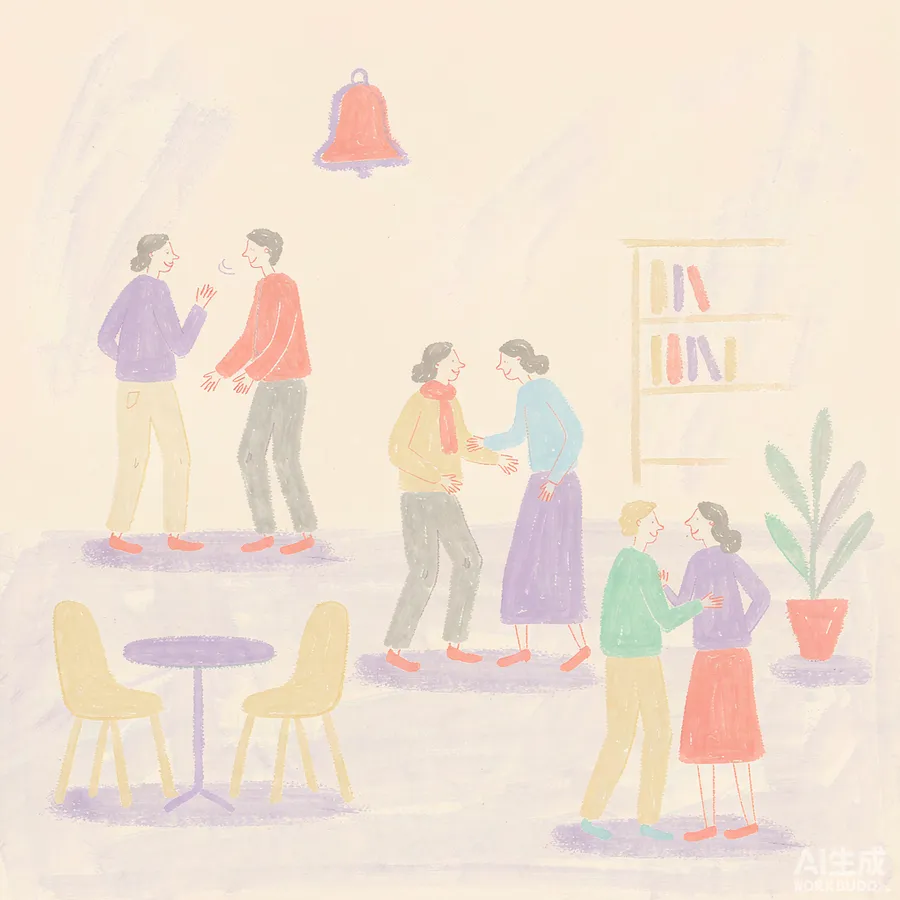
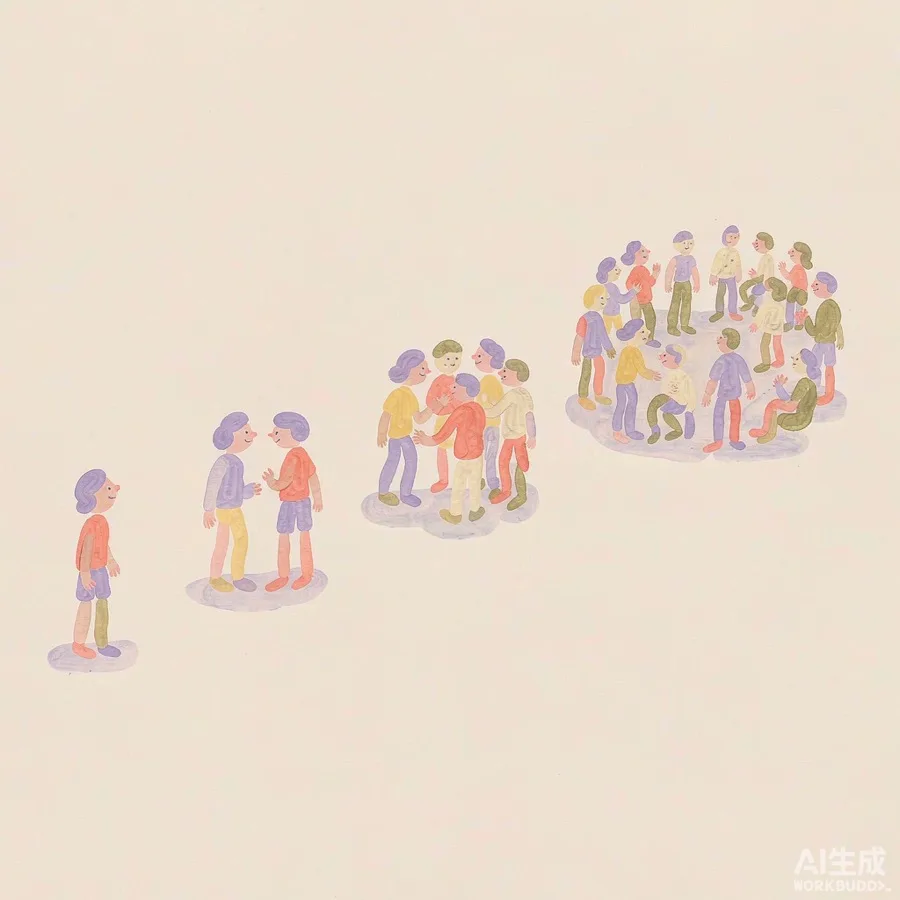
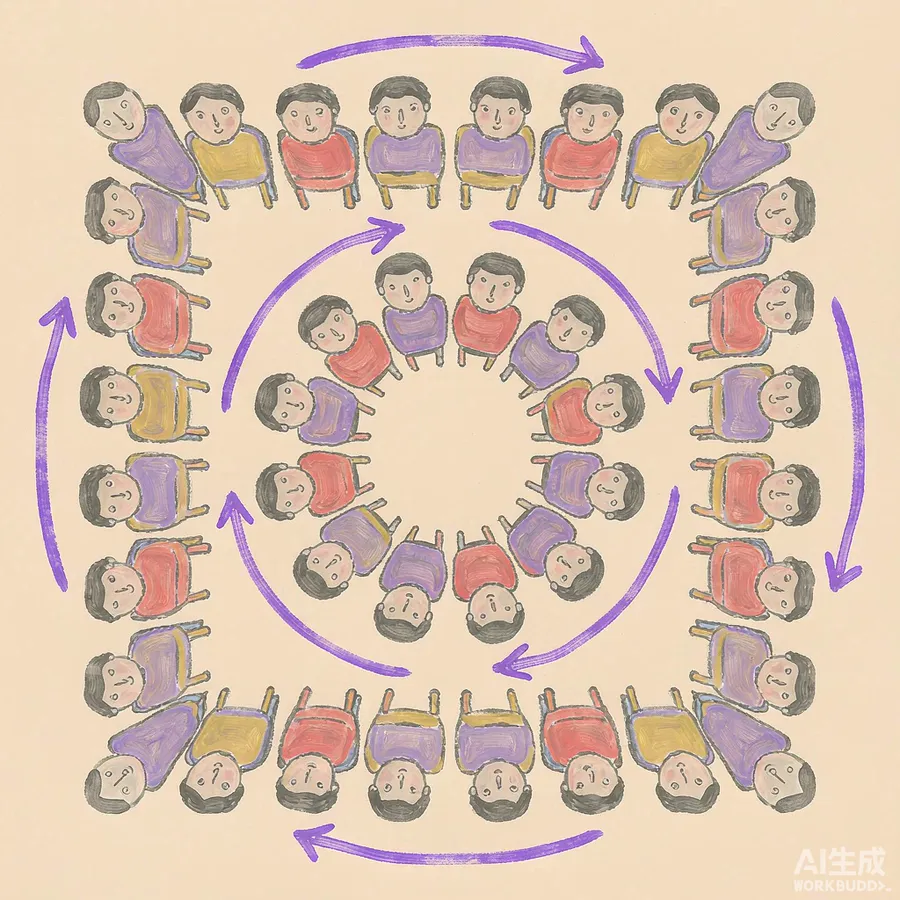
Two concentric circles, two minutes per pair, rotate. Everyone talks to five or six people about one question in the time a single plenary would take to warm up.
Time
30 min
Group
any
Output
A wide spread of perspectives
Move
Understand
Run sheet
How to run it
4 steps · 30 min
- 01
Form two circles one inside the other
- 02
Pose the question
- 03
Talk for two minutes
- 04
Rotate and repeat with a new partner
Say this
Lines you can read out as they are — no improvising under pressure.
“What is the one thing you would change?”
“What do you know about this that others here do not?”
“What would you want to ask the next person?”
Set up
Before they walk in
- □Two concentric circles of chairs, equal numbers
- □One question, visible on the wall
- □A visible timer and a clear rotation direction
What to watch for
Signals and traps
It is working when
- the third round produces sharper answers than the first
It usually fails when
- the first pair talks for ten minutes
- a new question every round, so nothing accumulates
If it stalls, or the room is the wrong size
Variations
Three rounds then one plenary harvest
Rotate the inner circle only and keep one constant
Use it to open a large workshop
Background
Where it comes from
From Liberating Structures, structurally close to speed networking and world café. The rotation is the mechanism: nobody can dominate, and repetition makes each person's answer sharper by the third round.
Cautions
When it does more harm than good
- Two minutes, timed visibly, or the first pair talks for ten
- One question for the whole round
- Collect the patterns between rounds rather than at the end
When to use
Reach for it when…
A large group needs to talk
Time is short
Source
Lipmanowicz, H., & McCandless, K. (2013). The Surprising Power of Liberating Structures.
Source phase: My methods (Kumar). Steps and the run sheet are written for this library, not quoted from the source.