1-2-4-All
Scale participation from individual to whole group in four steps.
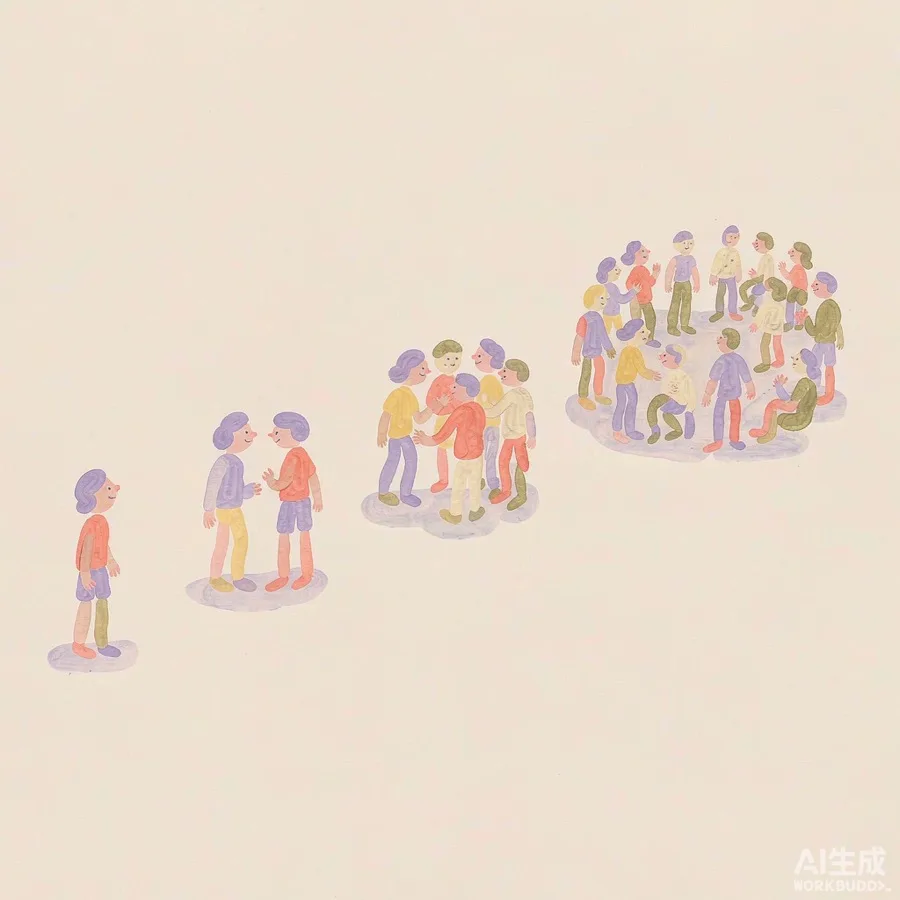
One minute alone, two in pairs, four in fours, then the whole group. Every person speaks before any group has a position.
Time
20-40 min
Group
any
Output
Ideas owned by everyone
Move
Diverge
Run sheet
How to run it
4 steps · 20-40 min
- 01
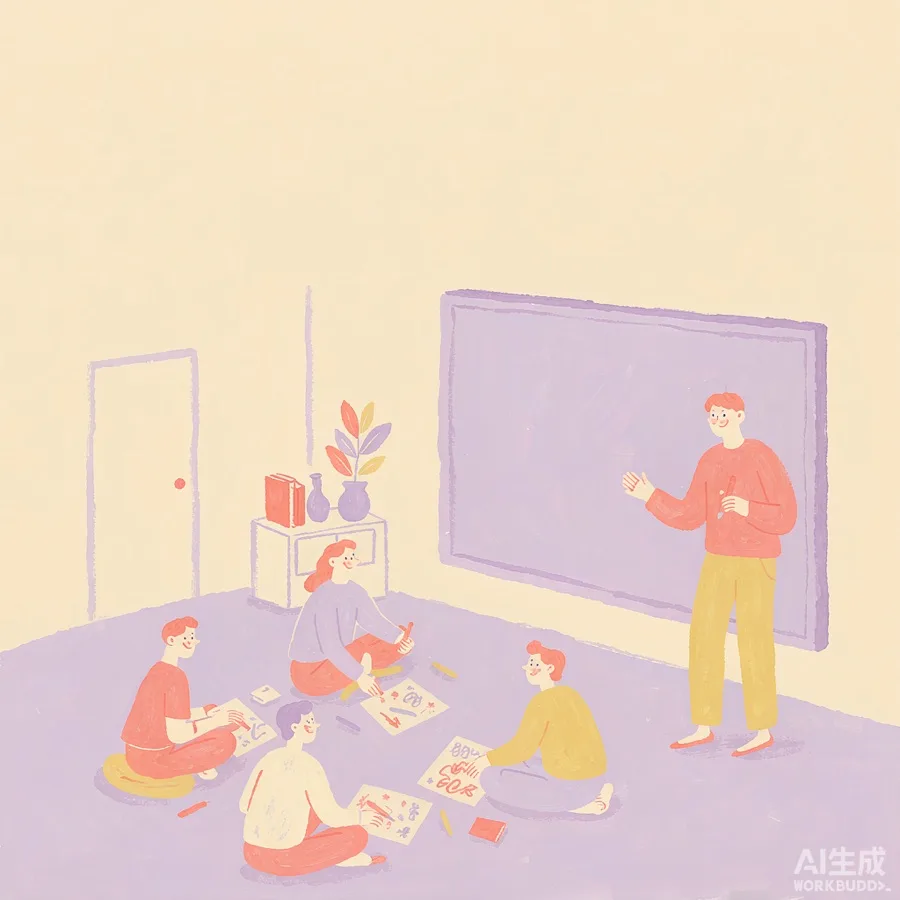
Everyone reflects alone for one minute
- 02
Pairs discuss for two minutes
- 03
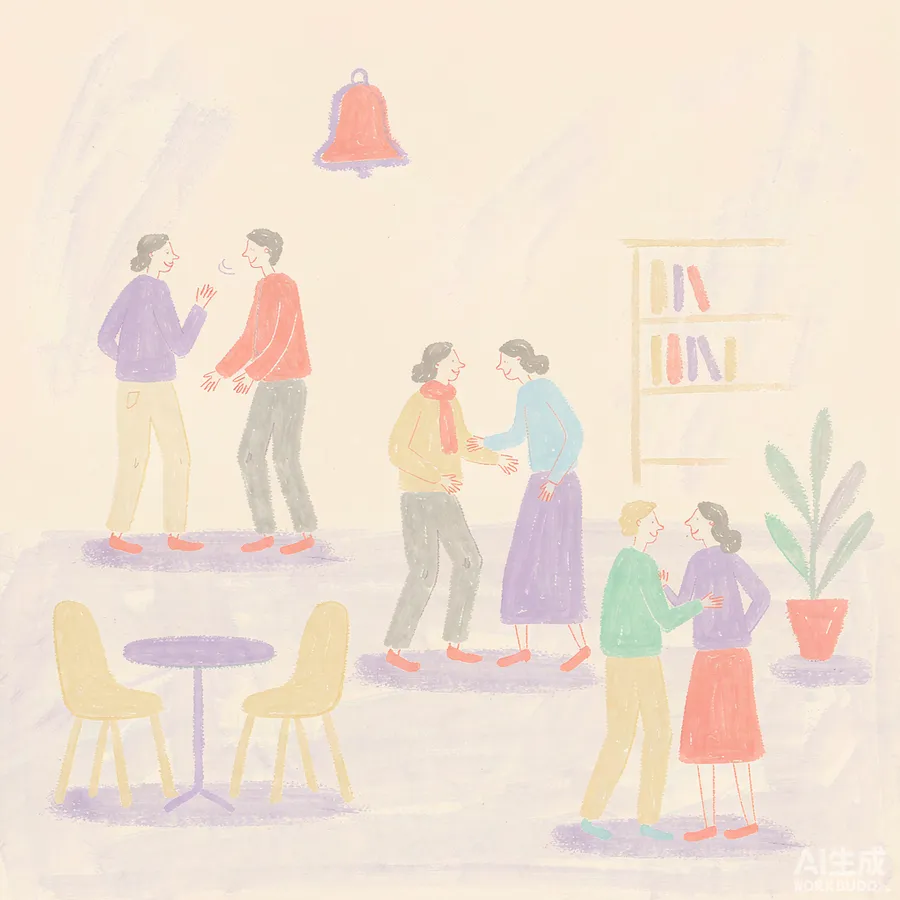
Fours consolidate for four minutes
- 04
The whole group shares the strongest ideas
Say this
Lines you can read out as they are — no improvising under pressure.
“One minute alone: write your own answer before you speak”
“Two minutes in pairs: what did you both have that the others did not?”
“In fours, agree the one idea worth bringing to the room”
Set up
Before they walk in
- □One question written and visible to everyone
- □Space for pairs to talk without overhearing the next pair
- □A bell or a voice to move the rounds along
What to watch for
Signals and traps
It is working when
- the plenary starts with ideas that were not in the room five minutes ago
It usually fails when
- the silent minute gets skipped and the loudest voice sets the frame
- groups of four report four ideas instead of one
If it stalls, or the room is the wrong size
Variations
1-2-All for very small rooms
Repeat the cycle on a second question
Use it to open a session where seniority would otherwise dominate
Background
Where it comes from
From Liberating Structures. The sequence is a ladder of increasing social risk: ideas form privately, are tested with one person, then offered to a group that already contains allies.
Cautions
When it does more harm than good
- Keep the timings or the format collapses into a normal discussion
- No reporting out from pairs — go straight to fours
- The plenary listens for patterns, not for every idea
When to use
Reach for it when…
A few voices dominate
You need broad input fast
Source
Lipmanowicz, H., & McCandless, K. (2013). The Surprising Power of Liberating Structures.
Source phase: My methods (Kumar). Steps and the run sheet are written for this library, not quoted from the source.