Impromptu Networking
Connect a group fast around a shared question.
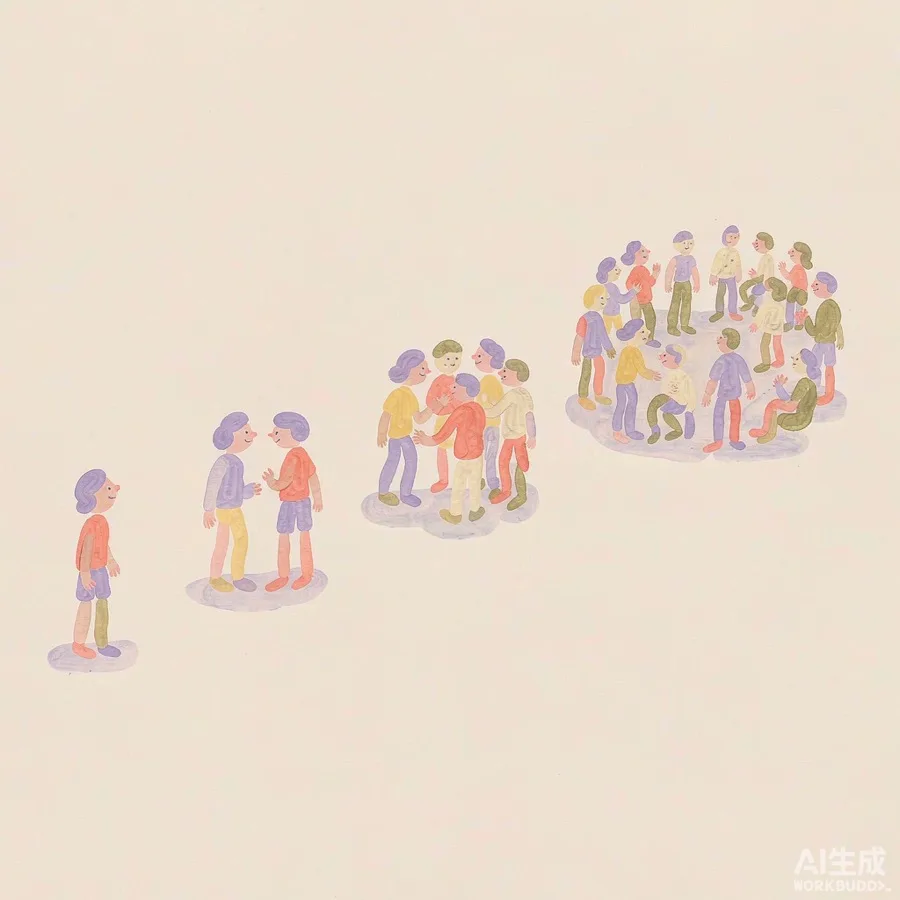
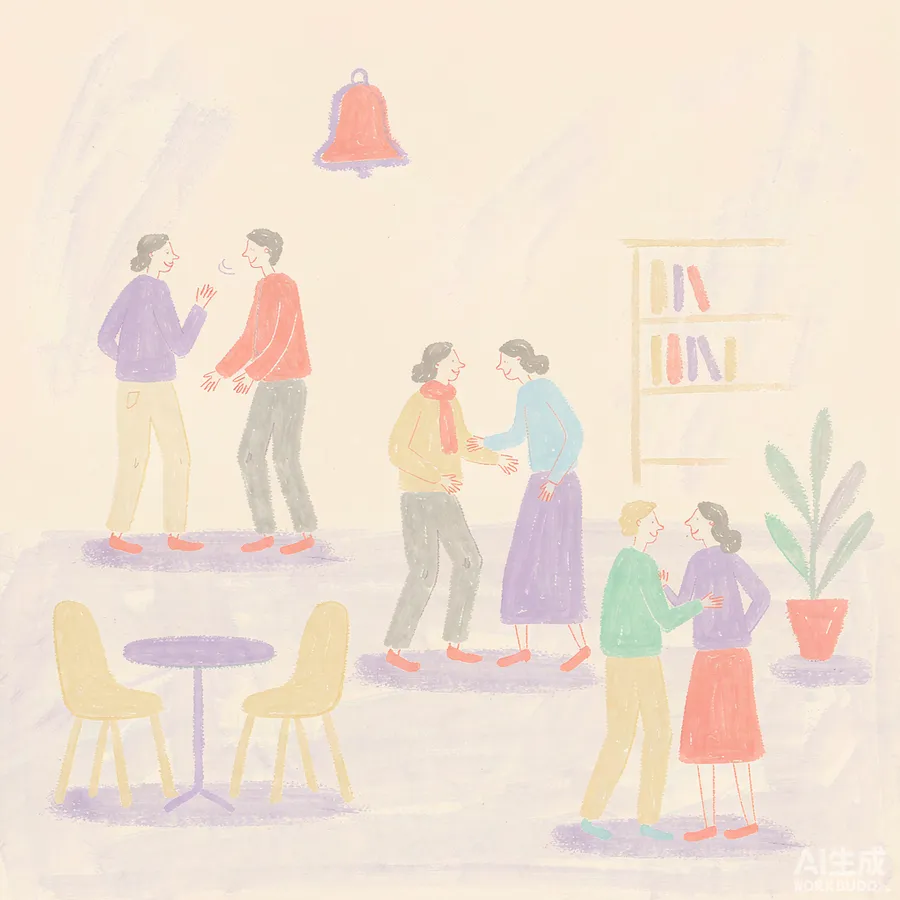
Everyone gets two minutes with one other person to answer a single question, then moves on. It replaces the round of introductions and gives the room real content before the first slide.
Time
20-30 min
Group
any
Output
Shared energy and unexpected connections
Move
Understand
Run sheet
How to run it
4 steps · 20-30 min
- 01
Pose one question that matters
- 02
Pair up and talk for two minutes each
- 03
Rotate to a new partner
- 04
Repeat two or three rounds
Say this
Lines you can read out as they are — no improvising under pressure.
“You have two minutes each: answer the question, then swap”
“When you hear the bell, find someone you have not spoken to yet”
“What did you hear that you want to follow up on later?”
Set up
Before they walk in
- □A single question written where everyone can see it
- □Space for pairs to stand apart
- □A bell or a voice to call the change
What to watch for
Signals and traps
It is working when
- the room is loud within thirty seconds
It usually fails when
- the question is too abstract, so people introduce themselves instead
- pairs stay together through the bell
If it stalls, or the room is the wrong size
Variations
Three rounds of two minutes rather than five
Online with paired breakout rooms and a shared timer
Ask a question that connects directly to the day's topic
Background
Where it comes from
From Liberating Structures, built on the observation that the first person to speak sets the tone for everyone after them. Rapid one-to-one exchanges make every participant a contributor before any hierarchy has had time to settle.
Cautions
When it does more harm than good
- Useless if people already work together daily — use it only when the room is mixed
- The question must be specific and personal, or it becomes small talk
- Without a short debrief the connections evaporate by the next break
When to use
Reach for it when…
A group is gathering
You need commitment not just attendance
Source
Lipmanowicz, H., & McCandless, K. (2013). The Surprising Power of Liberating Structures.
Source phase: My methods (Kumar). Steps and the run sheet are written for this library, not quoted from the source.