Living Lab
Test the concept in a real-world setting over time.
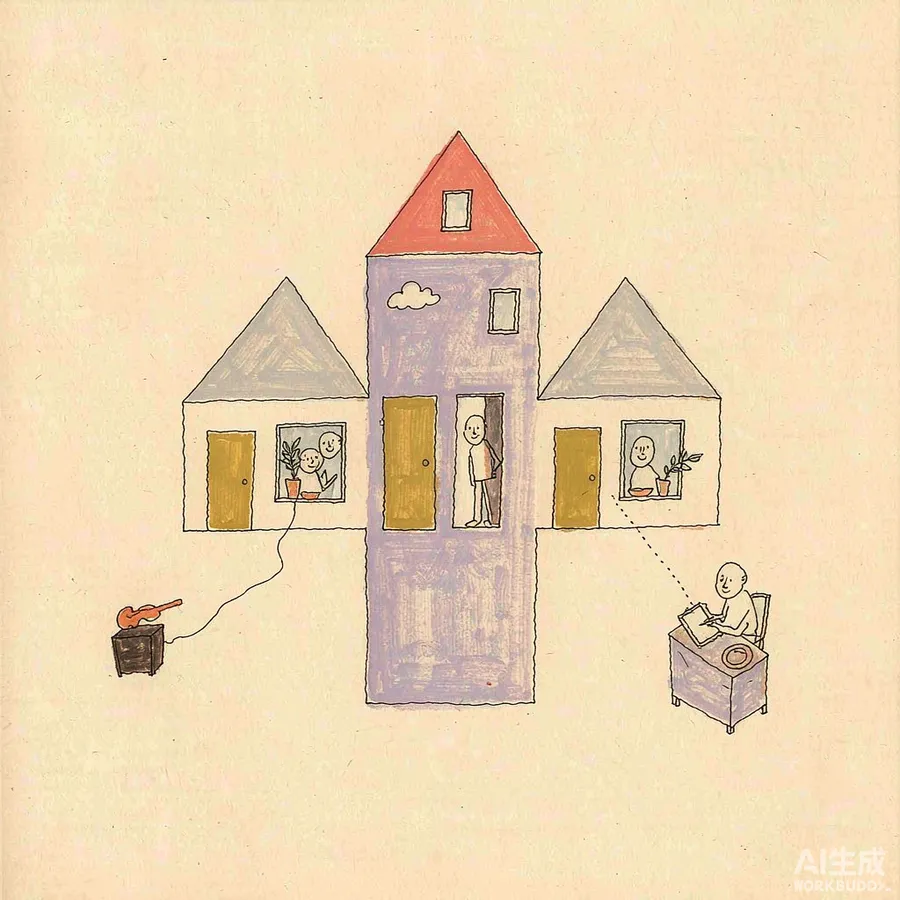
A real setting with real users, instrumented and run for long enough that the evidence comes from context rather than from a lab.
Time
months
Group
5-20
Output
In-context evidence
Move
Prototype
Run sheet
How to run it
4 steps · months
- 01
Set up the real-world testbed
- 02
Recruit the participants
- 03
Run it in context
- 04
Iterate on real evidence
Say this
Lines you can read out as they are — no improvising under pressure.
“What happens at the seams between organisations?”
“What did the lab fail to reproduce?”
“Who has to change their routine for this to work?”
Set up
Before they walk in
- □A real setting with real constraints
- □Participants recruited for the whole period
- □Instruments that capture context, not just clicks
What to watch for
Signals and traps
It is working when
- a failure appears that no lab test predicted
It usually fails when
- participants who are enthusiasts
- no plan for what happens after the testbed closes
If it stalls, or the room is the wrong size
Variations
Run it in one site for three months
Run two sites with different constraints
Include the staff who deliver it as participants
Background
Where it comes from
From Stickdorn and Schneider's This Is Service Design Thinking, and the European living-lab movement. The premise is that complex services fail in the seams between organisations, which a lab cannot reproduce.
Cautions
When it does more harm than good
- Recruit participants who stay for the whole period
- Instrument the context, not only the interface
- Plan what happens to the testbed afterwards
When to use
Reach for it when…
The service is complex
Lab results do not transfer
Source
Stickdorn, M., & Schneider, J. (2010). This Is Service Design Thinking. BIS Publishers.
Source phase: My methods (Kumar). Steps and the run sheet are written for this library, not quoted from the source.