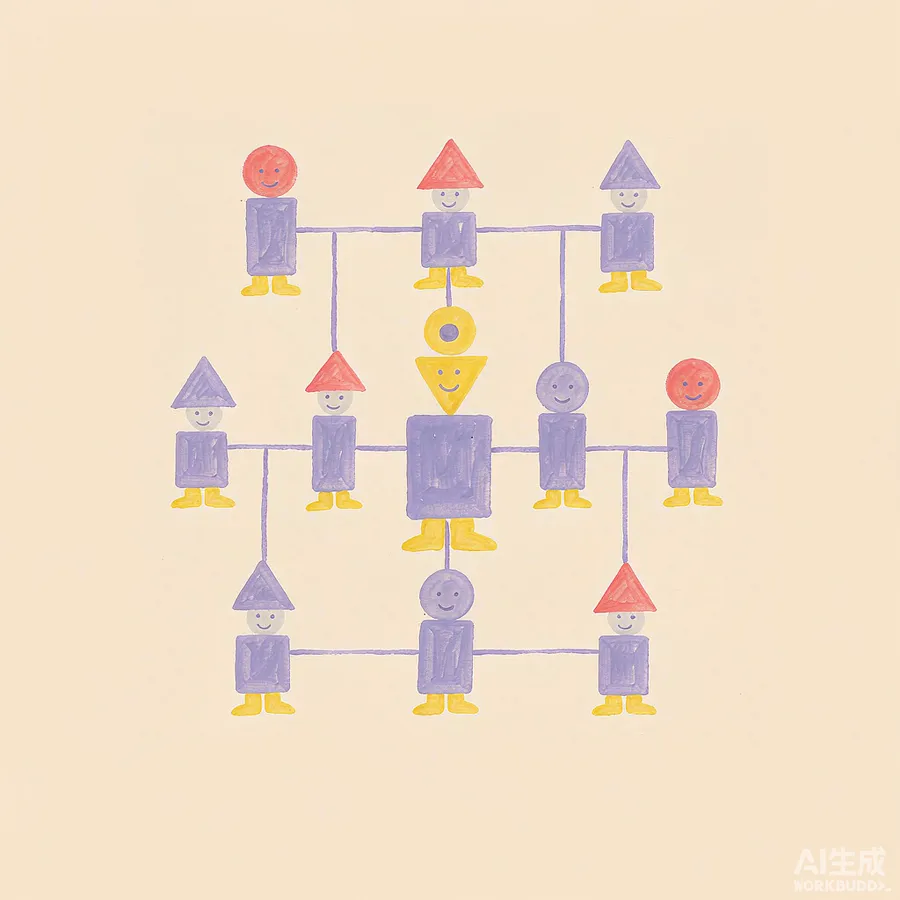
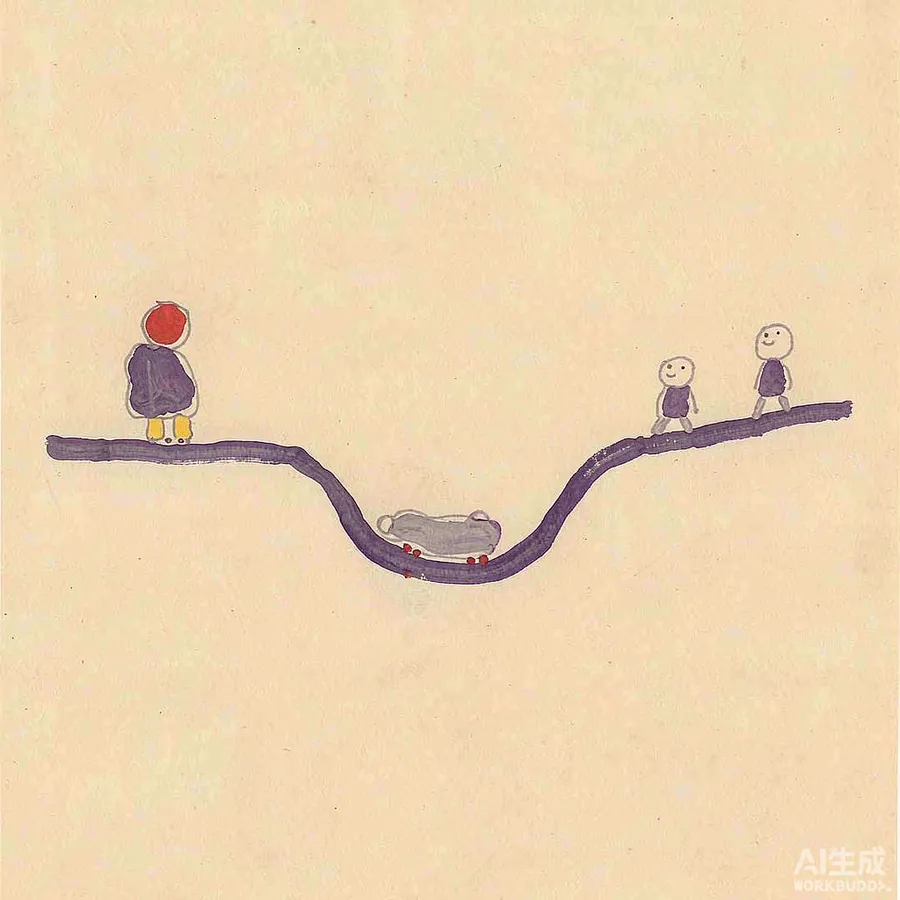
Change Curve and Stakeholder Alignment
Map readiness and support people through the transition.
Stakeholders mapped by readiness and resistance, with a different intervention for each group rather than one announcement for all.
Time
half day
Group
3-6
Output
A change and alignment plan
Move
Decide
Run sheet
How to run it
4 steps · half day
- 01
Map the stakeholders
- 02
Map their readiness and resistance
- 03
Tailor the interventions
- 04
Support the transition
Say this
Lines you can read out as they are — no improvising under pressure.
“What does this group lose if the change succeeds?”
“Who has already moved, and would they say so publicly?”
“What would make resistance rational rather than emotional?”
Set up
Before they walk in
- □Named stakeholders and groups, not functions
- □A readiness assessment per group
- □A different intervention for each
What to watch for
Signals and traps
It is working when
- a resistant group's objection turns out to be correct
It usually fails when
- one announcement for everyone
- resistance treated as a character flaw
If it stalls, or the room is the wrong size
Variations
Map only the five people who matter most
Interview one resister and one enthusiast
Run a separate session for those who lose status
Background
Where it comes from
Adapted from the grief curve associated with Elisabeth Kübler-Ross and widely used, and criticised, in change management. Its useful contribution is the recognition that resistance is a stage rather than a verdict, and that people move at different speeds.
Cautions
When it does more harm than good
- Map named people and groups, not abstract functions
- The resistant are usually the ones with something to lose
- Do not announce to the whole organisation what only three people need to hear first
When to use
Reach for it when…
Resistance is expected
A rollout depends on adoption
Source
Stellman, A., & Greene, J. (2014). Learning Agile. O'Reilly.
Source phase: My methods (Kumar). Steps and the run sheet are written for this library, not quoted from the source.