Organisation as Culture
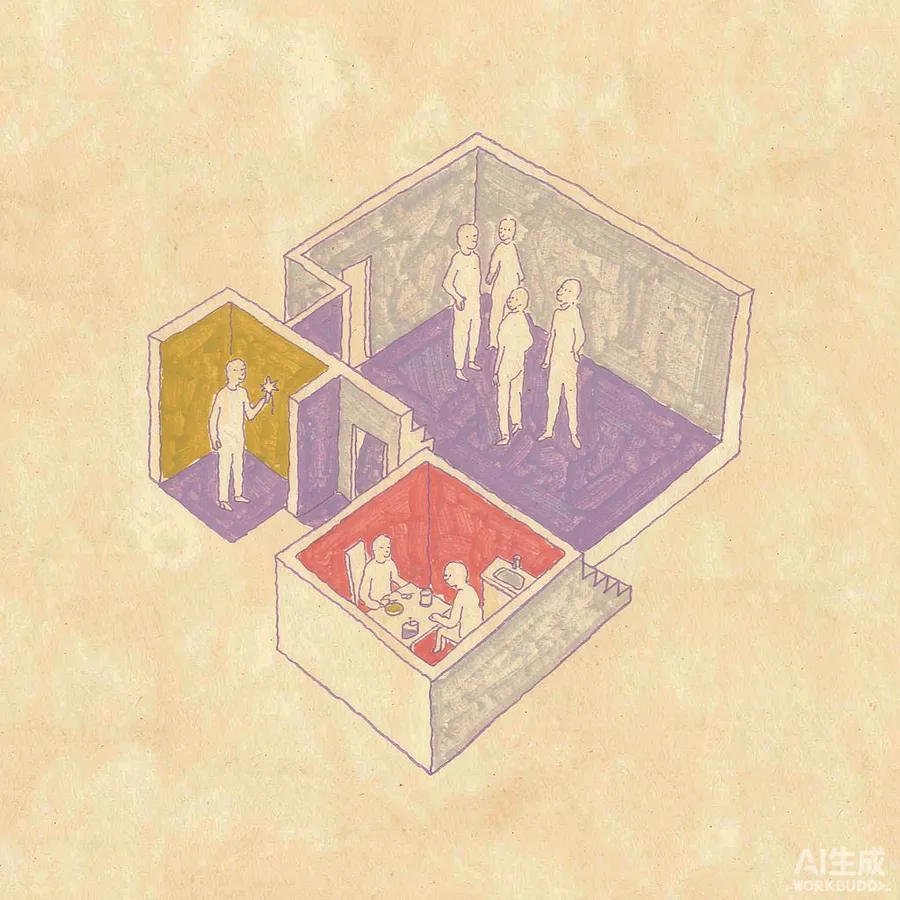
Read the organisation as a culture with rituals symbols and subcultures.
Read the organisation the way an anthropologist would: rituals, language, symbols and what behaviour actually gets rewarded. It predicts where delivery will meet resistance.
Time
half day
Group
3-6
Output
A cultural read of the organisation
Move
Understand
Run sheet
How to run it
4 steps · half day
- 01
Observe rituals symbols and language
- 02
Identify what behaviour is actually rewarded
- 03
Map the subcultures
- 04
Note where change will resist
Say this
Lines you can read out as they are — no improvising under pressure.
“What does this organisation reward when nobody is measuring?”
“What stories do people tell about the last change that failed?”
“Which subculture will this project threaten?”
Set up
Before they walk in
- □Two days of access to the building, including informal time
- □Permission to sit in on a routine meeting
- □A notebook for language rather than judgements
What to watch for
Signals and traps
It is working when
- what people say in the corridor contradicts what was said in the room
It usually fails when
- reading the values poster as evidence of culture
- you are senior enough that people perform for you
If it stalls, or the room is the wrong size
Variations
Ask three people to describe the last failed project
Map who eats lunch with whom
Compare a new joiner's account with a twenty-year veteran's
Background
Where it comes from
From Kumar's 101 Design Methods, drawing on organisational-culture research that goes back to Deal and Kennedy. The premise is that stated values and operative values diverge, and that the operative ones are visible in what people do when nobody is measuring.
Cautions
When it does more harm than good
- Spend time in corridors and kitchens, not only in workshops — culture lives between meetings
- Write it up as a read of the system, never as a judgement of individuals
- If you are senior, people will perform the culture for you, so triangulate with someone junior
When to use
Reach for it when…
Delivery will depend on culture
Resistance is expected
Source
Kumar, V. (2012). 101 Design Methods: A Structured Approach for Driving Innovation in Your Organization. John Wiley & Sons.
Source phase: Preparation (Kumar). Steps and the run sheet are written for this library, not quoted from the source.