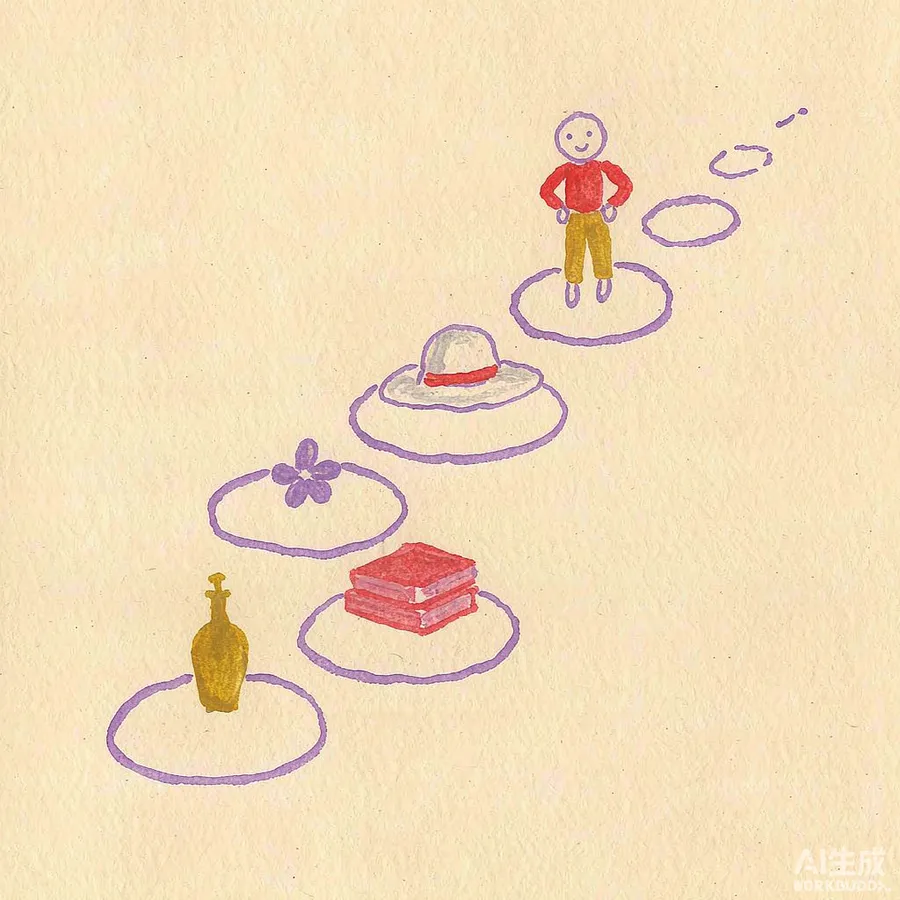
Dark Side / Future Backwards
Imagine failure and work backwards to causes and countermeasures.
The group walks forward to a future in which the project failed, then works backwards to name what caused it. It surfaces the risks that a positive vision exercise keeps hidden.
Time
90 min
Group
4-8
Output
Failure scenarios and countermeasures
Move
Diverge
Run sheet
How to run it
4 steps · 90 min
- 01
Describe the worst plausible outcome
- 02
Work backwards to its causes
- 03
Identify the early signals
- 04
Design countermeasures
Say this
Lines you can read out as they are — no improvising under pressure.
“It is a year from now and this failed. What happened first?”
“Which of these causes are already visible today?”
“Which two will we actively manage?”
Set up
Before they walk in
- □A timeline from today to twelve months out
- □A written statement that the project has failed
- □A room willing to name its doubts
What to watch for
Signals and traps
It is working when
- the first cause named is usually the real one
It usually fails when
- the exercise slides into fatalism
- risks get listed but never owned
If it stalls, or the room is the wrong size
Variations
Run the positive version afterwards for balance
Collect failure causes anonymously in writing first
Turn the top two into a standing agenda item
Background
Where it comes from
A foresight technique combining future-backwards planning with a deliberate negative frame. Imagining failure is easier than imagining success, and it produces specific, manageable risks instead of general optimism.
Cautions
When it does more harm than good
- Only run it with a team that has enough safety to admit doubt
- Do not let the failure story become prophecy — end with the two risks you will actually manage
- An hour is enough, after that it turns into theatre
When to use
Reach for it when…
The plan feels optimistic
You are running a risk review
Source
Kumar, V. (2012). 101 Design Methods: A Structured Approach for Driving Innovation in Your Organization. John Wiley & Sons.
Source phase: Preparation (Kumar). Steps and the run sheet are written for this library, not quoted from the source.