Innovation Evolution Map
Map how innovations in a domain evolved to anticipate the next move.
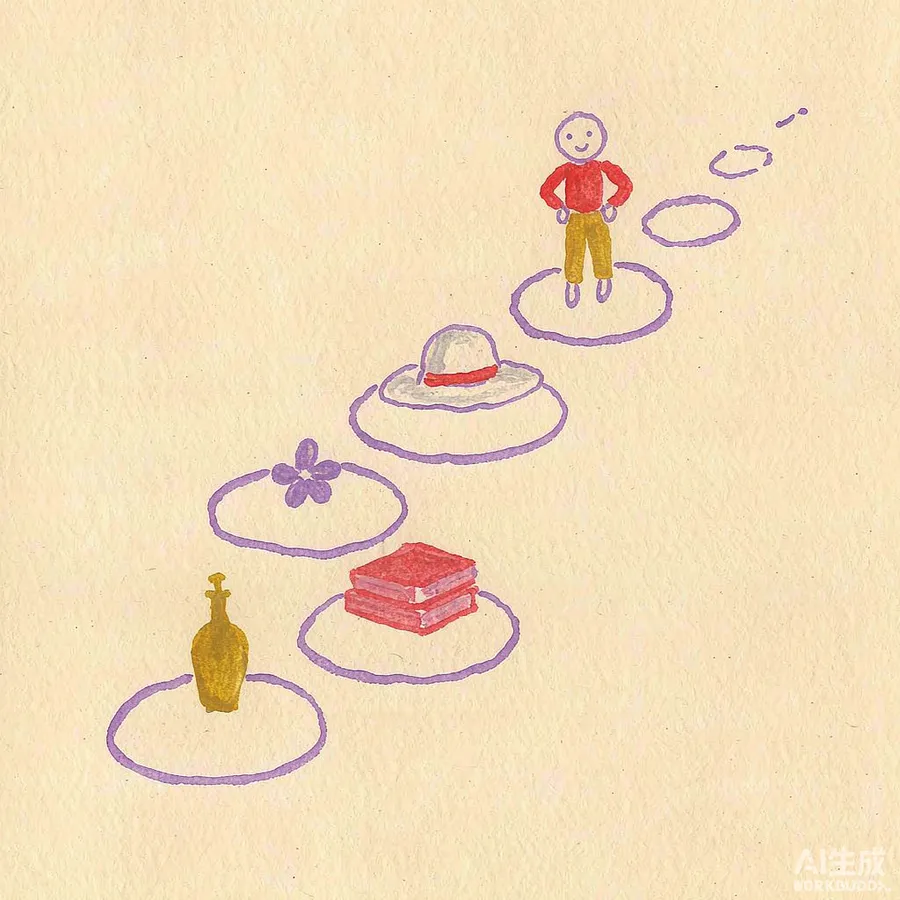
Put a domain's innovations on a timeline and read the pattern: what each step made possible and what it made obsolete. The map ends with a small number of next-move hypotheses.
Time
half day
Group
2-4
Output
An evolution map with next-move hypotheses
Move
Synthesize
Run sheet
How to run it
4 steps · half day
- 01
List past innovations in chronological order
- 02
Note the enablers and constraints at each step
- 03
Identify the pattern
- 04
Project the next plausible moves
Say this
Lines you can read out as they are — no improvising under pressure.
“What did this step make possible that was not possible before?”
“What did it make obsolete, and who noticed?”
“What is cheap now that was expensive five years ago?”
Set up
Before they walk in
- □A long horizontal timeline with room to the right of today
- □One card per innovation with its year and its enabling condition
- □Someone who has worked in the domain for fifteen years
What to watch for
Signals and traps
It is working when
- the pattern predicts a move nobody in the room had considered
It usually fails when
- the timeline stops at your own product
- the projection is a wish rather than a hypothesis
If it stalls, or the room is the wrong size
Variations
Do the same map for an adjacent industry and overlay them
Ask the veteran to mark the moments everyone else forgot
Write three projections and the evidence that would separate them
Background
Where it comes from
From Kumar's 101 Design Methods, echoing the evolutionary account of technical change associated with Brian Arthur. Innovations rarely arrive at random — they follow the affordances opened by the previous step, which is why the sequence teaches more than any single case.
Cautions
When it does more harm than good
- Map what became possible, not only what was launched
- A timeline that flatters your own product is a pitch rather than a map
- Make the projection falsifiable by writing down what would have to be true
When to use
Reach for it when…
A strategy offsite
You need historical perspective
Source
Kumar, V. (2012). 101 Design Methods: A Structured Approach for Driving Innovation in Your Organization. John Wiley & Sons.
Source phase: Preparation (Kumar). Steps and the run sheet are written for this library, not quoted from the source.