Territory Mapping
Map the landscape of offers into named territories to see where to play.
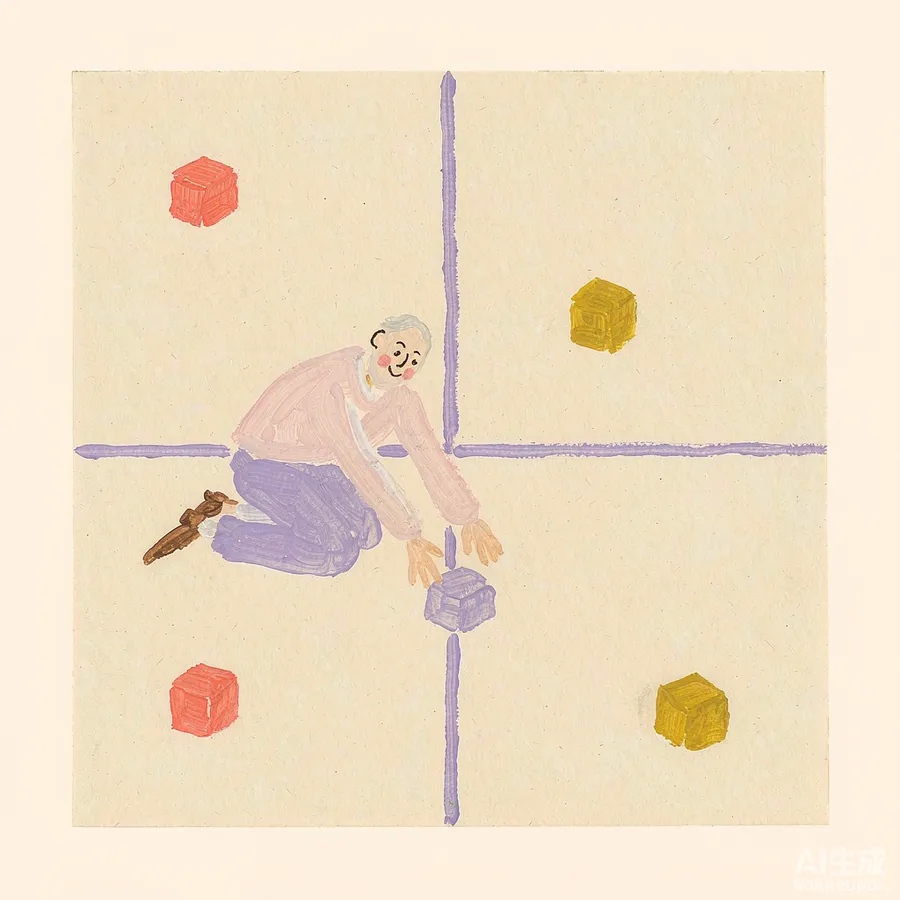
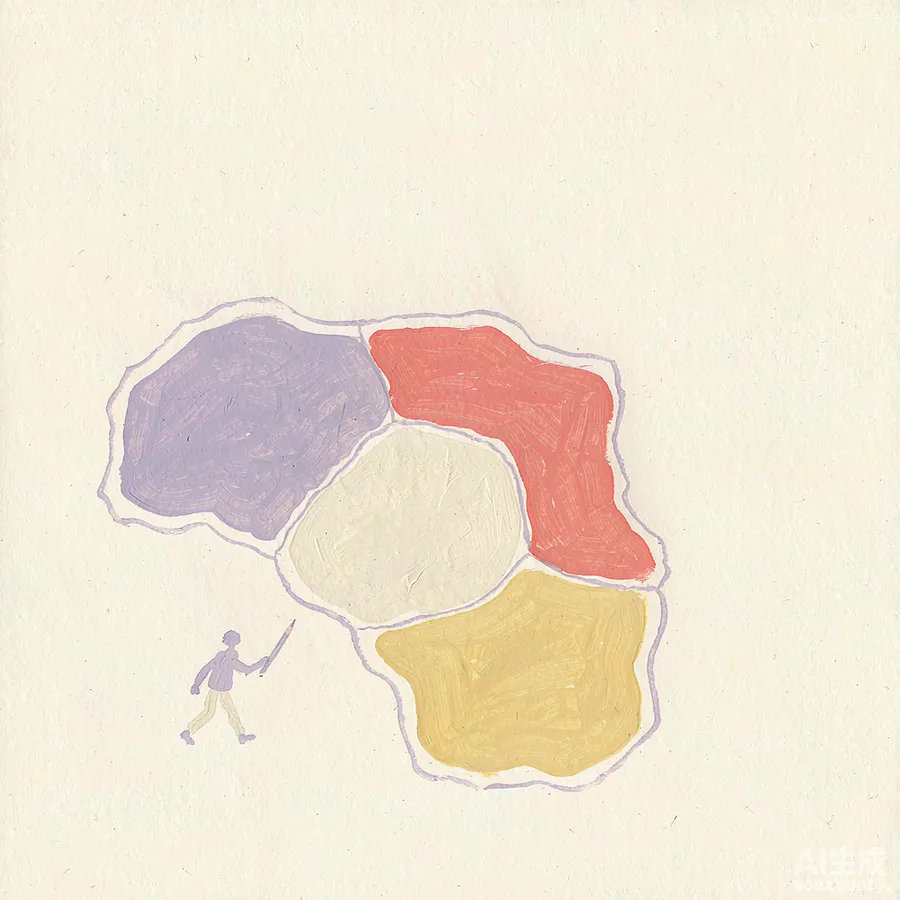
The problem space is drawn as territories — clusters of related needs or activities — and the team marks where it has evidence, where it is guessing and where it has never looked.
Time
3-4 hours
Group
3-6
Output
A territory map with named spaces
Move
Synthesize
Run sheet
How to run it
4 steps · 3-4 hours
- 01
List the offers and players in the space
- 02
Define axes that matter to users
- 03
Plot and name the clusters as territories
- 04
Identify the white space
Say this
Lines you can read out as they are — no improvising under pressure.
“What are the territories here, in the user's language?”
“Where do we have evidence, and where are we guessing?”
“Which territory have we never looked at?”
Set up
Before they walk in
- □A large blank sheet and markers
- □Existing research on the table
- □Three colours for known, assumed and unknown
What to watch for
Signals and traps
It is working when
- large blank areas appear and someone is surprised
It usually fails when
- the map is fully coloured in, which means it is a drawing of assumptions
- territories are named after internal departments
If it stalls, or the room is the wrong size
Variations
Redraw after fieldwork and compare the two
Ask a user to draw their own version
Mark one territory to explore next
Background
Where it comes from
From Kumar's 101 Design Methods. Mapping before choosing exposes the fact that most teams research the territory they already know, leaving the rest of the map blank by default.
Cautions
When it does more harm than good
- A map with no blank areas means you drew your assumptions, not the space
- Name the evidence behind every mark
- Redraw it after exploration instead of treating it as fixed
When to use
Reach for it when…
Positioning is unclear
You need to see where not to compete
Source
Kumar, V. (2012). 101 Design Methods: A Structured Approach for Driving Innovation in Your Organization. John Wiley & Sons.
Source phase: Preparation (Kumar). Steps and the run sheet are written for this library, not quoted from the source.