Quad A Diagnostic
Read a user group quickly through activities ambitions anxieties and attitudes.
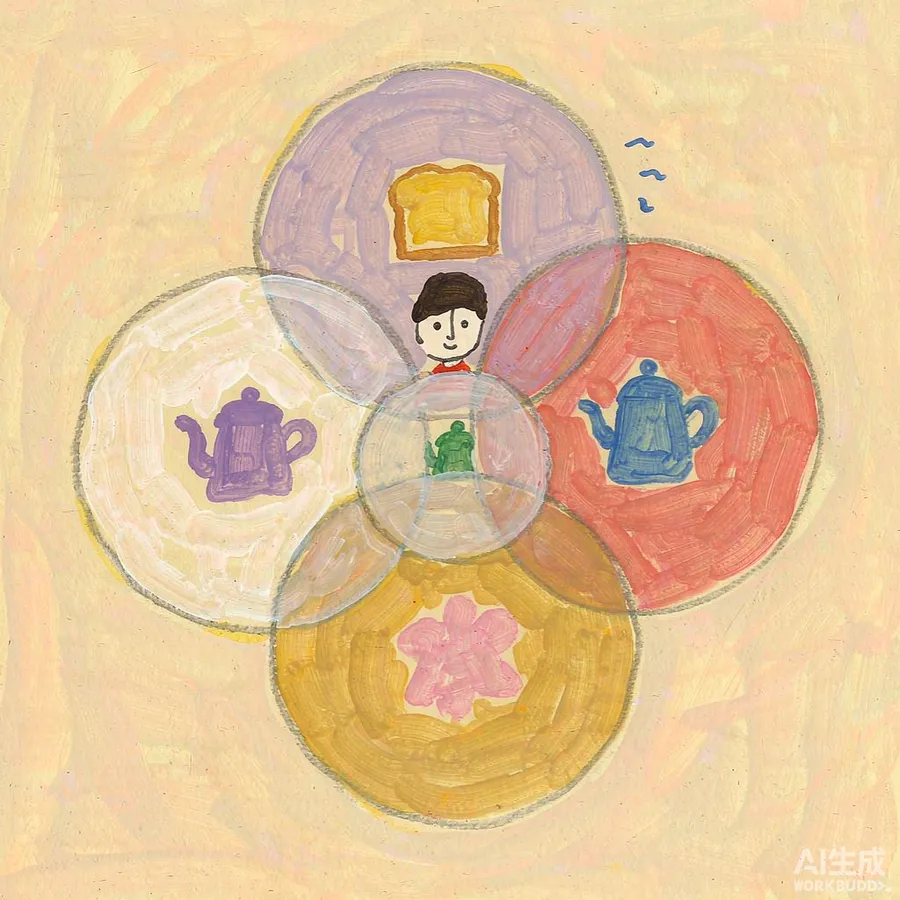
Four lenses — aspiration, ability, architecture, action — are used to diagnose why a change is or is not moving. Each lens gets a score and one line of evidence.

Time
90 min
Group
3-6
Output
A four-quadrant diagnostic per group
Move
Understand
Run sheet
How to run it
4 steps · 90 min
- 01
For one group list their activities
- 02
List their ambitions
- 03
List their anxieties
- 04
List their attitudes and look for contradictions
Say this
Lines you can read out as they are — no improvising under pressure.
“What is the aspiration, in the team's own words?”
“Do they have the ability — skills, time, mandate?”
“Does the architecture help them or fight them?”
Set up
Before they walk in
- □The four lenses on one sheet: aspiration, ability, architecture, action
- □Scores from one to five with one line of evidence each
- □People from at least two organisational levels
What to watch for
Signals and traps
It is working when
- the four scores differ sharply and the gap explains the stall
It usually fails when
- all four scores are average, which means nobody looked
- the diagnosis quietly blames motivation
If it stalls, or the room is the wrong size
Variations
Score individually, then compare
Repeat after three months to see movement
Start the plan from the lowest lens
Background
Where it comes from
A consulting diagnostic that assumes change stalls for structural reasons far more often than motivational ones. Scoring four separate lenses blocks the usual shortcut of blaming the people.
Cautions
When it does more harm than good
- Score with evidence, not impression, or it confirms what the sponsor already believed
- Do not average the four scores — the gaps between them are the finding
- Include people from more than one level in the room
When to use
Reach for it when…
You need a fast holistic read of a group
Before interviews
Source
Kumar, V. (2012). 101 Design Methods: A Structured Approach for Driving Innovation in Your Organization. John Wiley & Sons.
Source phase: Preparation (Kumar). Steps and the run sheet are written for this library, not quoted from the source.