User Persona Definition
Create archetypal users the team can design for and remember.
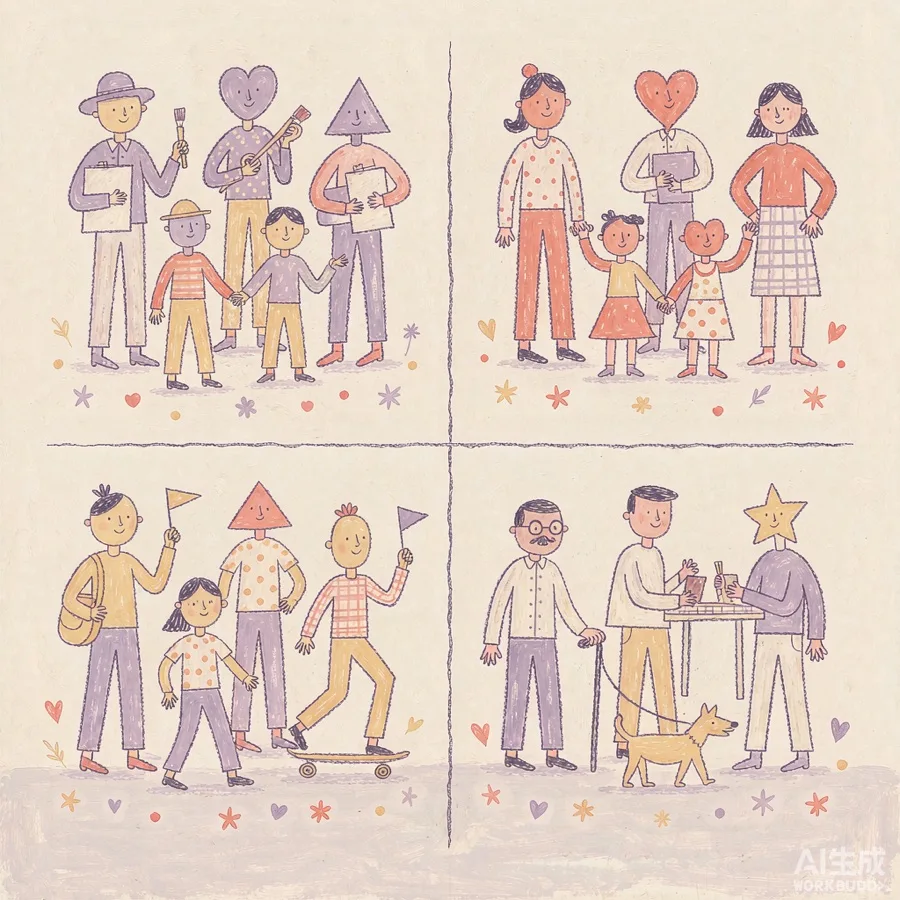
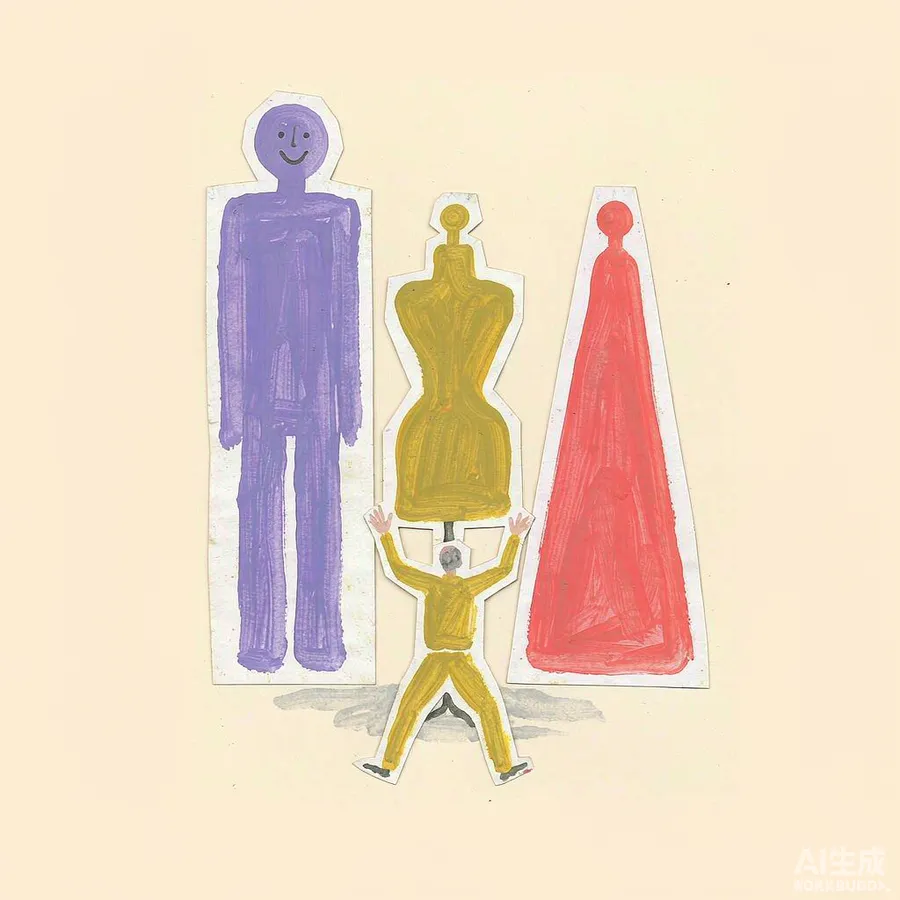
Behavioural archetypes built from the research, named and given goals, frustrations and context. They are a compression device for a team that cannot hold forty interviews in mind.
Time
3 hours
Group
3-6
Output
Three to five personas
Move
Synthesize
Run sheet
How to run it
4 steps · 3 hours
- 01
Cluster the research by behaviour
- 02
Name the archetypes
- 03
Add goals frustrations and context
- 04
Validate the personas with the team
Say this
Lines you can read out as they are — no improvising under pressure.
“What distinguishes this person's behaviour from the next one's?”
“What are they trying to get done?”
“Which persona would hate this idea?”
Set up
Before they walk in
- □Coded research on the table, not summaries
- □A behavioural clustering done in the room
- □A one-page template per persona
What to watch for
Signals and traps
It is working when
- a persona is uncomfortable for the team because it contradicts the plan
It usually fails when
- demographic detail with no behavioural difference
- five personas nobody can remember
If it stalls, or the room is the wrong size
Variations
Build one persona only, the hardest to serve
Write the persona as a day in their life
Test it by asking the team to predict its reaction
Background
Where it comes from
From Kumar's 101 Design Methods. Personas are only as good as the clustering behind them, which is why criticism of persona work usually lands on invented detail rather than on invented categories.
Cautions
When it does more harm than good
- Build personas from behaviour, not from demographics
- No detail you cannot source
- Three personas that conflict are more useful than five that agree
When to use
Reach for it when…
The team needs a shared user reference
You are moving into design
Source
Kumar, V. (2012). 101 Design Methods: A Structured Approach for Driving Innovation in Your Organization. John Wiley & Sons.
Source phase: Analysis (Kumar). Steps and the run sheet are written for this library, not quoted from the source.