Heard, Seen, Respected
Build empathy by telling a story of not being heard.
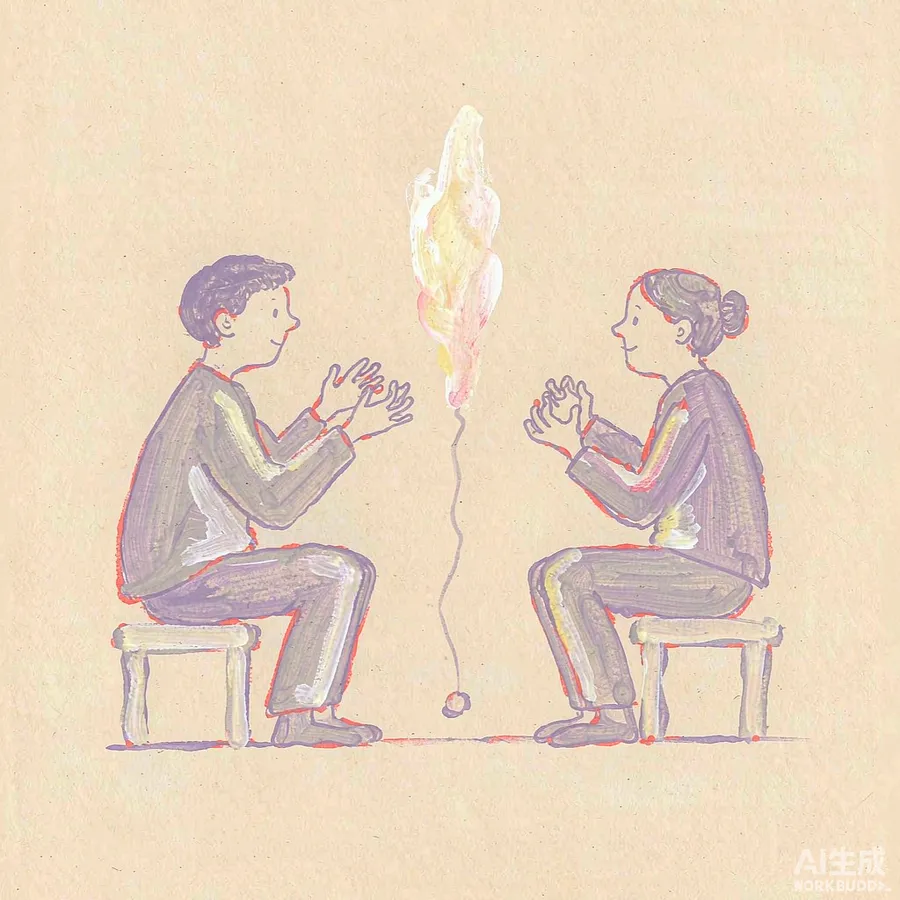
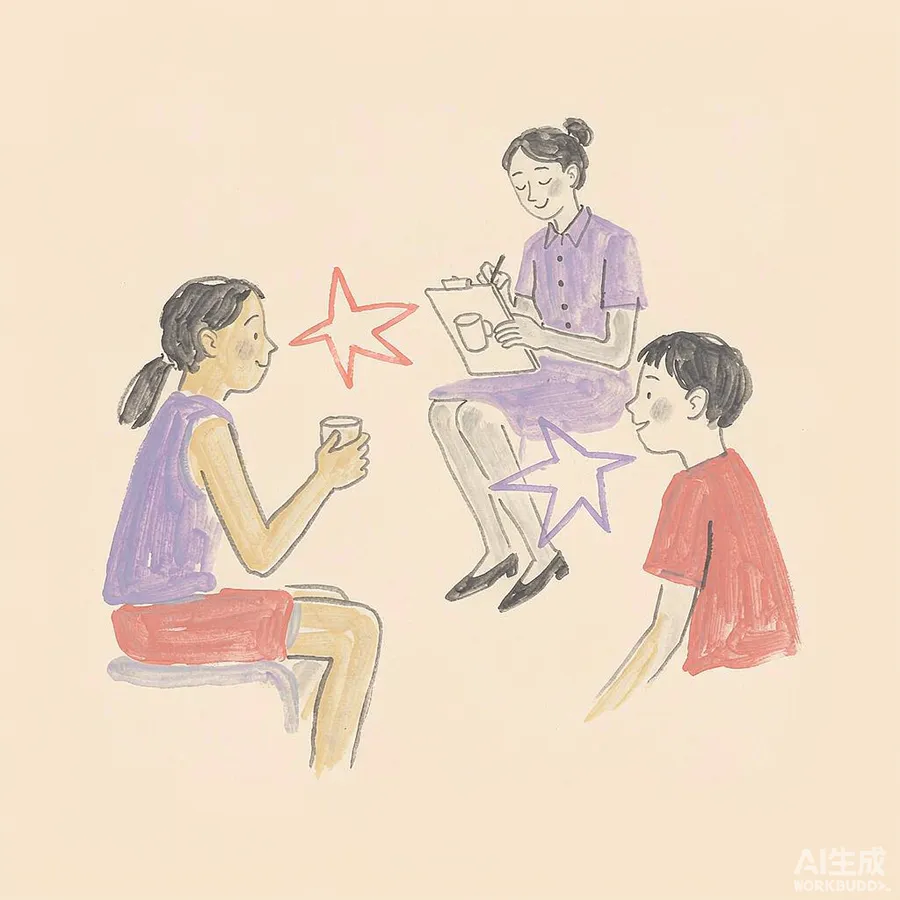
Each person tells a short story of a time they were not heard, and a listener reflects it back before the roles rotate. It is the fastest way to change how a group listens to itself.
Time
45-60 min
Group
4-12
Output
Shared empathy and norms
Move
Understand
Run sheet
How to run it
4 steps · 45-60 min
- 01
Tell a short story of a time you were not heard
- 02
Listeners reflect back what they heard
- 03
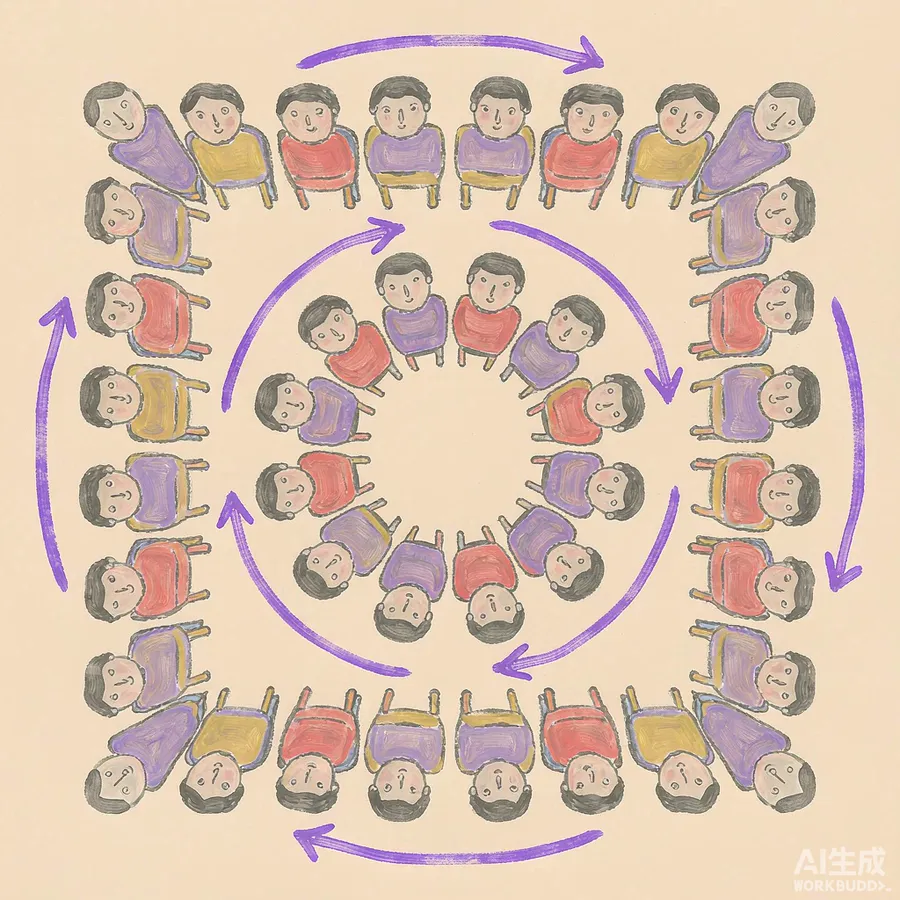
Rotate so everyone tells and listens
- 04
Name what the stories have in common
Say this
Lines you can read out as they are — no improvising under pressure.
“What happened, and what did you need?”
“Listener: what did you hear them say they needed?”
“Observer: what changed in the room when they were heard?”
Set up
Before they walk in
- □Groups of three: teller, listener, observer
- □A prompt about a time you were not heard
- □Three minutes each, timed
What to watch for
Signals and traps
It is working when
- someone says out loud what the team has been avoiding
It usually fails when
- advice instead of reflection
- the exercise runs long and becomes therapy
If it stalls, or the room is the wrong size
Variations
Run one round only and debrief for twenty minutes
Do it with a mixed hierarchy group
Turn the patterns into three team norms
Background
Where it comes from
From Liberating Structures, built on the observation that teams which talk past each other are usually defending against not being heard. The reflection step is the mechanism: being accurately repeated is what produces the shift.
Cautions
When it does more harm than good
- This is not a confession session, so keep the story short and about work
- The listener reflects, does not advise
- Name the shared pattern at the end or the group stays inside the stories
When to use
Reach for it when…
A team is talking past each other
Trust is low
Source
Lipmanowicz, H., & McCandless, K. (2013). The Surprising Power of Liberating Structures.
Source phase: My methods (Kumar). Steps and the run sheet are written for this library, not quoted from the source.