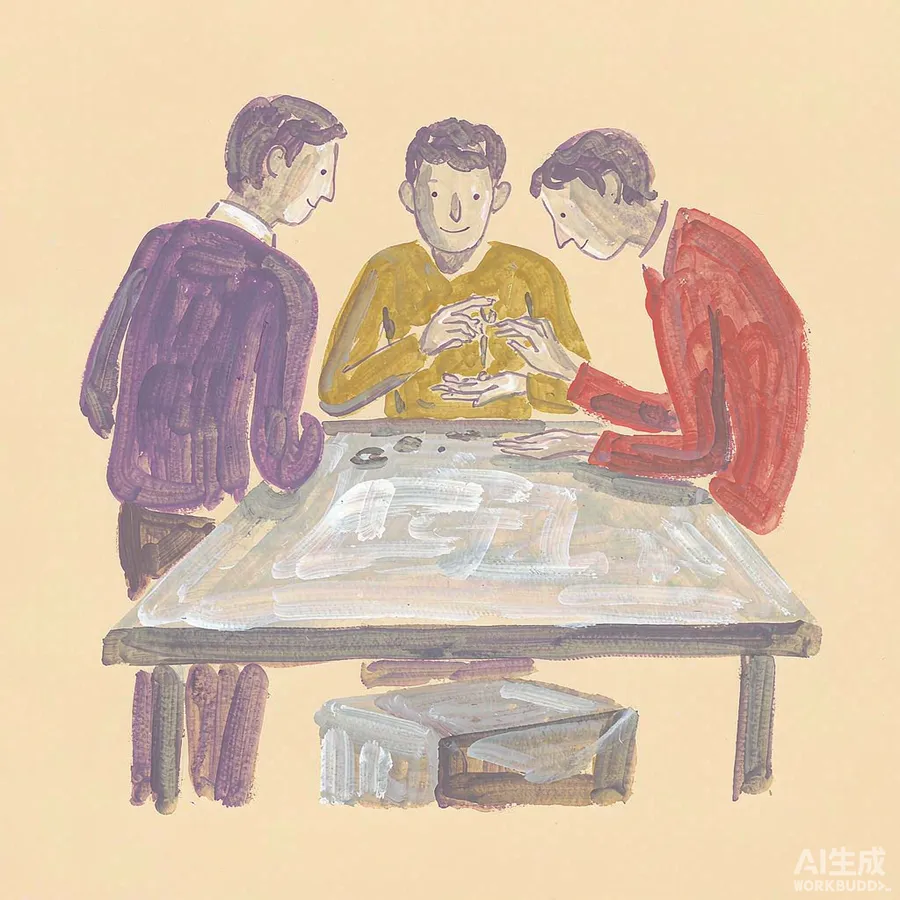
Appreciative Interviews
Find what already works by interviewing for success stories.
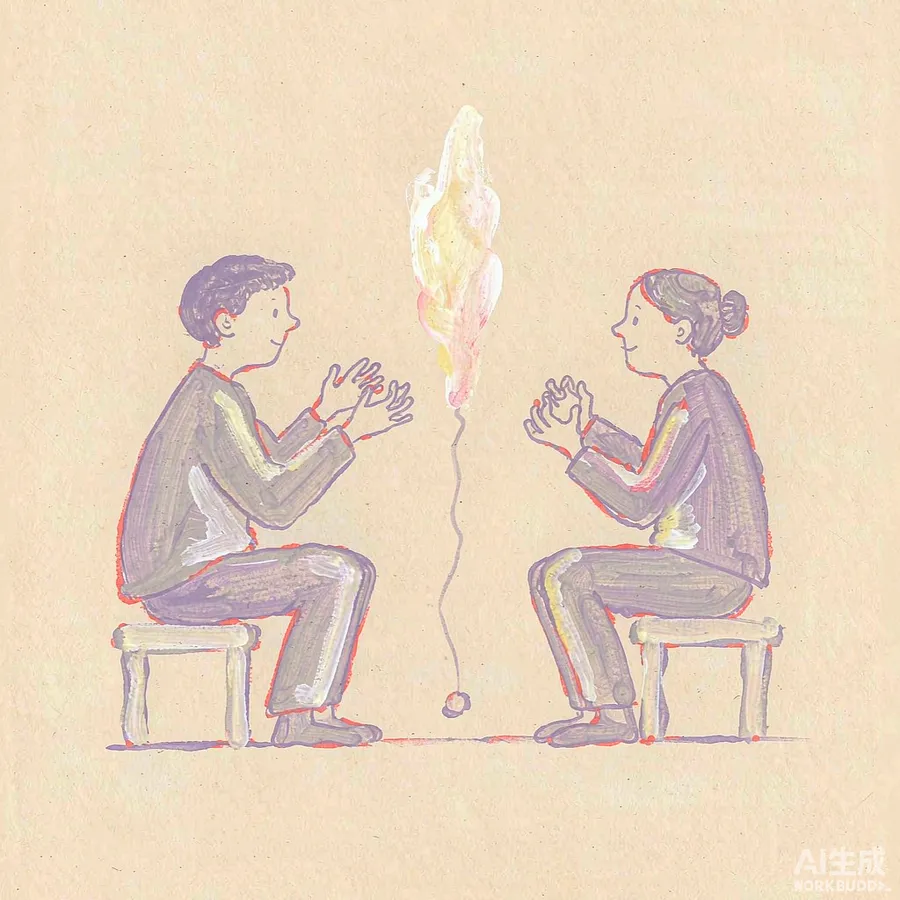
Pairs interview each other about a time something worked, then the room harvests the conditions that made it work. It shifts a group from inventorying problems to replicating what already succeeds.
Time
60-90 min
Group
any
Output
Success stories and enabling conditions
Move
Understand
Run sheet
How to run it
4 steps · 60-90 min
- 01
Pair up and choose a success story to tell
- 02
Interview each other for the details
- 03
Identify the conditions that made it work
- 04
Share the patterns with the group
Say this
Lines you can read out as they are — no improvising under pressure.
“What exactly happened, step by step?”
“What did you do that made it work?”
“Who else contributed, and how?”
Set up
Before they walk in
- □Pairs, ideally people who do not work together
- □A prompt about a time something worked well
- □A wall for harvesting conditions
What to watch for
Signals and traps
It is working when
- the same enabling condition appears in several stories
It usually fails when
- the story chosen for drama rather than replicability
- the harvest skipped because time ran out
If it stalls, or the room is the wrong size
Variations
Interview across departments
Interview a customer about a moment that worked
Turn the conditions into a checklist for the next project
Background
Where it comes from
From Liberating Structures, built on David Cooperrider's appreciative inquiry. The claim is not that problems do not exist but that groups already know how to succeed and rarely examine their successes closely enough to repeat them.
Cautions
When it does more harm than good
- Choose the story by the conditions, not by the drama
- Do not let it become a positivity exercise that avoids the failure
- Harvest the enabling conditions the same day or they evaporate
When to use
Reach for it when…
The group is focused on problems
You want to scale what works
Source
Lipmanowicz, H., & McCandless, K. (2013). The Surprising Power of Liberating Structures.
Source phase: My methods (Kumar). Steps and the run sheet are written for this library, not quoted from the source.