Users Experience Fishbowl
Let users talk while the team listens from the outer circle.
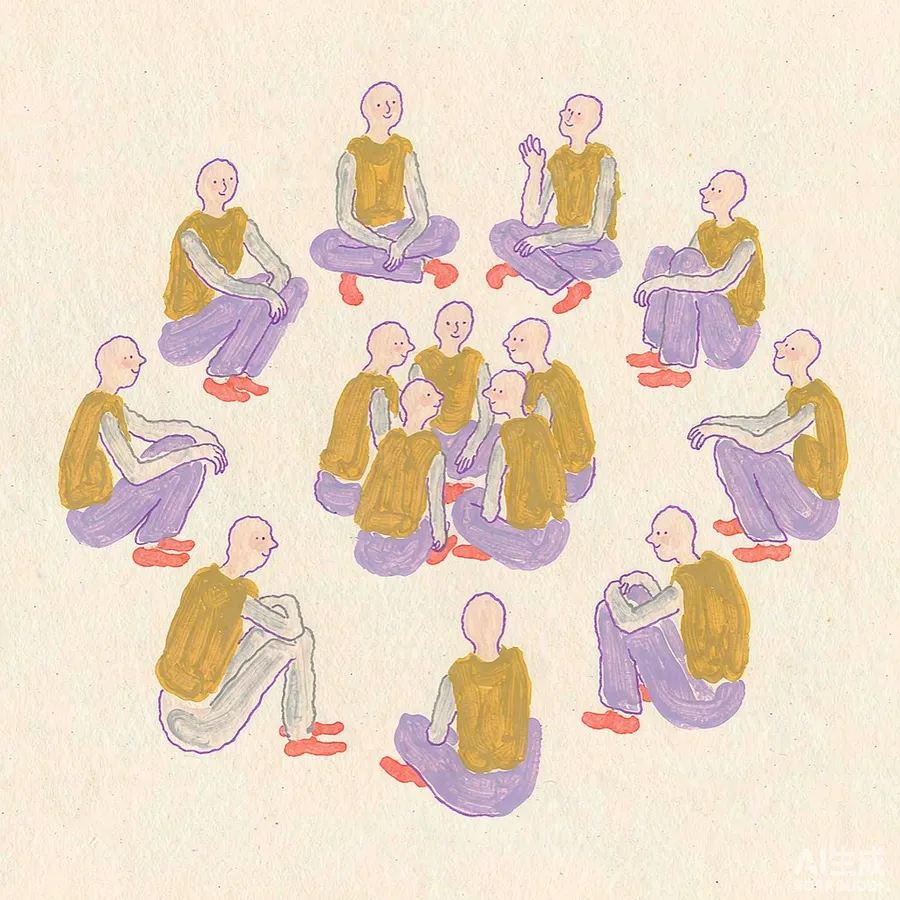
Four to six users talk to each other in an inner circle while the team listens from outside without intervening. The team hears the conversation it usually interrupts.
Time
60-90 min
Group
8-30
Output
First-hand user accounts
Move
Understand
Run sheet
How to run it
4 steps · 60-90 min
- 01
Invite four to six users into the inner circle
- 02
Ask them to discuss their experience
- 03
The team listens without intervening
- 04
Debrief what was heard
Say this
Lines you can read out as they are — no improvising under pressure.
“What surprised you most?”
“What do you wish the people in this building understood?”
“Where do you and the others disagree?”
Set up
Before they walk in
- □Four to six users in an inner circle
- □The team seated outside, briefed to stay silent
- □A note-taker who captures quotes rather than themes
What to watch for
Signals and traps
It is working when
- the users start talking to each other rather than to the room
It usually fails when
- the team jumps in to explain or defend
- the debrief produces themes instead of quotes
If it stalls, or the room is the wrong size
Variations
Run two fishbowls in parallel and compare
Leave the room entirely for fifteen minutes
Run it online with the team's cameras off
Background
Where it comes from
From Liberating Structures. The format removes the researcher from the middle: users respond to each other rather than to a question, which produces the disagreements and asides that a one-to-one interview filters out.
Cautions
When it does more harm than good
- Brief the users that they are talking to each other, not to the team
- The team must stay silent, which is harder than it sounds
- Debrief immediately or the nuance decays into bullet points
When to use
Reach for it when…
You need the team to hear users unfiltered
Second-hand reports are losing nuance
Source
Lipmanowicz, H., & McCandless, K. (2013). The Surprising Power of Liberating Structures.
Source phase: My methods (Kumar). Steps and the run sheet are written for this library, not quoted from the source.