User Journey Map
Map the experience across time including emotion and pain points.
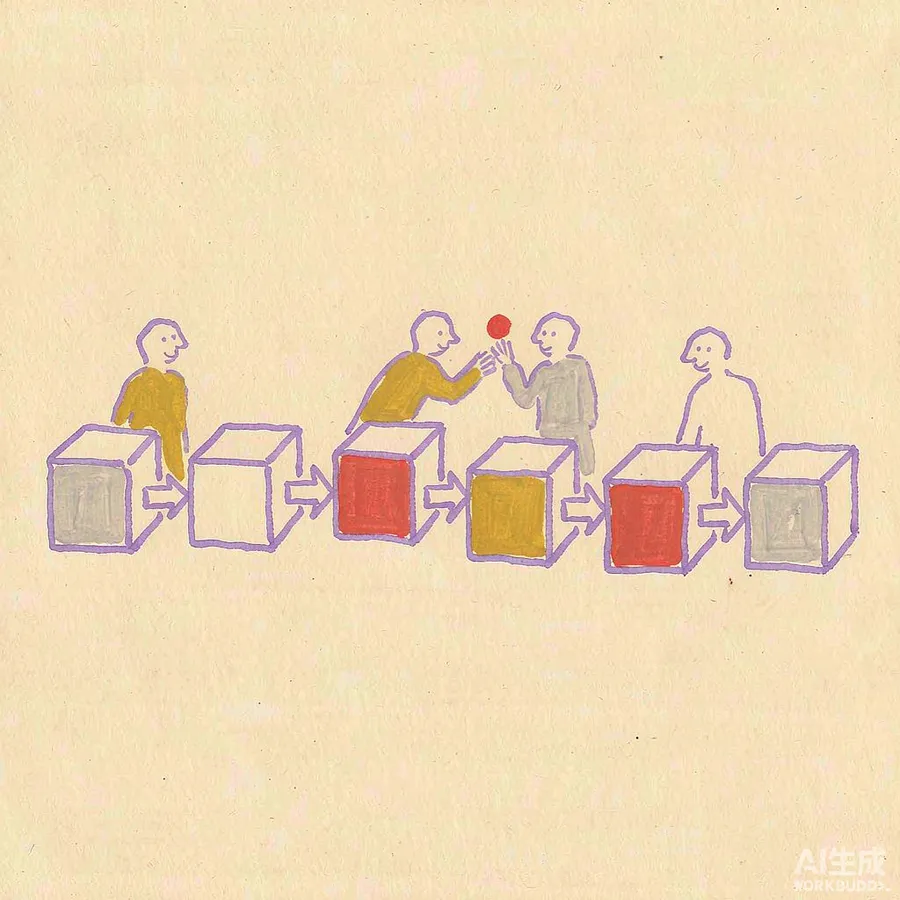
The experience laid out stage by stage with actions, thoughts and emotions, and the pain points marked. It turns a service into something a team can walk through.
Time
half day
Group
3-8
Output
A journey map
Move
Synthesize
Run sheet
How to run it
4 steps · half day
- 01
Define the stages
- 02
List actions thoughts and emotions
- 03
Mark the pain points
- 04
Identify the opportunities
Say this
Lines you can read out as they are — no improvising under pressure.
“What is this person trying to get done at this stage?”
“Where do they hesitate?”
“What do they tell someone else about this afterwards?”
Set up
Before they walk in
- □Stages taken from research, not from the internal process
- □Evidence per stage: quotes, photos, observations
- □A way to draw the emotional line
What to watch for
Signals and traps
It is working when
- the emotional line dips somewhere nobody expected
It usually fails when
- stages named after departments
- a map with no evidence behind any stage
If it stalls, or the room is the wrong size
Variations
Map one persona rather than the average
Map the same journey before and after a change
Add the backstage steps staff perform
Background
Where it comes from
From Kumar's 101 Design Methods, in the lineage of service blueprinting and customer-journey work in service design. Its discipline is the emotional line: a map without affect is a process diagram wearing a different hat.
Cautions
When it does more harm than good
- Build it from research, not from a workshop of guesses
- Stages must come from the user's experience, not from your internal process
- Mark where people give up, not only where they are unhappy
When to use
Reach for it when…
You are designing a service or experience
A team needs to align
Source
Kumar, V. (2012). 101 Design Methods: A Structured Approach for Driving Innovation in Your Organization. John Wiley & Sons.
Source phase: Analysis (Kumar). Steps and the run sheet are written for this library, not quoted from the source.