Axis Mapping
Place items on meaningful axes and read the arrangement.
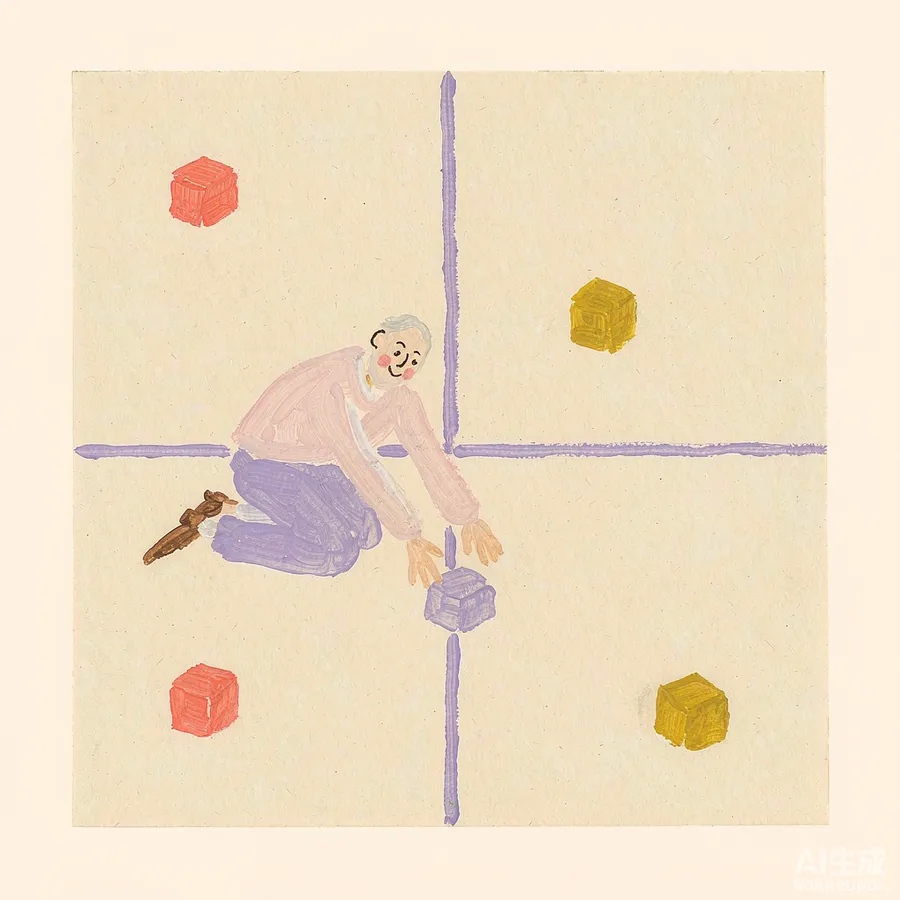
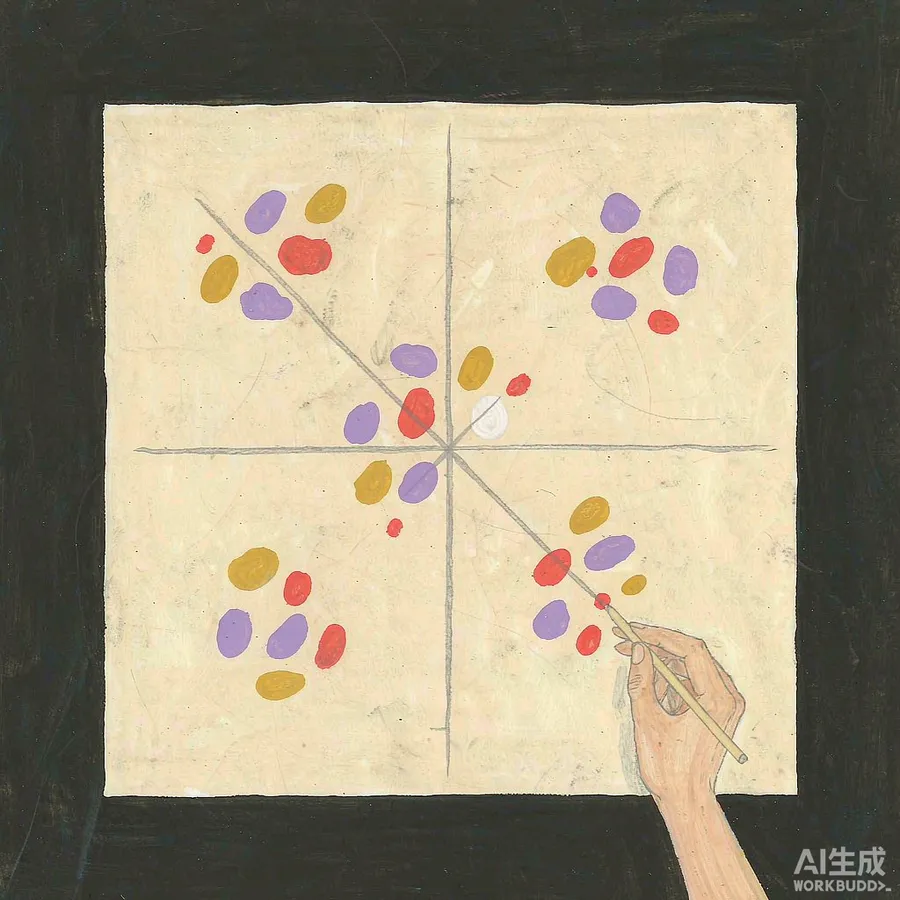
Items placed on two named axes so that position becomes an argument. Unlike a grid of quadrants, the point is the conversation about where each item really sits.
Time
90 min
Group
3-6
Output
An axis map
Move
Synthesize
Run sheet
How to run it
4 steps · 90 min
- 01
Choose the axes
- 02
Place the items
- 03
Discuss the disagreements
- 04
Name the regions
Say this
Lines you can read out as they are — no improvising under pressure.
“What does a position on this axis actually mean?”
“Who would place this item somewhere else?”
“Which region is empty, and is it empty for a reason?”
Set up
Before they walk in
- □Ten to twenty items to place — concepts, offers, competitors
- □Two axes, each argued for in one sentence
- □A surface where items can be moved
What to watch for
Signals and traps
It is working when
- two people place the same item differently and both have evidence
It usually fails when
- axes that restate the conclusion
- everything crowded in the middle because nobody will commit
If it stalls, or the room is the wrong size
Variations
Run it twice with different axes and compare
Let users place the items
Place one item at two points in time to show movement
Background
Where it comes from
From Kumar's 101 Design Methods, in the perceptual-mapping tradition. Its weakness is well known and worth naming: the axes decide the conclusion, so a map drawn after the decision is decoration.
Cautions
When it does more harm than good
- Name the axes in the users' language, not the industry's
- Disagreement about a position is the useful part, so do not resolve it by voting
- If everything clusters in one corner, the axes are wrong
When to use
Reach for it when…
You are comparing concepts
A strategy discussion needs structure
Source
Kumar, V. (2012). 101 Design Methods: A Structured Approach for Driving Innovation in Your Organization. John Wiley & Sons.
Source phase: Analysis (Kumar). Steps and the run sheet are written for this library, not quoted from the source.