Tree / Semi-Lattice Diagramming
Choose between hierarchy and overlap when structuring content.
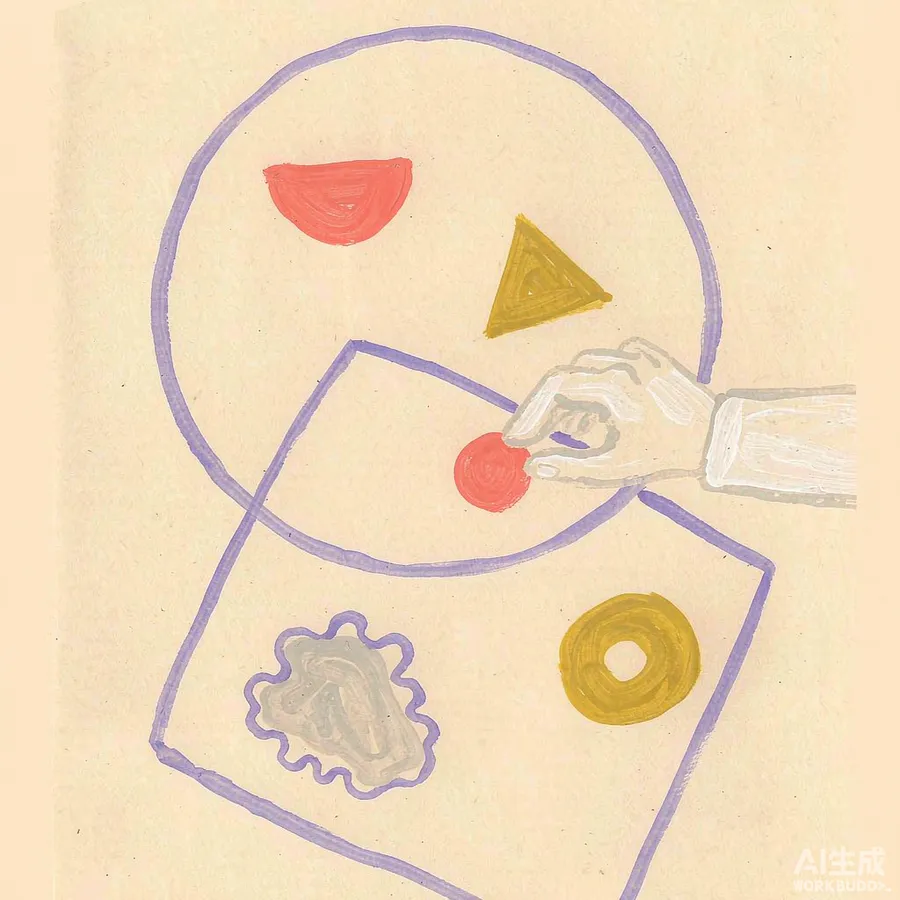
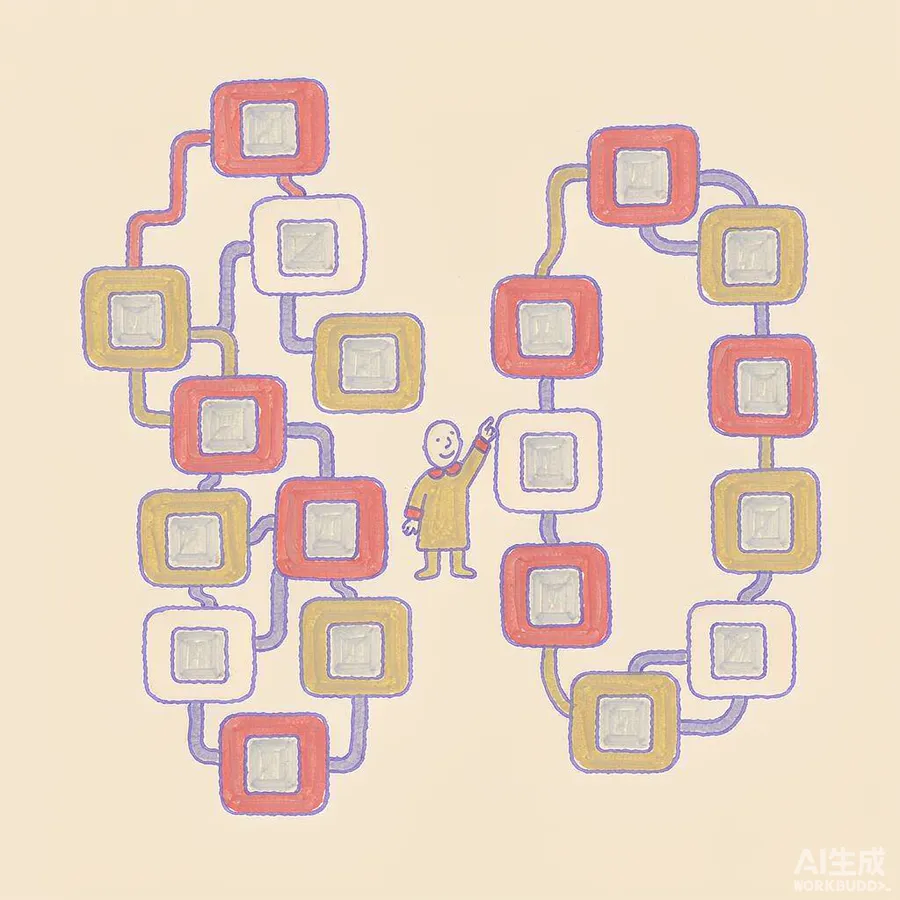
The same set of elements organised twice: once as a strict hierarchy and once as overlapping groups. Comparing the two shows whether the thing being organised is genuinely hierarchical.
Time
2 hours
Group
2-5
Output
A tree or semi-lattice diagram
Move
Synthesize
Run sheet
How to run it
4 steps · 2 hours
- 01
List the elements
- 02
Group them hierarchically
- 03
Try overlapping groups
- 04
Compare the structures and pick the better fit
Say this
Lines you can read out as they are — no improvising under pressure.
“Can this belong to two groups at once, honestly?”
“What does the tree force you to hide?”
“Which grouping would a newcomer expect?”
Set up
Before they walk in
- □The full element list, written as nouns users would use
- □A surface where an element can sit in more than one group
- □Two colours: hierarchy and overlap
What to watch for
Signals and traps
It is working when
- an element refuses to sit in one place and that is informative
It usually fails when
- a tidy tree that required three arbitrary decisions
- the structure tested only by its author
If it stalls, or the room is the wrong size
Variations
Build the tree first, then deliberately break it
Test both versions in a card sort with five users
Apply it to the navigation rather than the content
Background
Where it comes from
From Kumar's 101 Design Methods, built on Christopher Alexander's 1965 essay A City is Not a Tree, which argued that living structures overlap while designed ones get forced into trees. Most navigation and taxonomy problems are semi-lattices squeezed into trees.
Cautions
When it does more harm than good
- A tree is not wrong, it is a claim that nothing belongs in two places
- If an element needs three groups, suspect the taxonomy before the element
- Test the structure with someone who has to use it, not with the person who drew it
When to use
Reach for it when…
You are organising an offer or a taxonomy
Content needs structure
Source
Kumar, V. (2012). 101 Design Methods: A Structured Approach for Driving Innovation in Your Organization. John Wiley & Sons.
Source phase: Analysis (Kumar). Steps and the run sheet are written for this library, not quoted from the source.