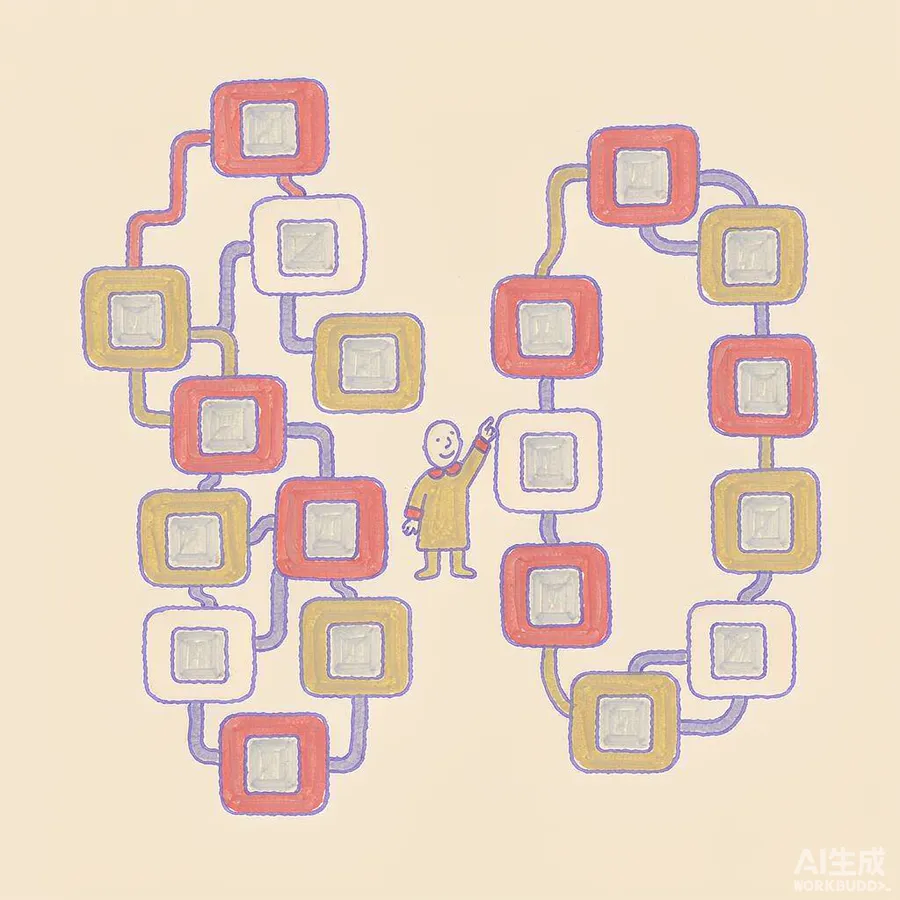
Models and Frameworks
Borrow or build a model to give data a structure.
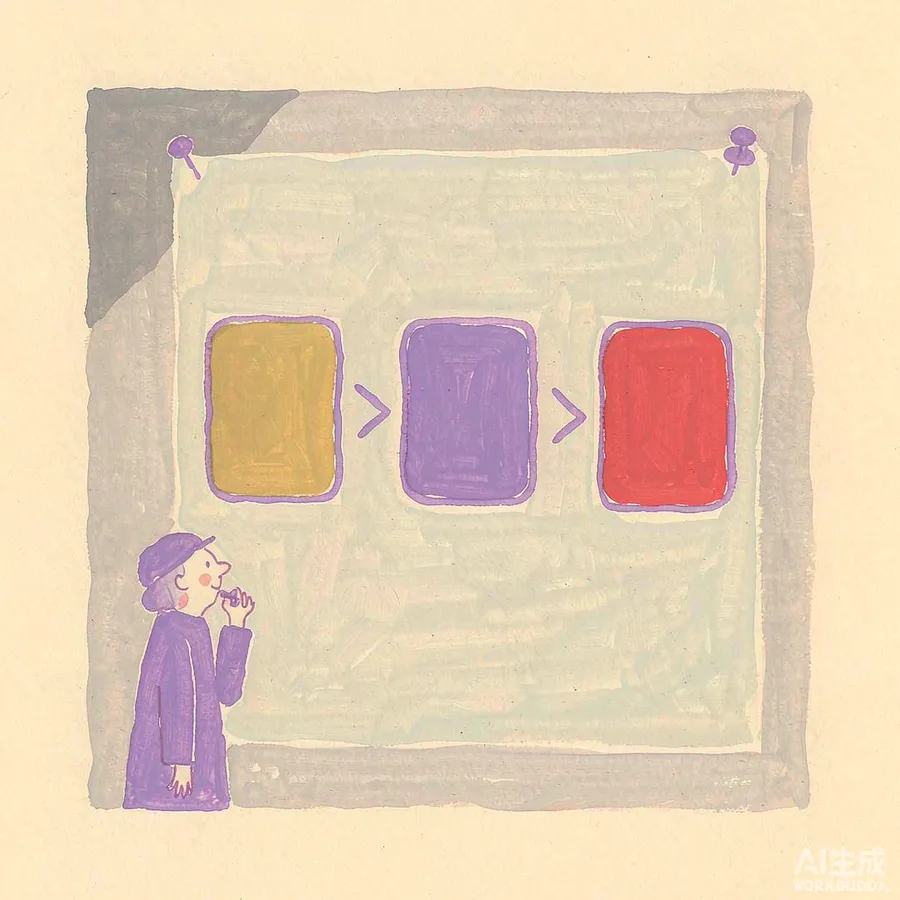
Fit the findings into a model, notice what does not fit, and revise the model. What refuses to fit is the most valuable output.
Time
2 hours
Group
2-5
Output
A fitted model
Move
Synthesize
Run sheet
How to run it
4 steps · 2 hours
- 01
Choose or build a model
- 02
Fit the data into it
- 03
Note what does not fit
- 04
Revise the model
Say this
Lines you can read out as they are — no improvising under pressure.
“Which findings does this model explain easily?”
“What does it force us to ignore?”
“What would a better model need to include?”
Set up
Before they walk in
- □Raw findings visible, not summarised
- □Two or three candidate models to try
- □A wall where the model can be redrawn
What to watch for
Signals and traps
It is working when
- the leftover findings point to a different model
It usually fails when
- the model chosen before the data arrived
- the model kept because it is familiar
If it stalls, or the room is the wrong size
Variations
Fit the same data to a rival model and compare the leftovers
Draw the model as a picture rather than a table
Ask an outsider to redraw it from your explanation
Background
Where it comes from
From Kumar's 101 Design Methods. Models are compression devices that let a team hold a complex situation in one picture; the danger is that a borrowed model flattens the very thing that made this situation particular.
Cautions
When it does more harm than good
- Choose the model after the data, not before
- Write down what does not fit, in the model's own terms
- A model nobody can redraw from memory will not travel
When to use
Reach for it when…
The data is unstructured
You need a shared language
Source
Kumar, V. (2012). 101 Design Methods: A Structured Approach for Driving Innovation in Your Organization. John Wiley & Sons.
Source phase: Analysis (Kumar). Steps and the run sheet are written for this library, not quoted from the source.