Summary Framework
Compress the findings into one framework people can hold.
One page holding the key findings, grouped into a small number of dimensions, under a name. It is the artefact stakeholders actually use afterwards.
Time
half day
Group
2-4
Output
A one-page summary framework
Move
Synthesize
Run sheet
How to run it
4 steps · half day
- 01
List the key findings
- 02
Group them into dimensions
- 03
Name the framework
- 04
Test that it explains the data
Say this
Lines you can read out as they are — no improvising under pressure.
“If they remember three things, which three?”
“What does this framework claim is secondary?”
“What would make someone disagree with it?”
Set up
Before they walk in
- □The findings list, already clustered
- □One landscape page
- □The audience named
What to watch for
Signals and traps
It is working when
- the framework survives being explained in two minutes
It usually fails when
- a framework with eight dimensions
- the framework repeating the research questions
If it stalls, or the room is the wrong size
Variations
Draw it as a diagram, then as a sentence
Test it on someone outside the project
Write the one-pager before the deck
Background
Where it comes from
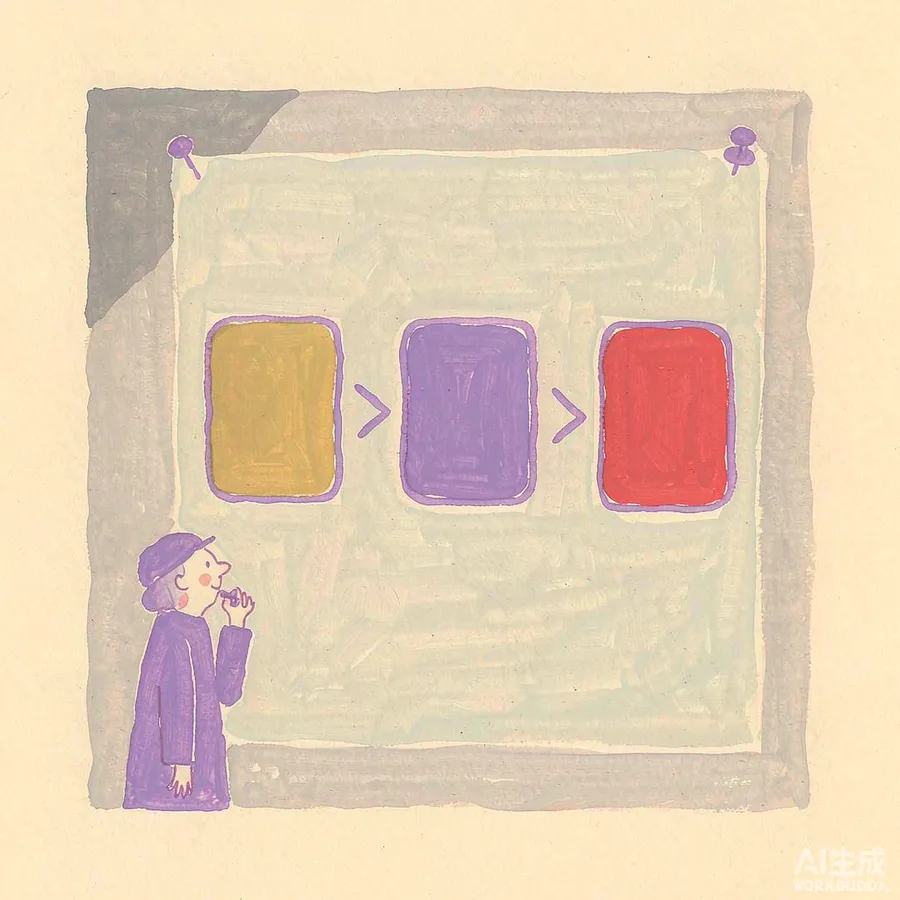
From Kumar's 101 Design Methods. The framework is a compression and a claim at once: naming three dimensions asserts that everything else is secondary, which is why it is worth arguing over rather than smoothing.
Cautions
When it does more harm than good
- If it needs a legend it is not a summary
- Test it by asking someone to explain it back
- Do not let the framework become the finding it was meant to summarise
When to use
Reach for it when…
You are reporting
You need stakeholder alignment
Source
Kumar, V. (2012). 101 Design Methods: A Structured Approach for Driving Innovation in Your Organization. John Wiley & Sons.
Source phase: Analysis (Kumar). Steps and the run sheet are written for this library, not quoted from the source.