Lists - Open Ended Writing
Use free writing to surface material that discussion hides.
One prompt, a fixed number of minutes, no editing. The output is raw material for coding, and its purpose is to get past the first polite answer.
Time
20 min
Group
1-any
Output
Raw written material
Move
Diverge
Run sheet
How to run it
4 steps · 20 min
- 01
Pose one prompt
- 02
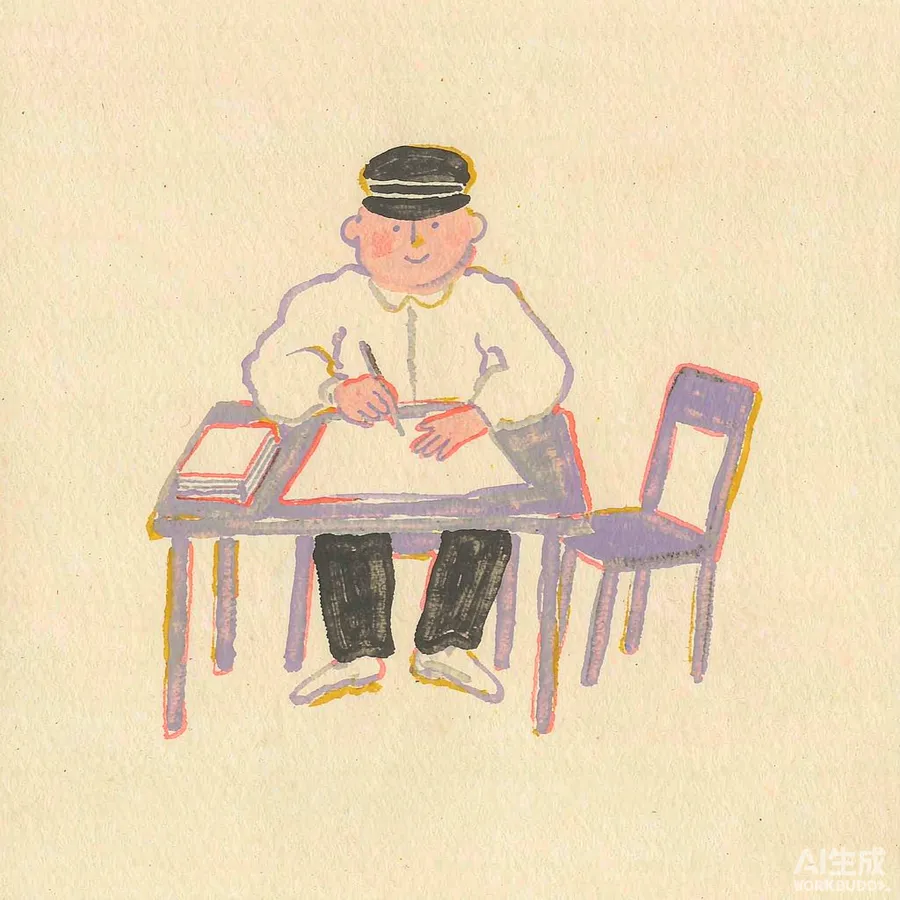
Write without editing for a set time
- 03
Read the material back
- 04
Extract the themes
Say this
Lines you can read out as they are — no improvising under pressure.
“What have you noticed about this that you have not said yet?”
“What would you tell a new colleague about this?”
“What do you wish someone would ask you about this?”
Set up
Before they walk in
- □One prompt, visible to everyone
- □Ten minutes, timed
- □Paper rather than a shared document
What to watch for
Signals and traps
It is working when
- people keep writing after the time is called
It usually fails when
- a prompt with a right answer
- reading aloud without consent
If it stalls, or the room is the wrong size
Variations
Write a list of ten, then a paragraph
Write from the point of view of a user
Collect anonymously and code later
Background
Where it comes from
From Kumar's 101 Design Methods and the plainest tool in the book. Writing privately is often more honest than speaking in a group, because nobody is performing for the room, and the time box stops the polishing.
Cautions
When it does more harm than good
- Do not read aloud without permission — the honesty depends on privacy
- One prompt, not five
- The material is data, so it needs coding rather than quoting
When to use
Reach for it when…
The group is quiet
You are in early exploration
Source
Kumar, V. (2012). 101 Design Methods: A Structured Approach for Driving Innovation in Your Organization. John Wiley & Sons.
Source phase: Analysis (Kumar). Steps and the run sheet are written for this library, not quoted from the source.