Causal Layered Analysis
Analyse a problem at litany systemic worldview and myth levels.
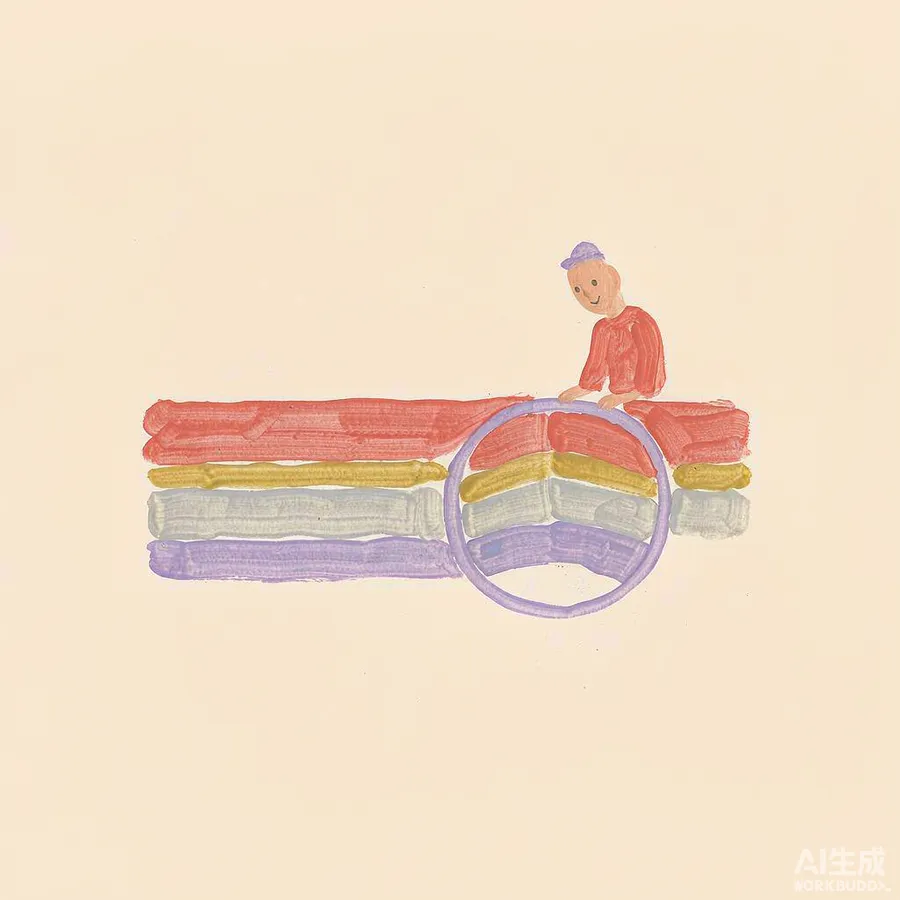
Four layers of one problem: the litany, the systemic causes, the worldview underneath, and the myth or metaphor that carries it. Each layer suggests different interventions.
Time
half day
Group
3-6
Output
A four-layer analysis
Move
Synthesize
Run sheet
How to run it
4 steps · half day
- 01
State the litany
- 02
Analyse the systemic causes
- 03
Surface the worldview
- 04
Explore the myth and derive alternatives
Say this
Lines you can read out as they are — no improvising under pressure.
“What keeps producing this symptom?”
“What does this system assume about people?”
“What story do we tell ourselves that makes this acceptable?”
Set up
Before they walk in
- □The problem stated as a litany in one sentence, in the words people use
- □Four columns on a wall
- □Someone willing to name the worldview out loud
What to watch for
Signals and traps
It is working when
- the myth layer produces a metaphor everyone recognises
It usually fails when
- stopping at systemic causes
- the analysis becoming blame of a group
If it stalls, or the room is the wrong size
Variations
Practise on a competitor's problem first
Ask each layer for one intervention
Write the myth as a headline, then rewrite the headline
Background
Where it comes from
Developed by Sohail Inayatullah for futures work and included in Kumar's 101 Design Methods. The claim is that most interventions fail because they treat the litany — the visible symptom — while the worldview that produces it stays untouched.
Cautions
When it does more harm than good
- Do not stop at the systemic layer and call it deep
- The myth layer needs a metaphor the room recognises, not an academic one
- End with an intervention at more than one layer or it becomes therapy
When to use
Reach for it when…
The problem keeps returning
Deep change is needed
Source
Kumar, V. (2012). 101 Design Methods: A Structured Approach for Driving Innovation in Your Organization. John Wiley & Sons.
Source phase: Analysis (Kumar). Steps and the run sheet are written for this library, not quoted from the source.