Venn Diagramming
Overlap sets to find shared ground and opportunity zones.
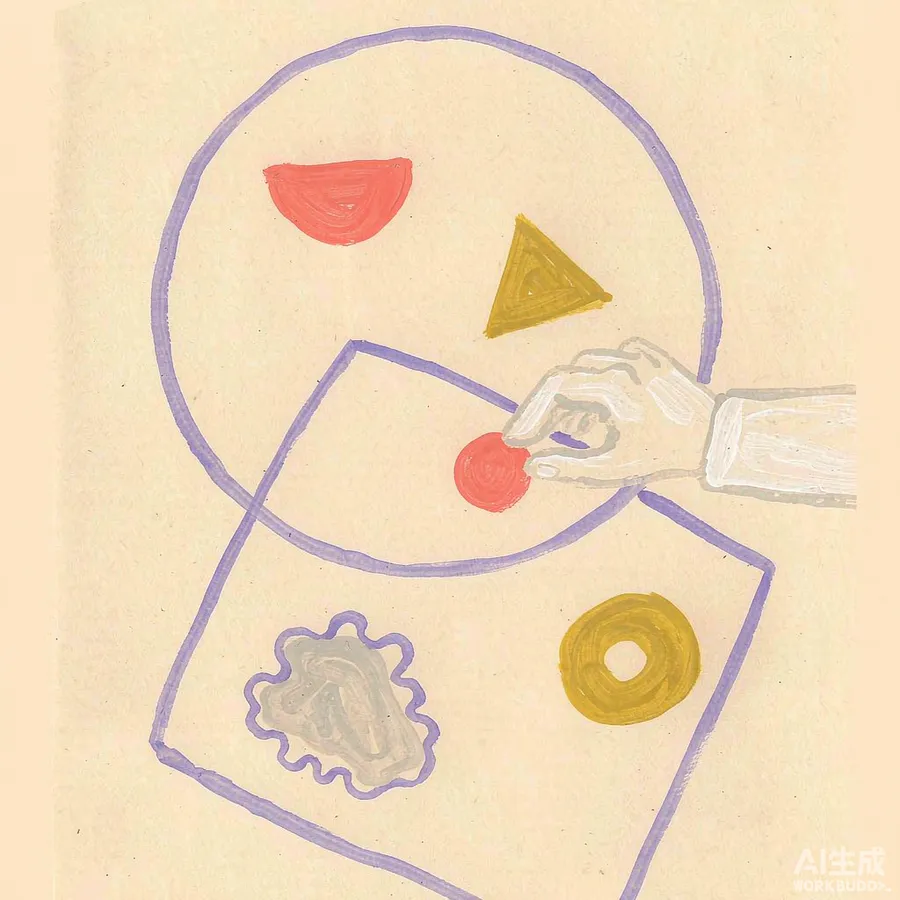
Sets drawn as overlapping circles so the shared ground and the exclusive ground are both visible. The intersections are where combined offers become possible.
Time
60 min
Group
2-5
Output
A Venn diagram with opportunity zones
Move
Synthesize
Run sheet
How to run it
4 steps · 60 min
- 01
Define the sets
- 02
Draw the overlaps
- 03
Analyse the intersections
- 04
Name the opportunities
Say this
Lines you can read out as they are — no improvising under pressure.
“What does this element need in order to belong here?”
“What exists only where the two overlap?”
“Which overlap is empty, and why?”
Set up
Before they walk in
- □Two or three sets named as needs, segments or capabilities
- □A card per element to be placed
- □An overlap you are willing to leave empty
What to watch for
Signals and traps
It is working when
- an element fits both sets and the room argues about it
It usually fails when
- four or more circles
- items pushed into an overlap to make the diagram look useful
If it stalls, or the room is the wrong size
Variations
Draw two sets and accept the loss
Use it on segments instead of needs
Ask two groups to place the same elements separately
Background
Where it comes from
From Kumar's 101 Design Methods, borrowing the logic diagram John Venn published in the 1880s. In design work the value is not the drawing but the argument about membership: deciding whether a need belongs in one set, both or neither exposes disagreements that a list hides.
Cautions
When it does more harm than good
- Three sets is the practical maximum — four circles produce decoration
- Every element must be placed by evidence rather than by consensus
- An empty intersection is a finding, so do not quietly move items into it
When to use
Reach for it when…
There are multiple needs or segments
You are looking for common ground
Source
Kumar, V. (2012). 101 Design Methods: A Structured Approach for Driving Innovation in Your Organization. John Wiley & Sons.
Source phase: Analysis (Kumar). Steps and the run sheet are written for this library, not quoted from the source.