Functional and Process Requirements Testing
Test the requirements against real use before building.
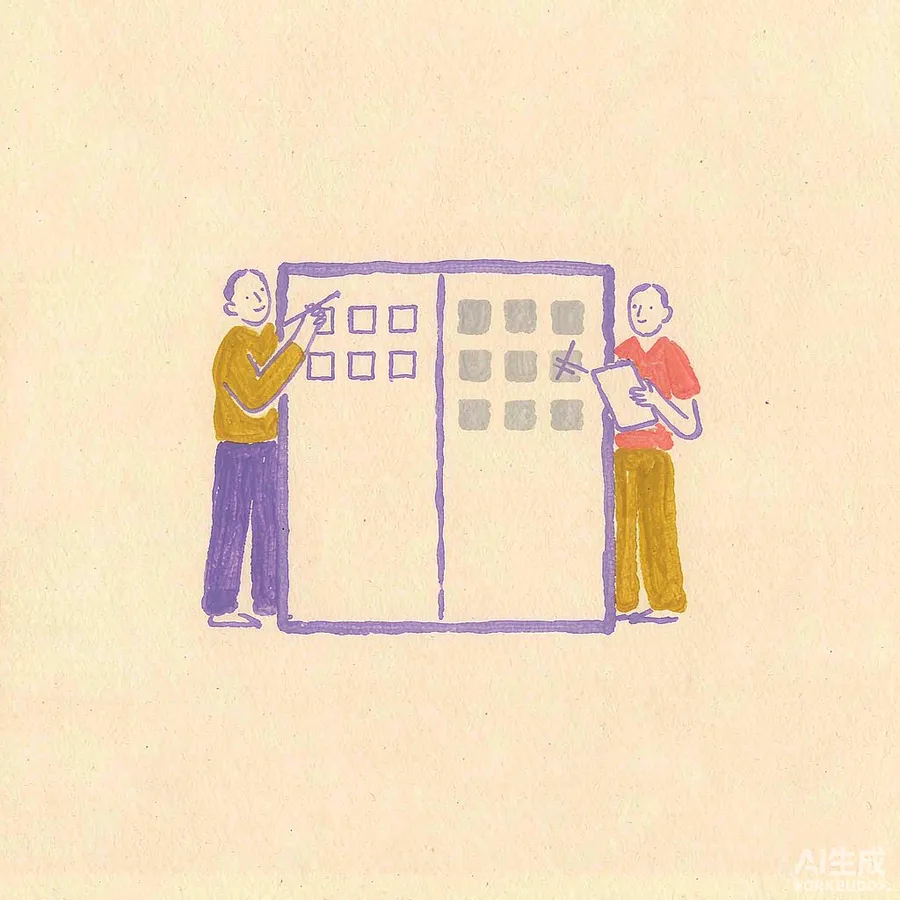
Testing whether the requirements are actually true by making people perform the tasks and watching what fails. It turns a requirements document into evidence before the build commits.
Time
1 day
Group
3-6
Output
Validated requirements
Move
Prototype
Run sheet
How to run it
4 steps · 1 day
- 01
Define the test tasks
- 02
Prototype the function or process
- 03
Observe the users
- 04
Record the failures
Say this
Lines you can read out as they are — no improvising under pressure.
“Show me how you would do this”
“What did you expect to happen there?”
“Where did the process assume you knew something you could not know?”
Set up
Before they walk in
- □The requirements list with each item written as a testable claim
- □Tasks that exercise each claim
- □A place to record failures verbatim
What to watch for
Signals and traps
It is working when
- a requirement fails for a reason nobody anticipated
It usually fails when
- testing the mock-up's look instead of the function
- helping the participant past the failure
If it stalls, or the room is the wrong size
Variations
Test with a colleague from another department first
Test the process on paper before building anything
Re-test only the requirements that failed
Background
Where it comes from
From Kumar's 101 Design Methods. Requirements are usually written as agreements between functions rather than as claims about users, so testing them is the last cheap moment before an expensive build.
Cautions
When it does more harm than good
- Test the requirement, not the mock-up's aesthetics
- Record failures verbatim, including those caused by your own instructions
- A requirement nobody can test is a preference
When to use
Reach for it when…
The requirements are still assumptions
You are about to commit
Source
Kumar, V. (2012). 101 Design Methods: A Structured Approach for Driving Innovation in Your Organization. John Wiley & Sons.
Source phase: Concept (Kumar). Steps and the run sheet are written for this library, not quoted from the source.