Rapid Prototyping
Build rough prototypes fast to answer one question.
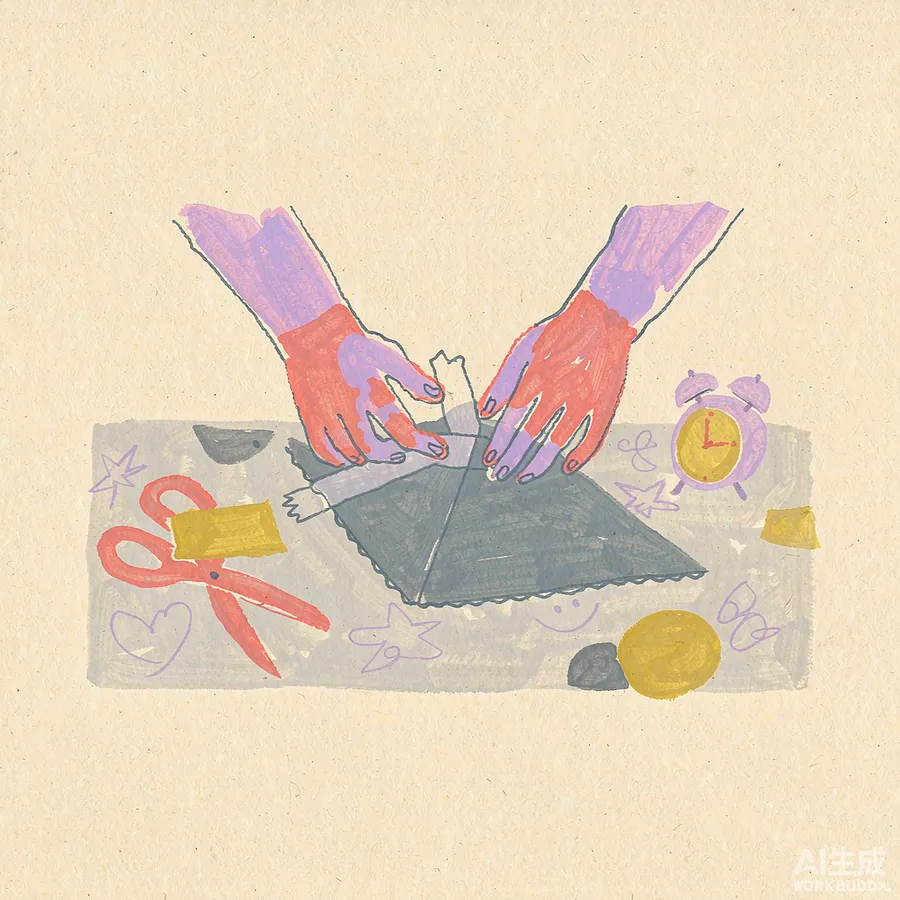
The roughest artefact that can answer one question, tested with real people, then rebuilt or binned. Speed matters because the point is the answer, not the object.
Time
1-3 days
Group
2-4
Output
Tested prototypes and learnings
Move
Prototype
Run sheet
How to run it
4 steps · 1-3 days
- 01
Choose the question to answer
- 02
Build the roughest possible prototype
- 03
Test it with users
- 04
Iterate on what you learned
Say this
Lines you can read out as they are — no improvising under pressure.
“What would have to be true for this to be wrong?”
“What is the least I can show to get an honest reaction?”
“What did they do that I did not expect?”
Set up
Before they walk in
- □One question written as a question
- □Materials for the roughest possible version — paper, tape, a phone
- □Two or three users booked the same week
What to watch for
Signals and traps
It is working when
- a participant uses the prototype in a way you did not design for
It usually fails when
- polishing the artefact instead of testing it
- asking whether people like it
If it stalls, or the room is the wrong size
Variations
Test three variants at once with the same question
Hand it over and leave the room
Rebuild overnight and test again the next day
Background
Where it comes from
From Kumar's 101 Design Methods, in the tradition of paper prototyping and low-fidelity testing. Roughness is functional: a polished prototype collects opinions about the finish, while an obviously provisional one collects opinions about the idea.
Cautions
When it does more harm than good
- One question per prototype or the result is uninterpretable
- Do not defend the artefact when the test goes badly
- If nobody could mistake it for the real thing, it is too finished
When to use
Reach for it when…
A concept needs validation
An assumption is expensive
Source
Kumar, V. (2012). 101 Design Methods: A Structured Approach for Driving Innovation in Your Organization. John Wiley & Sons.
Source phase: Concept (Kumar). Steps and the run sheet are written for this library, not quoted from the source.