Artifacts and Images
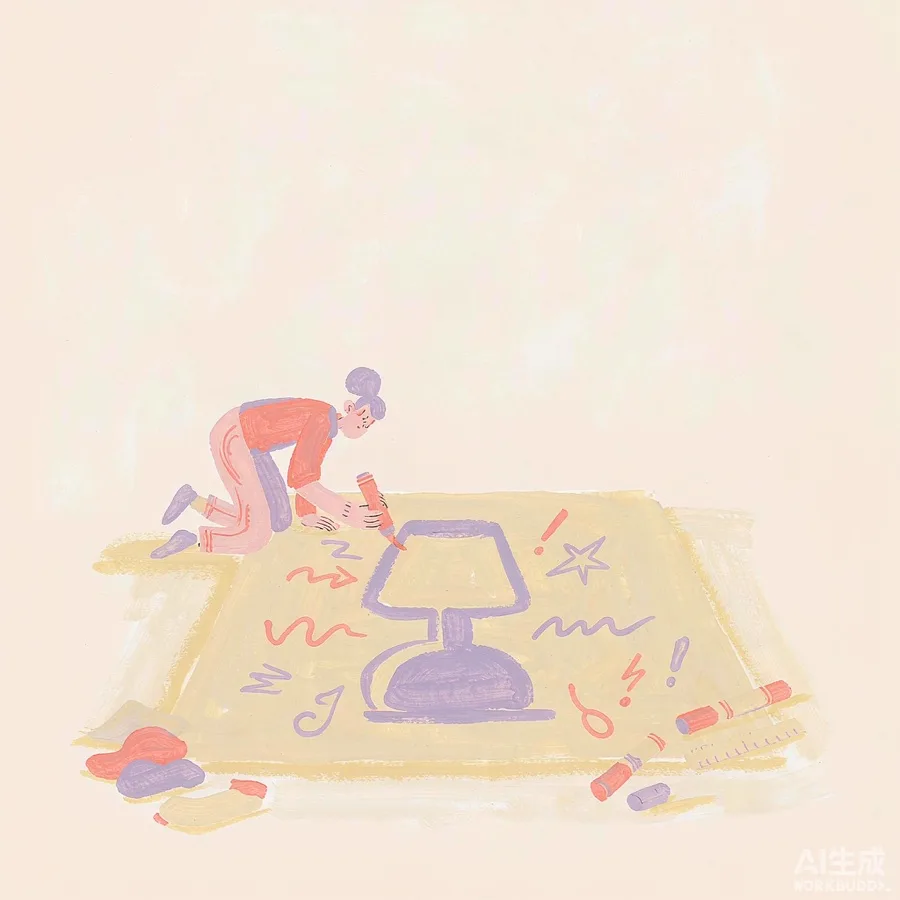
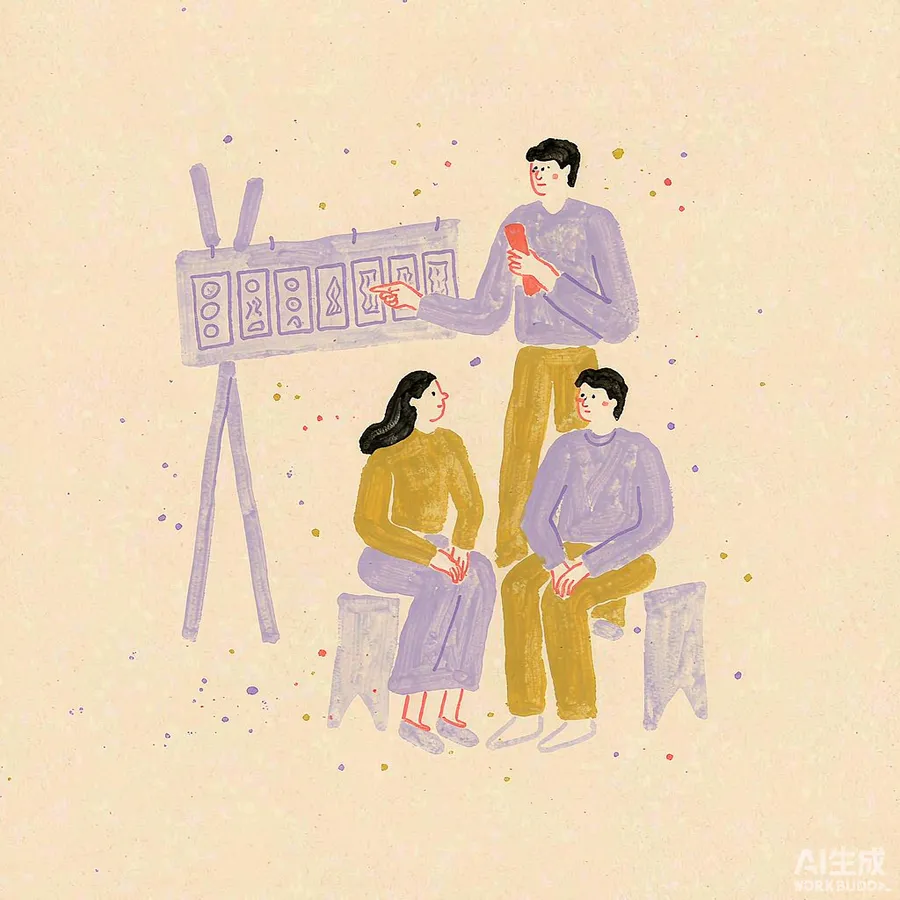
Make tangible artefacts that let people react to the concept.
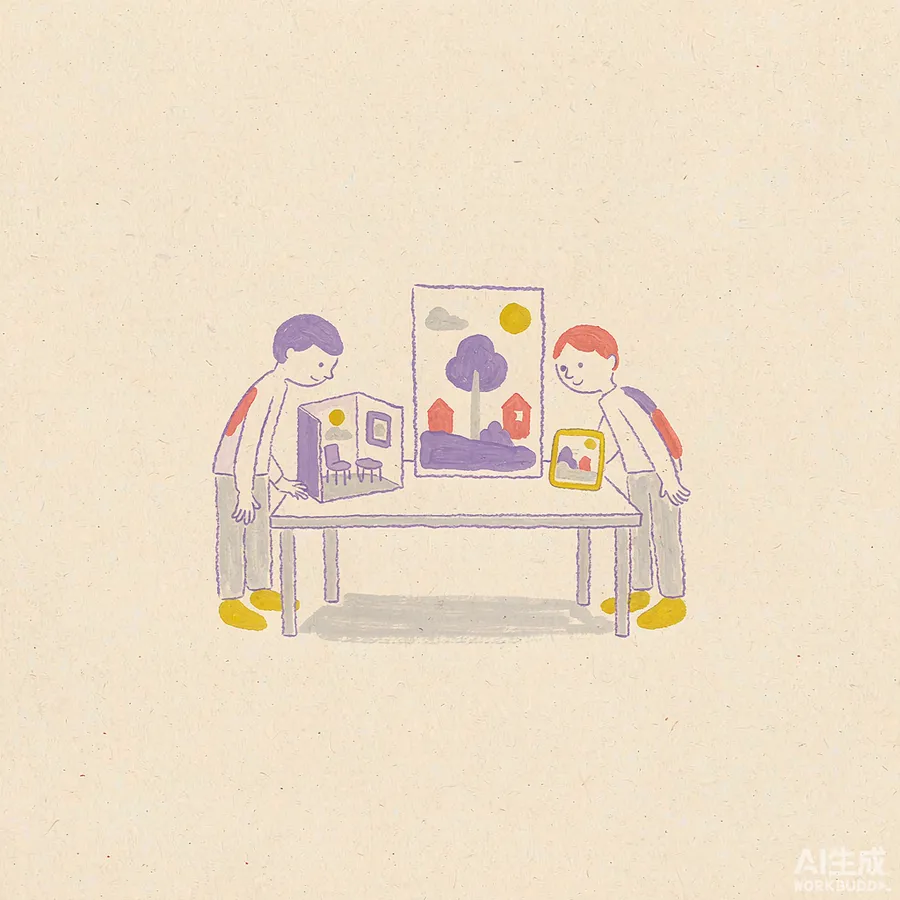
Making an abstract concept tangible — a mock artefact, a film, a set of images — so people react to it instead of to a description. It is the cheapest way to give a concept a body.
Time
1-2 days
Group
2-4
Output
Tangible artefacts
Move
Prototype
Run sheet
How to run it
4 steps · 1-2 days
- 01
Choose the type of artefact
- 02
Produce rough versions
- 03
Use them in conversation
- 04
Capture the reactions
Say this
Lines you can read out as they are — no improvising under pressure.
“What do you think this is?”
“What would you expect to happen next?”
“What is missing for this to be believable?”
Set up
Before they walk in
- □The concept written in one sentence
- □A medium the audience already reads: model, film, poster, sample
- □A reaction sheet that records questions rather than scores
What to watch for
Signals and traps
It is working when
- two stakeholders describe the concept differently
It usually fails when
- the artefact's finish carrying an argument the concept cannot support
- the artefact treated as the deliverable
If it stalls, or the room is the wrong size
Variations
Make a physical object rather than a picture
Make a thirty-second film with no voiceover
Show three rough versions and ask which problem each solves
Background
Where it comes from
From Kumar's 101 Design Methods. Stakeholders cannot evaluate what they cannot picture, and a verbal concept gets assessed against each listener's imagination, which is how six people approve six different things.
Cautions
When it does more harm than good
- The artefact is a conversation device rather than a deliverable, so say so
- Choose the medium the audience already reads
- Do not let the artefact's polish carry an argument the concept cannot support
When to use
Reach for it when…
An abstract concept needs presence
Stakeholders cannot picture it
Source
Kumar, V. (2012). 101 Design Methods: A Structured Approach for Driving Innovation in Your Organization. John Wiley & Sons.
Source phase: Concept (Kumar). Steps and the run sheet are written for this library, not quoted from the source.