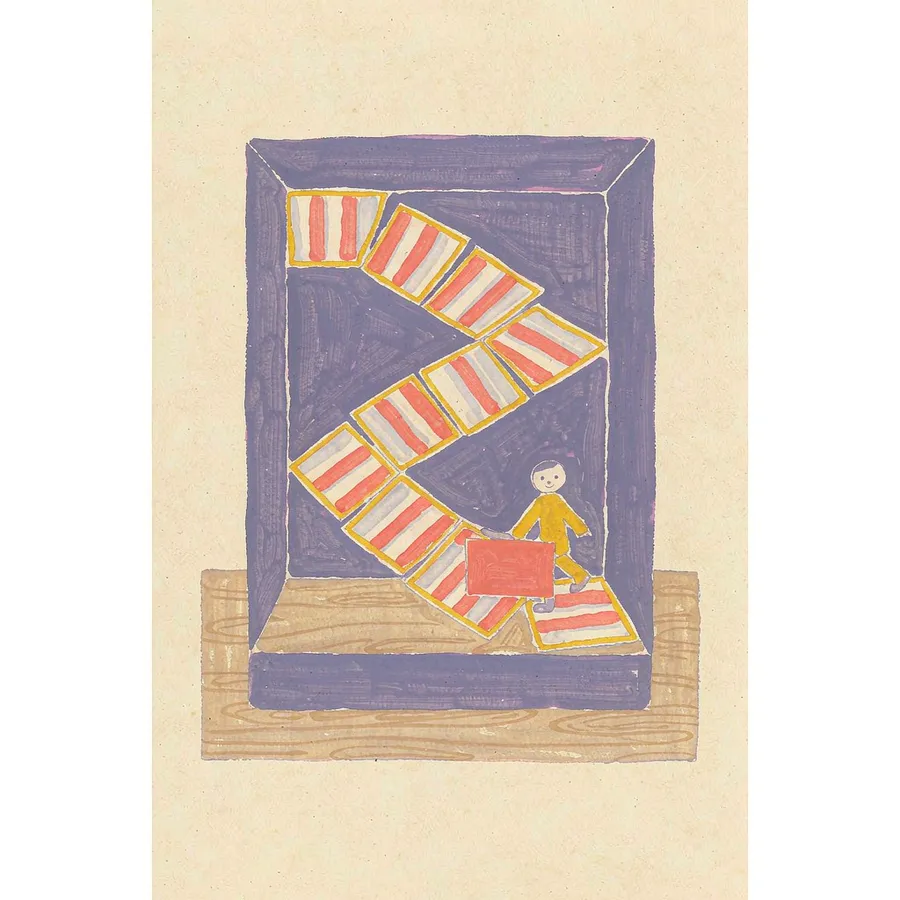
Storyboard / Storytelling
Storyboard the experience to explain it and align people.
The experience drawn as a sequence with captions, presented as a story rather than a specification. It is how a concept gets believed before it exists.
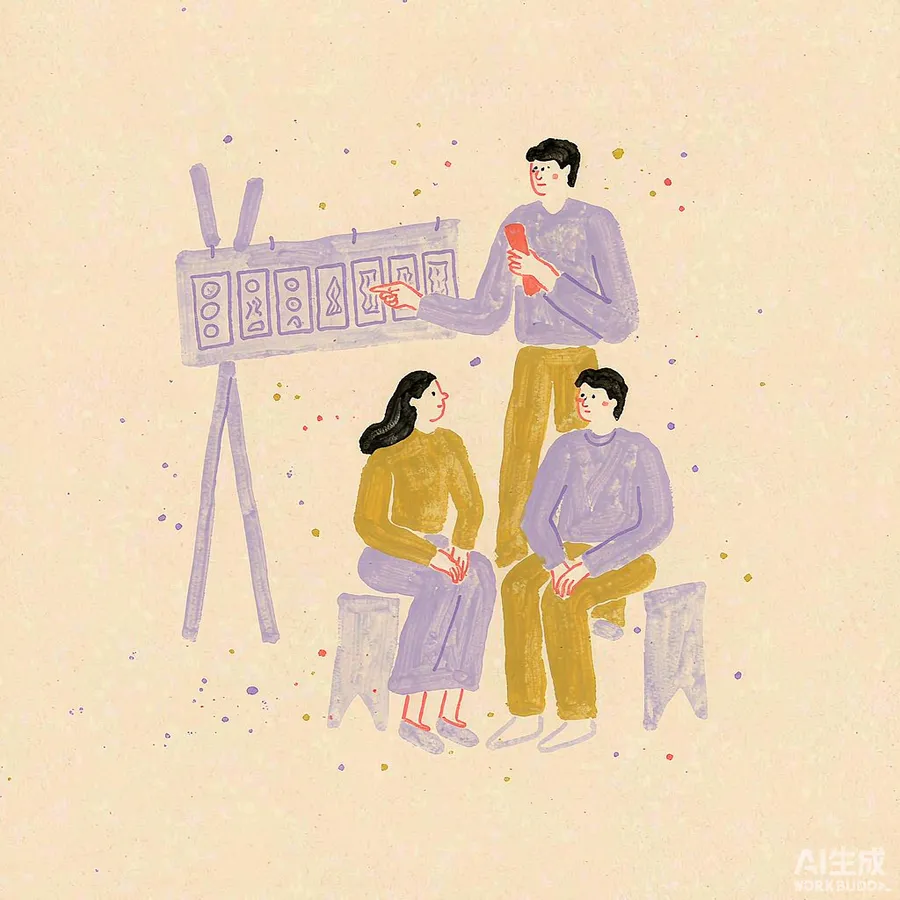
Time
half day
Group
2-4
Output
A storyboard
Move
Decide
Run sheet
How to run it
4 steps · half day
- 01
Define the story arc
- 02
Sketch the frames
- 03
Add captions
- 04
Present it to the audience
Say this
Lines you can read out as they are — no improvising under pressure.
“What does this person want at the start?”
“What gets in the way?”
“What changes by the last frame?”
Set up
Before they walk in
- □One protagonist with a name and a situation
- □Six to eight frames with captions
- □A place to present it standing up
What to watch for
Signals and traps
It is working when
- the audience asks what happens next rather than how it works
It usually fails when
- frames that show the system instead of the person
- the obstacle left out to keep it positive
If it stalls, or the room is the wrong size
Variations
Tell it without the drawings first, then show them
Tell the same story from the staff's side
Let a user tell their version and compare
Background
Where it comes from
From Kumar's 101 Design Methods. Stories carry causal order and consequence, which is what a feature list strips out; the audience remembers what happened to whom, not the architecture.
Cautions
When it does more harm than good
- One protagonist and one tension
- The obstacle is the story, so do not skip it
- Rehearse the telling, not only the drawing
When to use
Reach for it when…
You are explaining an experience
You need stakeholder buy-in
Source
Kumar, V. (2012). 101 Design Methods: A Structured Approach for Driving Innovation in Your Organization. John Wiley & Sons.
Source phase: Concept (Kumar). Steps and the run sheet are written for this library, not quoted from the source.