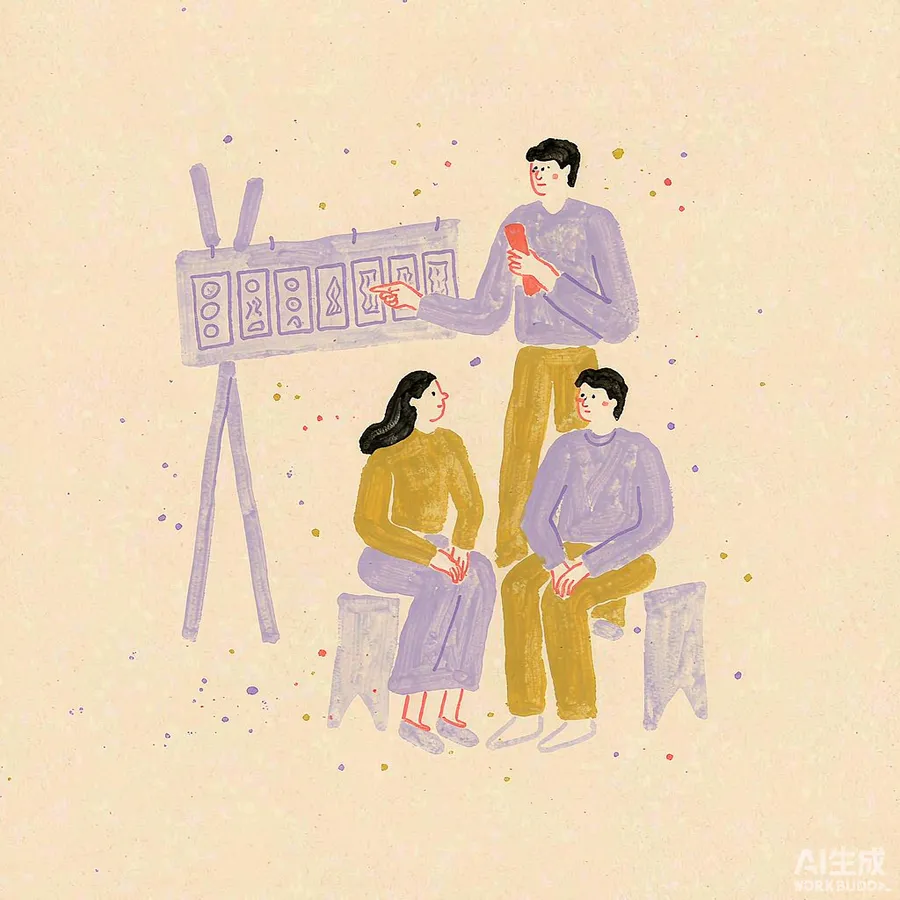
Stories - Framing Narratives
Frame the findings and the concept as a story people act on.
Framing findings as a narrative with a protagonist, a tension and an arc. The frame decides what the audience thinks the problem is, before they hear the evidence.

Time
2 hours
Group
2-4
Output
A narrative frame
Move
Decide
Run sheet
How to run it
4 steps · 2 hours
- 01
Identify the protagonist
- 02
Define the tension
- 03
Build the arc
- 04
Test it with the audience
Say this
Lines you can read out as they are — no improvising under pressure.
“Whose story is this, and why them?”
“What is the tension that makes this worth solving?”
“What does the audience have to give up to accept this frame?”
Set up
Before they walk in
- □The findings, the evidence, and one chosen protagonist
- □A blank arc: situation, tension, turning point, resolution
- □An audience who will disagree
What to watch for
Signals and traps
It is working when
- a sceptic locates themselves in the story
It usually fails when
- a segment used as the protagonist
- an arc with no cost in it
If it stalls, or the room is the wrong size
Variations
Write the frame from the sceptic's point of view
Test two frames on two audiences
Keep the evidence for the questions, not the opening
Background
Where it comes from
From Kumar's 101 Design Methods. A finding presented as a fact invites agreement or disagreement; the same finding inside a story invites the audience to locate themselves in it, which is what changes a decision.
Cautions
When it does more harm than good
- Name the protagonist as a person, not a segment
- If the arc has no cost in it, nobody believes the ending
- Test the frame on someone who will disagree
When to use
Reach for it when…
You are persuading stakeholders
The findings need to land
Source
Kumar, V. (2012). 101 Design Methods: A Structured Approach for Driving Innovation in Your Organization. John Wiley & Sons.
Source phase: Concept (Kumar). Steps and the run sheet are written for this library, not quoted from the source.