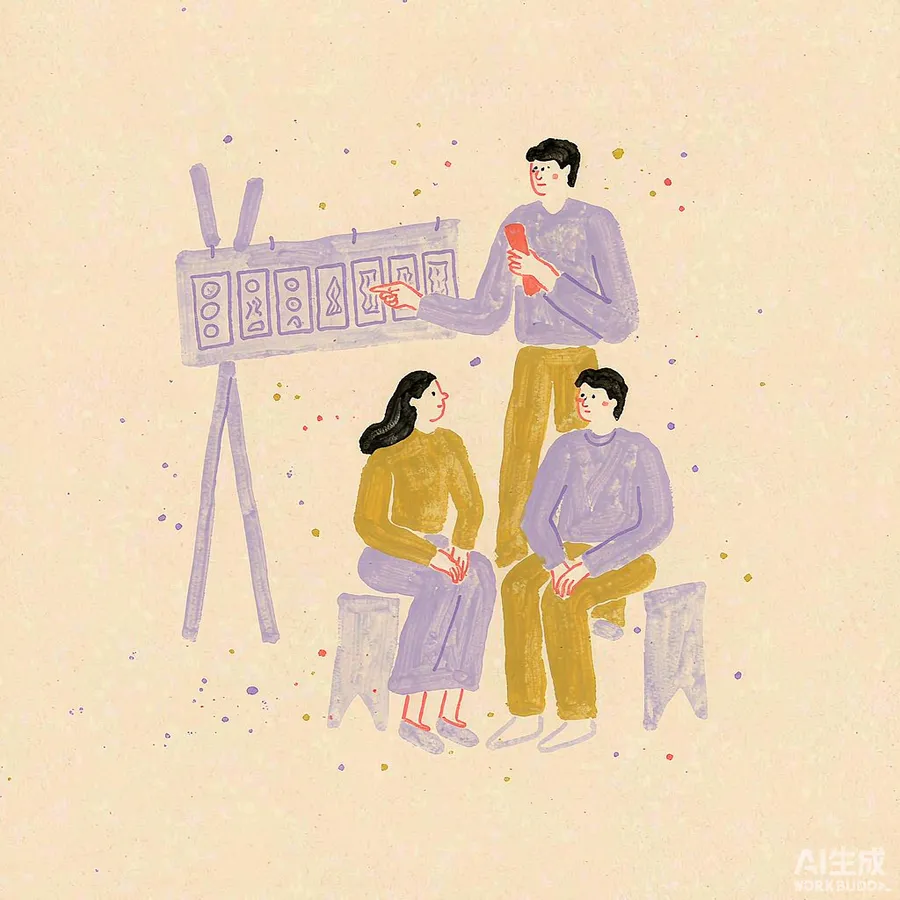
Scenarios
Write plausible future use scenarios to ground a concept.
Short written narratives of a specific person pursuing a goal in a specific situation. They make an abstract concept testable by putting it in a sequence with obstacles.
Time
2 hours
Group
3-6
Output
Written scenarios
Move
Diverge
Run sheet
How to run it
4 steps · 2 hours
- 01
Define the actors and their goals
- 02
Write a step-by-step scenario
- 03
Include the obstacles
- 04
Test the concept against it
Say this
Lines you can read out as they are — no improvising under pressure.
“What does this person try first?”
“Where does the current offer fail them?”
“What would make them give up?”
Set up
Before they walk in
- □One named actor with a real goal, taken from research
- □A situation with a time and a place
- □A one-page limit
What to watch for
Signals and traps
It is working when
- the scenario produces an obstacle nobody had considered
It usually fails when
- the actor is an average user with no particulars
- the happy path only
If it stalls, or the room is the wrong size
Variations
Write the same scenario for two different actors
Write the failure version first
Act it out instead of reading it
Background
Where it comes from
From Kumar's 101 Design Methods, with roots in scenario planning and in the use-case tradition of software design. A scenario is deliberately concrete — named actor, named place, named hour — because generality is where concepts hide their weaknesses.
Cautions
When it does more harm than good
- Write the obstacle, not only the happy path
- A scenario built around an average user tests nothing
- Keep it to one page or nobody reads it twice
When to use
Reach for it when…
A concept needs grounding
You are aligning a team
Source
Kumar, V. (2012). 101 Design Methods: A Structured Approach for Driving Innovation in Your Organization. John Wiley & Sons.
Source phase: Exploration (Kumar). Steps and the run sheet are written for this library, not quoted from the source.