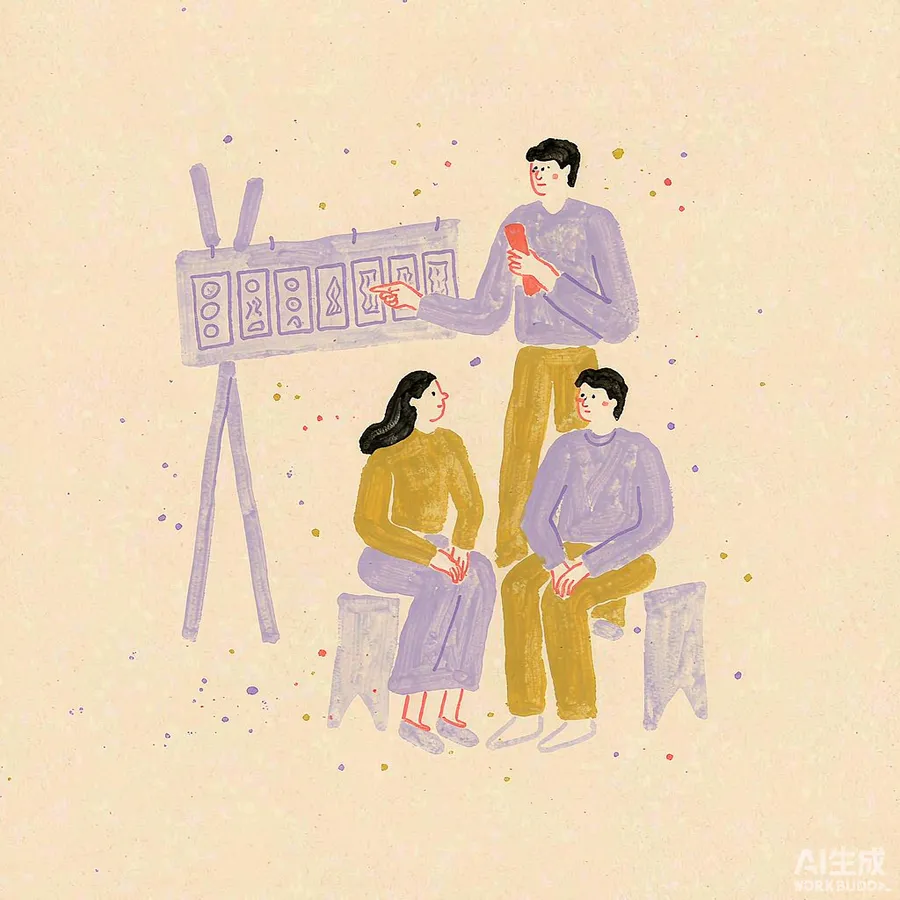
Metaphors and Analogies
Open new meaning for a concept and explain it through metaphor and analogy.
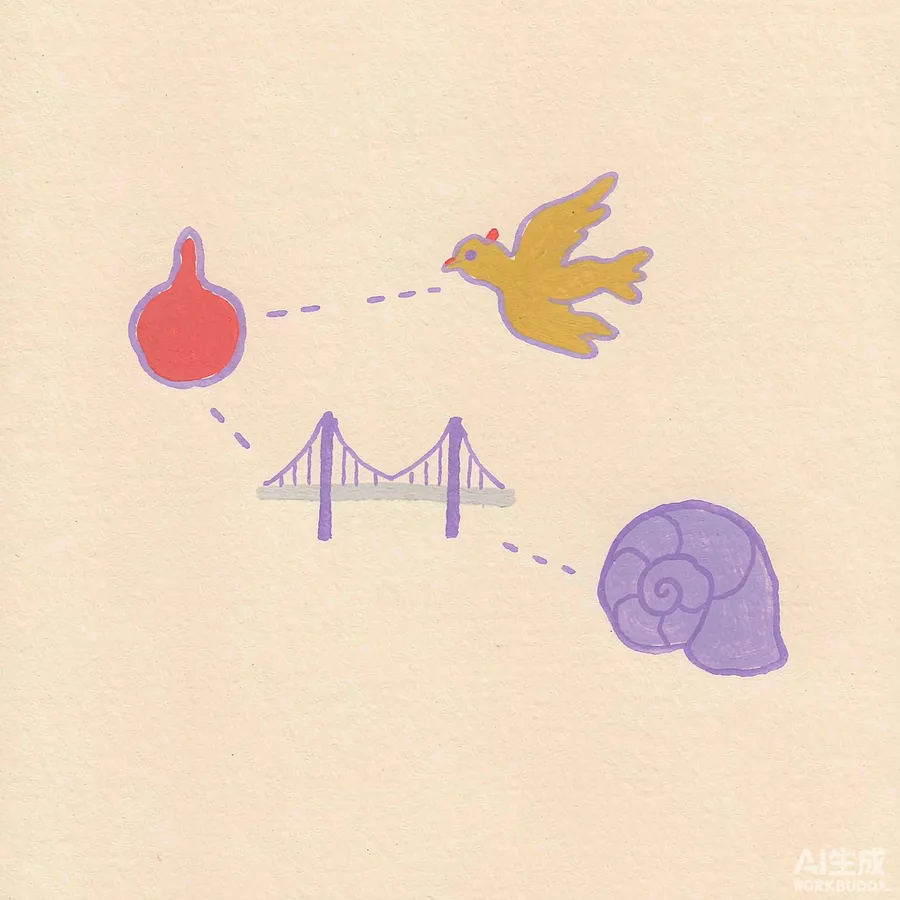
The concept mapped onto a familiar metaphor so that its correspondences, and the point where the analogy breaks, both become visible.
Time
90 min
Group
3-6
Output
A metaphor set and an analogy map
Move
Diverge
Run sheet
How to run it
5 steps · 90 min
- 01
Identify the core quality of the concept
- 02
Generate a set of metaphors and familiar analogies
- 03
Map the correspondences onto the concept
- 04
Note where the analogy breaks down
- 05
Select the metaphors worth keeping and refine the concept from them
Say this
Lines you can read out as they are — no improvising under pressure.
“If this concept were a place, what kind of place would it be?”
“Which features does this metaphor predict that we have not designed yet?”
“Where does the analogy stop working, and what does that tell us?”
Set up
Before they walk in
- □The concept's core quality written in one line
- □A list of domains to borrow from, such as nature, sport, logistics or cooking
- □A sheet to record where each metaphor breaks
What to watch for
Signals and traps
It is working when
- the metaphor predicts a feature nobody had listed
It usually fails when
- the metaphor is decorative and survives into the final pitch
- one metaphor is adopted before alternatives are generated
If it stalls, or the room is the wrong size
Variations
Generate five metaphors before evaluating any
Use an analogy from another industry for positioning
Test the metaphor on an outsider and ask what they expect
Background
Where it comes from
From Kumar's 101 Design Methods, close to the cognitive-linguistics view of metaphor as a mode of thought rather than decoration. The break point is the useful part: it shows where the concept is genuinely new.
Cautions
When it does more harm than good
- Choose the metaphor for the audience, not for the team
- Map the correspondences explicitly or the metaphor stays ornament
- Name where it breaks or it will mislead the design
When to use
Reach for it when…
The category language is stale
You need a new frame
You are explaining something novel
Source
Kumar, V. (2012). 101 Design Methods: A Structured Approach for Driving Innovation in Your Organization. John Wiley & Sons.
Source phase: Concept (Kumar). Steps and the run sheet are written for this library, not quoted from the source.
Pairs well with