Random Stimulus
Break a stuck line of thinking by forcing a connection to unrelated material.
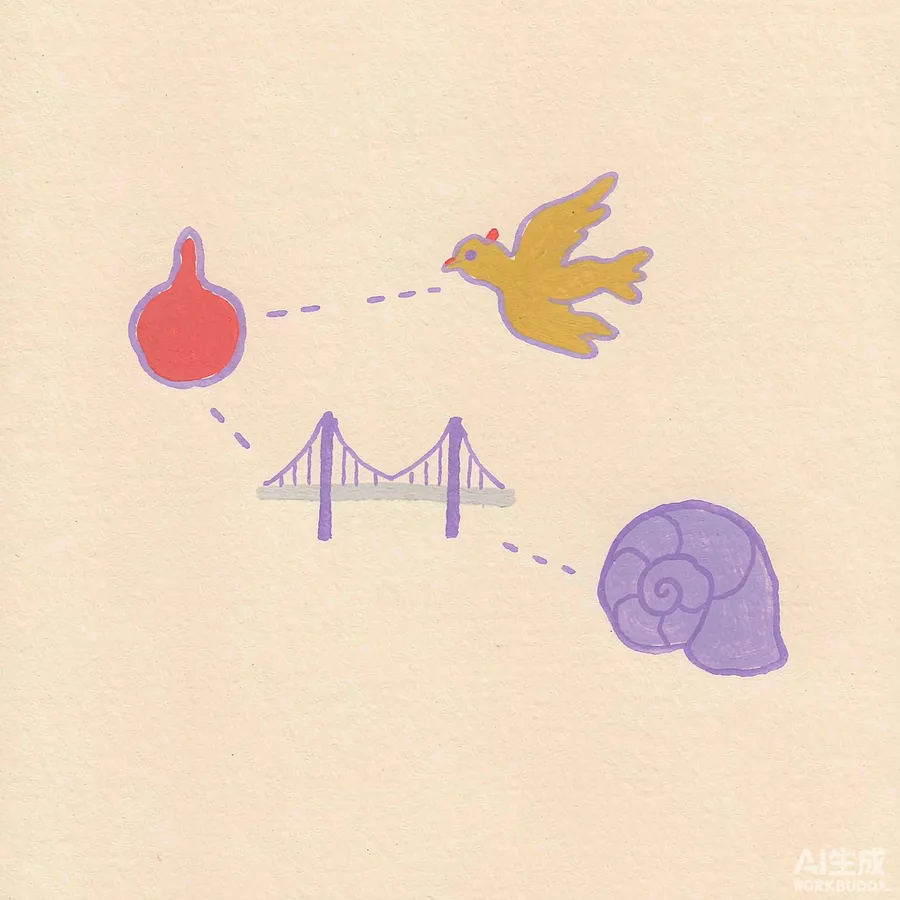
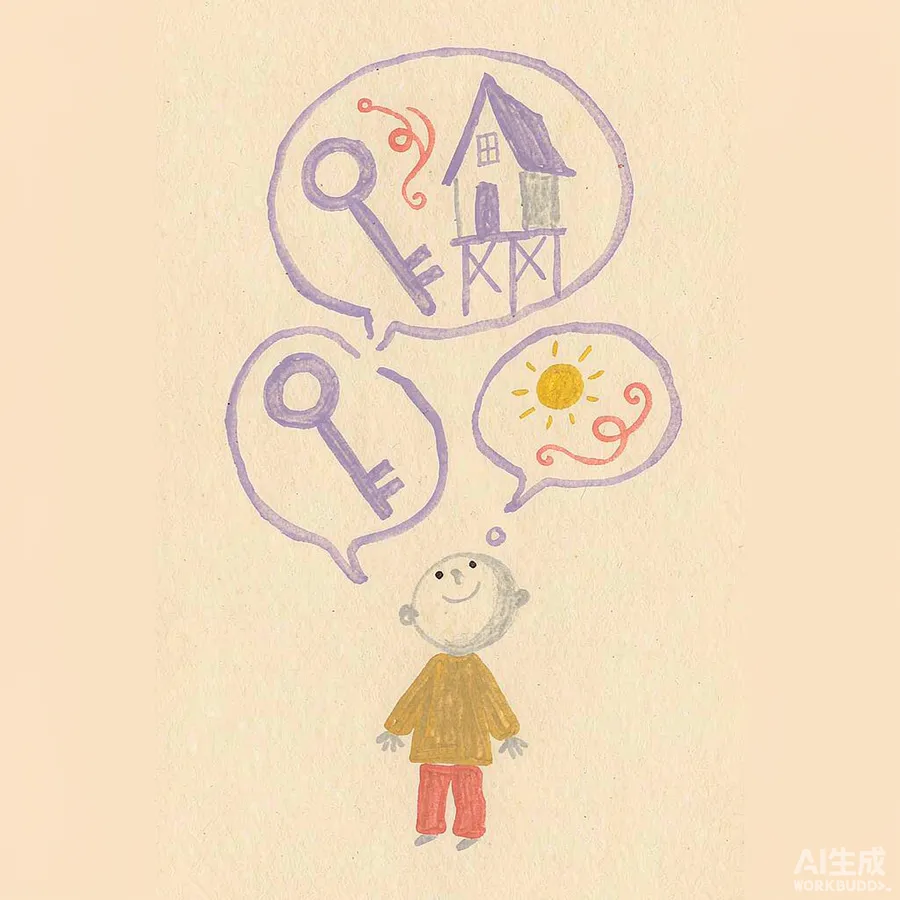
A random word, image or object, its attributes listed, and links forced back to the problem. It works by making an irrelevant thing briefly relevant.
Time
30-45 min
Group
3-6
Output
A short list of unexpected directions
Move
Diverge
Run sheet
How to run it
4 steps · 30-45 min
- 01
Pick a random word, image or object
- 02
List its attributes
- 03
Force links back to the problem
- 04
Keep the links that suggest something genuinely new
Say this
Lines you can read out as they are — no improvising under pressure.
“Describe the object without interpreting it first: what are its qualities?”
“Now force a link: if our problem behaved like this, what would it look like?”
“Which of these links survives contact with reality?”
Set up
Before they walk in
- □A stack of images, objects or word cards the group has not seen
- □No project material on the wall to anchor the room
What to watch for
Signals and traps
It is working when
- the first link is nonsense and the third one is useful
It usually fails when
- someone picks a stimulus that is secretly on-topic, which defeats the method
- the stimulus survives into the final concept as decoration
If it stalls, or the room is the wrong size
Variations
Image deck instead of objects for remote sessions
Each person draws a stimulus unseen from a closed box
Run three rounds of four minutes rather than one long block
Background
Where it comes from
Associated with Edward de Bono's lateral-thinking work. The mechanism is not magic: a random input changes which associations are active, which is why links have to be forced rather than waited for.
Cautions
When it does more harm than good
- Pick the stimulus genuinely at random
- List its attributes before linking
- Keep only links that suggest something new, and say why
When to use
Reach for it when…
The group is circling the same idea
Conventional prompts have stopped working
Source
de Bono, E. (1970). Lateral Thinking: Creativity Step by Step. Harper & Row.
Source phase: My methods (Kumar). Steps and the run sheet are written for this library, not quoted from the source.