SCAMPER
Push an existing concept through seven deliberate transformations.
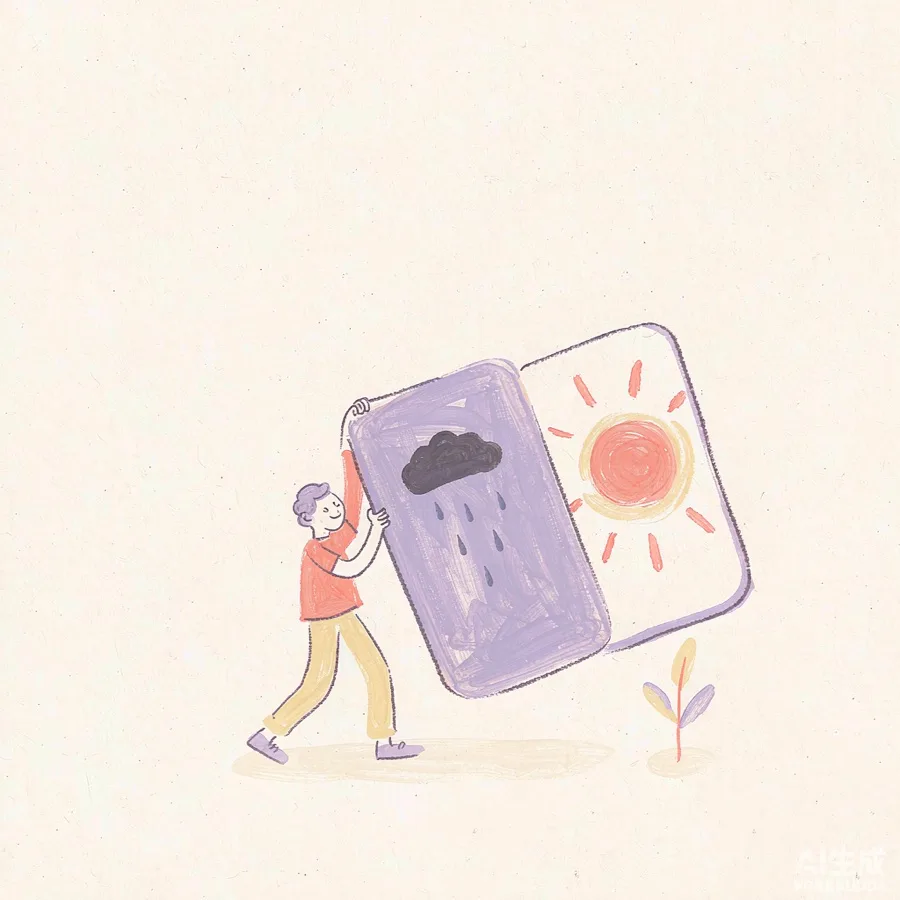
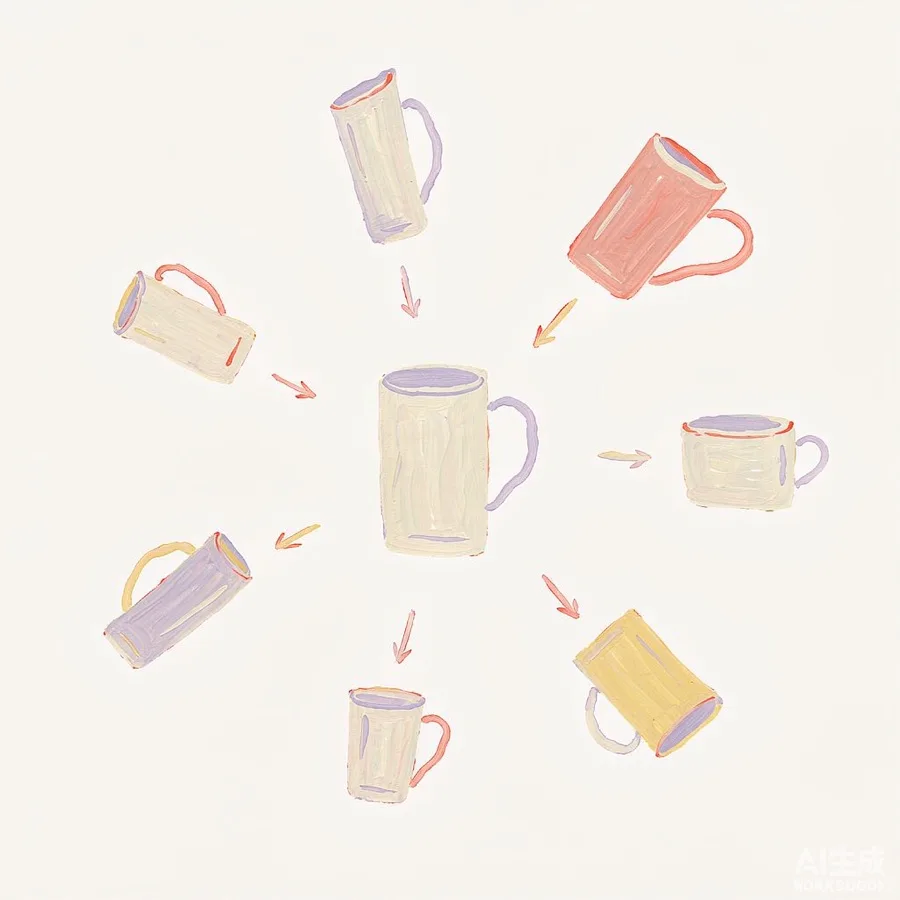
Seven transformations applied to one concept: substitute, combine, adapt, modify, put to other use, eliminate, reverse. It stretches an idea instead of replacing it.
Time
60-90 min
Group
3-6
Output
A set of transformed concept variants
Move
Diverge
Run sheet
How to run it
4 steps · 60-90 min
- 01
Take the current concept
- 02
Apply Substitute, Combine, Adapt, Modify, Put to other use, Eliminate and Reverse in turn
- 03
Force at least two ideas per letter
- 04
Keep the variants that change the concept meaningfully
Say this
Lines you can read out as they are — no improvising under pressure.
“Substitute one element: what if the material, the person or the channel changed?”
“Combine it with something from a completely different category”
“Eliminate the part everyone assumes is necessary”
Set up
Before they walk in
- □The current concept printed and pinned so it stays visible
- □One sheet per letter with the letter and its question at the top
- □Concrete examples of the concept as it exists today
What to watch for
Signals and traps
It is working when
- at least one variant per letter that nobody had said before
It usually fails when
- the group treats each letter as a checkbox and writes filler
- variants drift so far the concept is no longer recognisable
If it stalls, or the room is the wrong size
Variations
Split: two tables take three letters each, then swap sheets
Written round only, with no discussion until all seven letters are done
Use a competitor's concept as the seed to escape your own framing
Background
Where it comes from
Devised by Bob Eberle in the 1970s as a checklist for creative thinking, and still the most portable one. Its virtue is that it does not require inspiration, only the discipline to try every letter.
Cautions
When it does more harm than good
- Force at least two ideas per letter
- Keep the variants that change the concept meaningfully, not cosmetically
- It works on a concrete artefact and badly on an abstract theme
When to use
Reach for it when…
The first ideas all look alike
You need to stretch one concept instead of adding new ones
Source
Eberle, B. (1971). SCAMPER: Games for Imagination Development. D.O.K. Publishers.
Source phase: My methods (Kumar). Steps and the run sheet are written for this library, not quoted from the source.