Cultural Artifacts
Collect objects that carry meaning and analyse what they reveal.
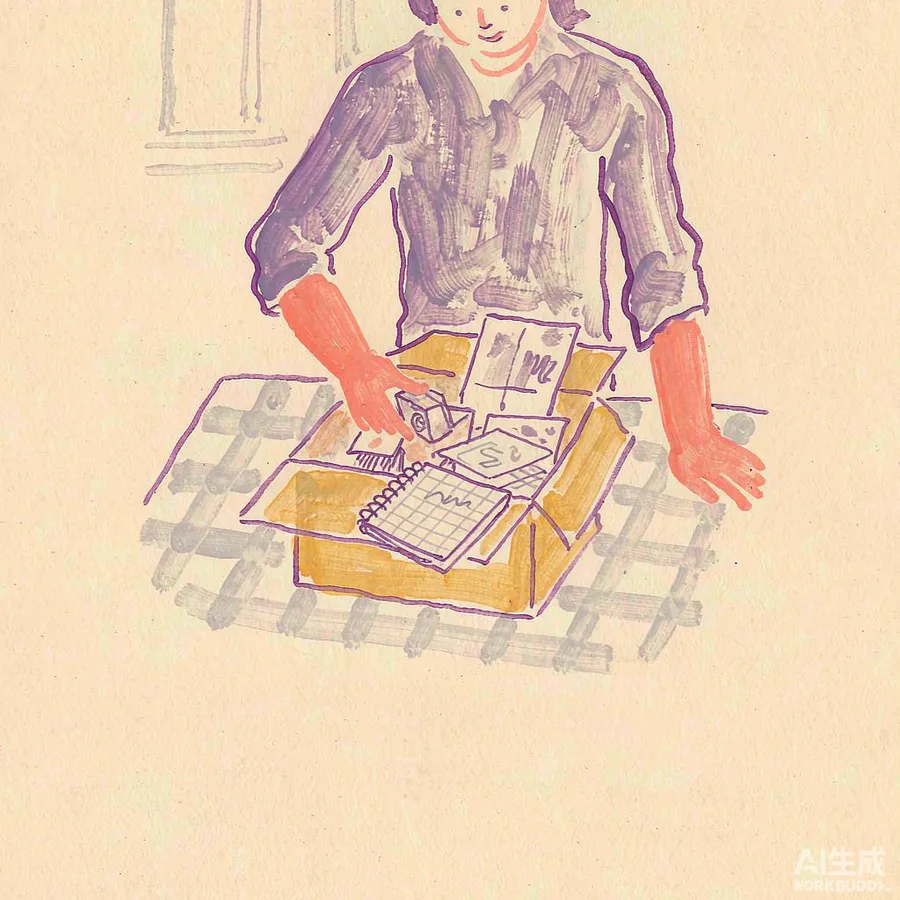
Ask people for the objects that matter to them and let them explain why. The catalogue of objects and explanations is a shortcut to values that never appear in interviews.
Time
1-2 weeks
Group
5-15
Output
An artefact catalogue with meanings
Move
Understand
Run sheet
How to run it
4 steps · 1-2 weeks
- 01
Ask participants for meaningful objects
- 02
Ask them to explain each one
- 03
Photograph and catalogue the objects
- 04
Analyse what the objects reveal about values
Say this
Lines you can read out as they are — no improvising under pressure.
“Where did this come from?”
“What would you lose if it disappeared?”
“Which object here does not belong to you?”
Set up
Before they walk in
- □A home or workplace visit with time to talk
- □A request to see one or two objects that matter
- □A camera and a way to label the catalogue
What to watch for
Signals and traps
It is working when
- the object's story turns out to be about a person
It usually fails when
- cataloguing only the expensive objects
- reaching for something without asking
If it stalls, or the room is the wrong size
Variations
Ask for the object they would rescue in a fire
Photograph one shelf and interview the shelf
Ask what they keep out of sight
Background
Where it comes from
From Kumar's 101 Design Methods, following the material-culture tradition in anthropology — the argument that people think with things, and that objects hold meanings their owners rarely state in words.
Cautions
When it does more harm than good
- Never handle an object without asking
- The explanation matters more than the object
- Do not generalise from one home to a market
When to use
Reach for it when…
You need tacit values
Home or workspace visits
Source
Kumar, V. (2012). 101 Design Methods: A Structured Approach for Driving Innovation in Your Organization. John Wiley & Sons.
Source phase: Exploration (Kumar). Steps and the run sheet are written for this library, not quoted from the source.