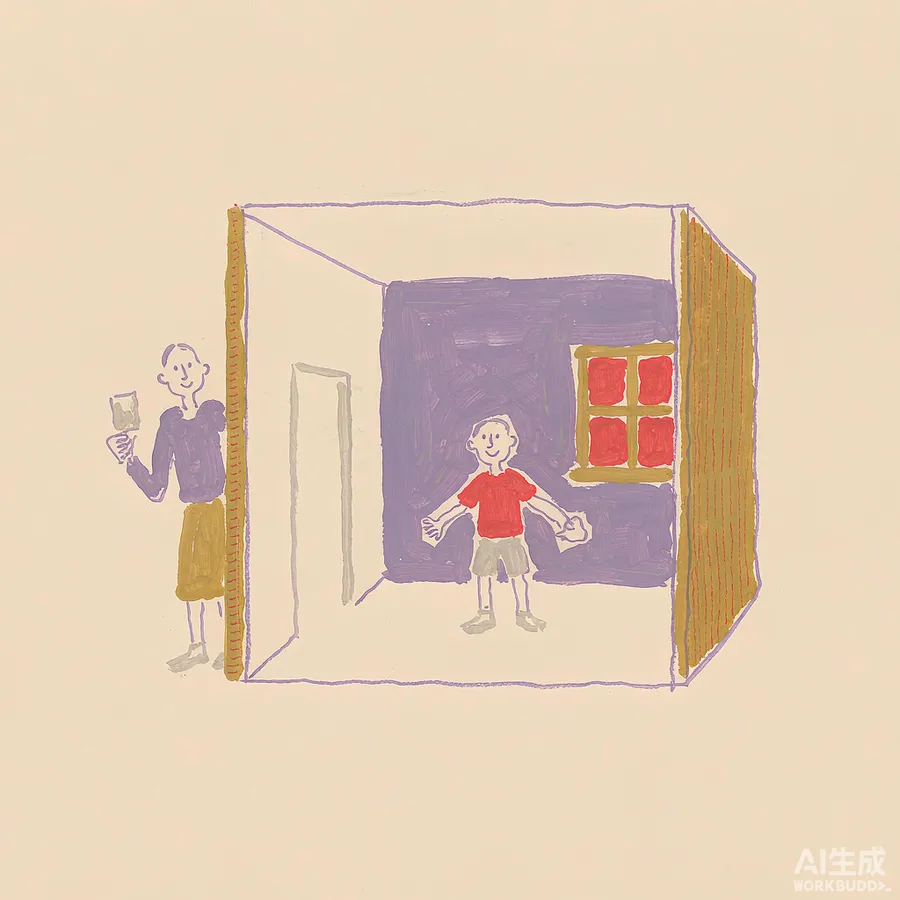
Experience Simulation
Simulate a user's experience yourself to feel the friction first hand.
The team performs a real user scenario itself, end to end, and logs every point of friction. It produces empathy quickly and exposes assumptions that interviews cannot reach.
Time
half day
Group
1-3
Output
A first-person friction log
Move
Understand
Run sheet
How to run it
4 steps · half day
- 01
Choose a real scenario
- 02
Perform it as the user would
- 03
Record every friction point
- 04
Compare it with what you observed
Say this
Lines you can read out as they are — no improvising under pressure.
“Where did I have to guess?”
“What did I do that the process did not expect?”
“How long did this actually take?”
Set up
Before they walk in
- □A real scenario written as a sequence of steps
- □A pair: one acts, one logs
- □A budget and a time box that match a real user's
What to watch for
Signals and traps
It is working when
- the log contains a workaround nobody documented
It usually fails when
- using insider knowledge to skip the hard step
- treating your own discomfort as the user's
If it stalls, or the room is the wrong size
Variations
Do it as a first-time customer with a fresh account
Do it with a colleague from another department
Repeat it on a bad day, with limited time
Background
Where it comes from
From Kumar's 101 Design Methods, close to what service designers call mystery shopping and to the access audits the disability community has run for decades. Doing the activity yourself shows the cost of steps that a fluent user never mentions.
Cautions
When it does more harm than good
- You are not the user, so log your reactions as hypotheses and check them
- Simulate the whole journey, including the boring parts
- Do it in pairs so one person can observe while the other acts
When to use
Reach for it when…
The team is detached from users
You need quick empathy
Source
Kumar, V. (2012). 101 Design Methods: A Structured Approach for Driving Innovation in Your Organization. John Wiley & Sons.
Source phase: Exploration (Kumar). Steps and the run sheet are written for this library, not quoted from the source.