Cultural Probes
Leave a small kit so participants document their own context over time.
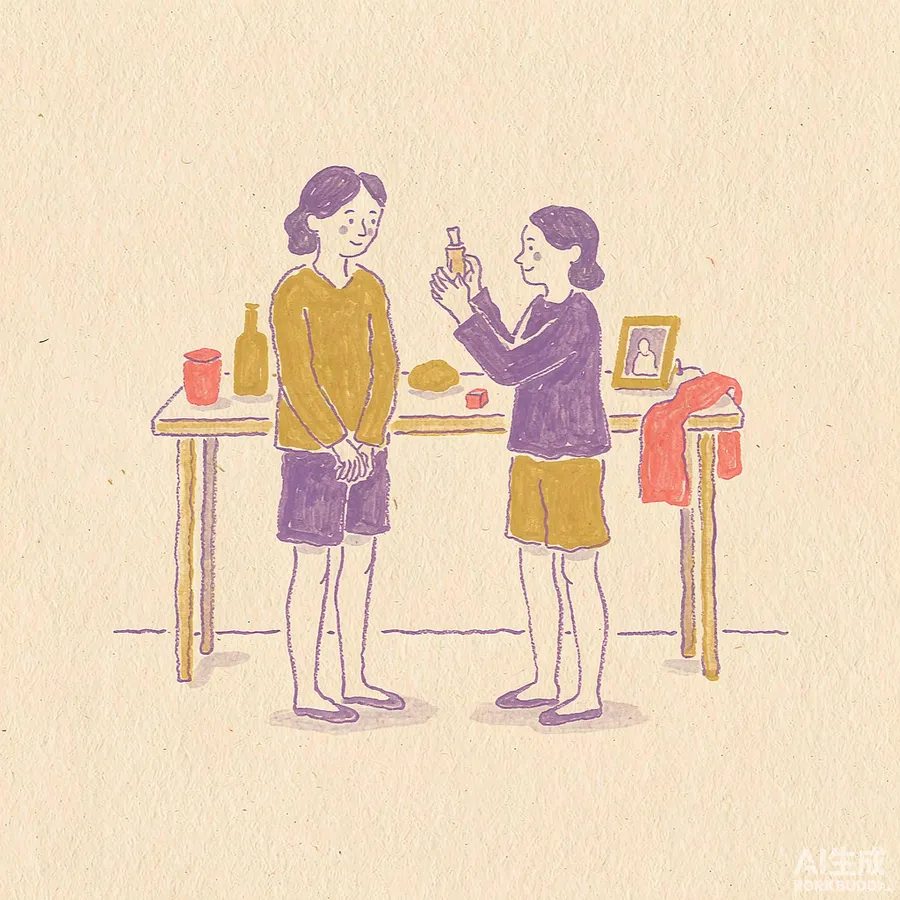
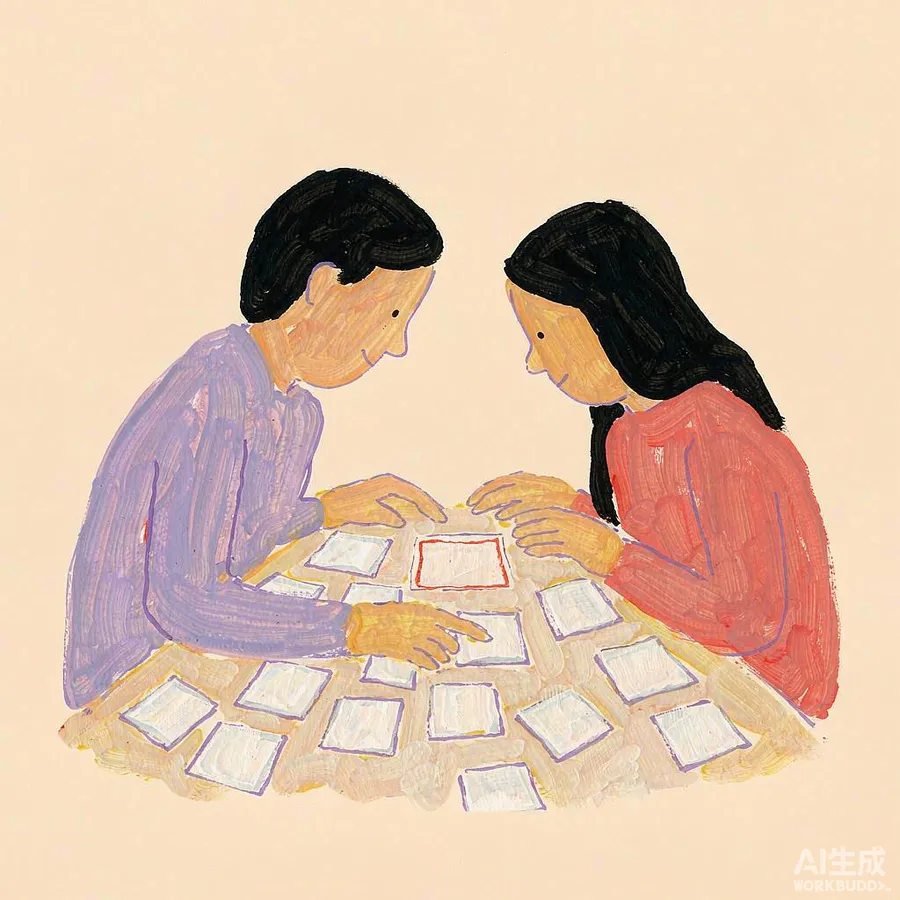
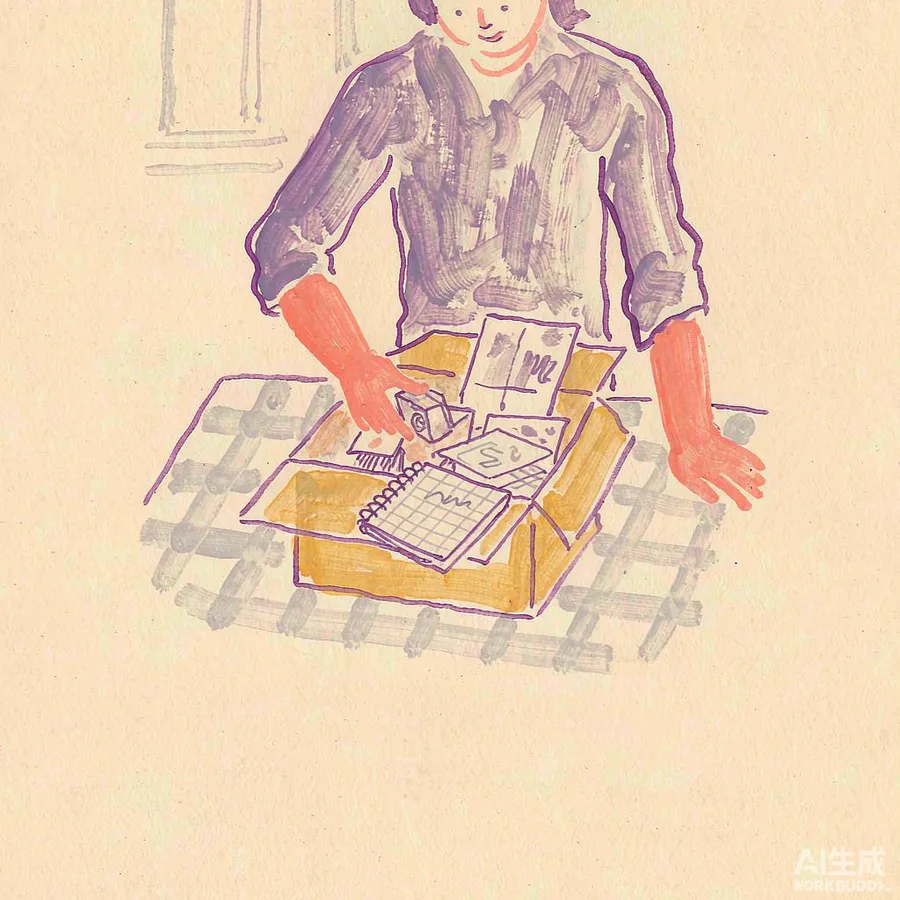
A small kit — camera, diary, cards, one odd task — left with participants for days or weeks. The material that comes back is deliberately uncontrolled, and the surprises are the finding.
Time
1-2 weeks
Group
5-15 participants
Output
Diaries photos and artefacts
Move
Understand
Run sheet
How to run it
4 steps · 1-2 weeks
- 01
Design a small kit with a camera diary or cards
- 02
Brief the participants
- 03
Let them document over several days
- 04
Review the material and probe the surprises in a follow-up
Say this
Lines you can read out as they are — no improvising under pressure.
“What did you photograph that you almost did not?”
“Which task was annoying, and why?”
“What did you leave out because it seemed too ordinary?”
Set up
Before they walk in
- □A kit small enough to carry: a phone or camera task, a few cards, a short diary
- □A briefing that says what to do and that imperfect returns are fine
- □A return date and a drop-off point
What to watch for
Signals and traps
It is working when
- the returns contain things you never asked about
It usually fails when
- the kit becomes homework and stops coming back
- the diary read as testimony rather than as material
If it stalls, or the room is the wrong size
Variations
One-week photo diary only, no writing
Leave a disposable camera and collect it
Send a single postcard task by post to older participants
Background
Where it comes from
Devised by Bill Gaver, Tony Dunne and Elena Pacenti in the late 1990s for the Presence project and taken into Kumar's 101 Design Methods. Probes were meant to provoke and inspire rather than to measure, which is why the returns are fragmentary by design.
Cautions
When it does more harm than good
- Do not treat probe returns as a dataset — they are fragments that need a follow-up conversation
- A kit that takes an hour a day comes back empty
- The people who complete it well are not a representative sample
When to use
Reach for it when…
Access is limited
You need intimate context over time
Source
Kumar, V. (2012). 101 Design Methods: A Structured Approach for Driving Innovation in Your Organization. John Wiley & Sons.
Source phase: Exploration (Kumar). Steps and the run sheet are written for this library, not quoted from the source.