User Pictures Interview
Use the participant's own images to open up their world.
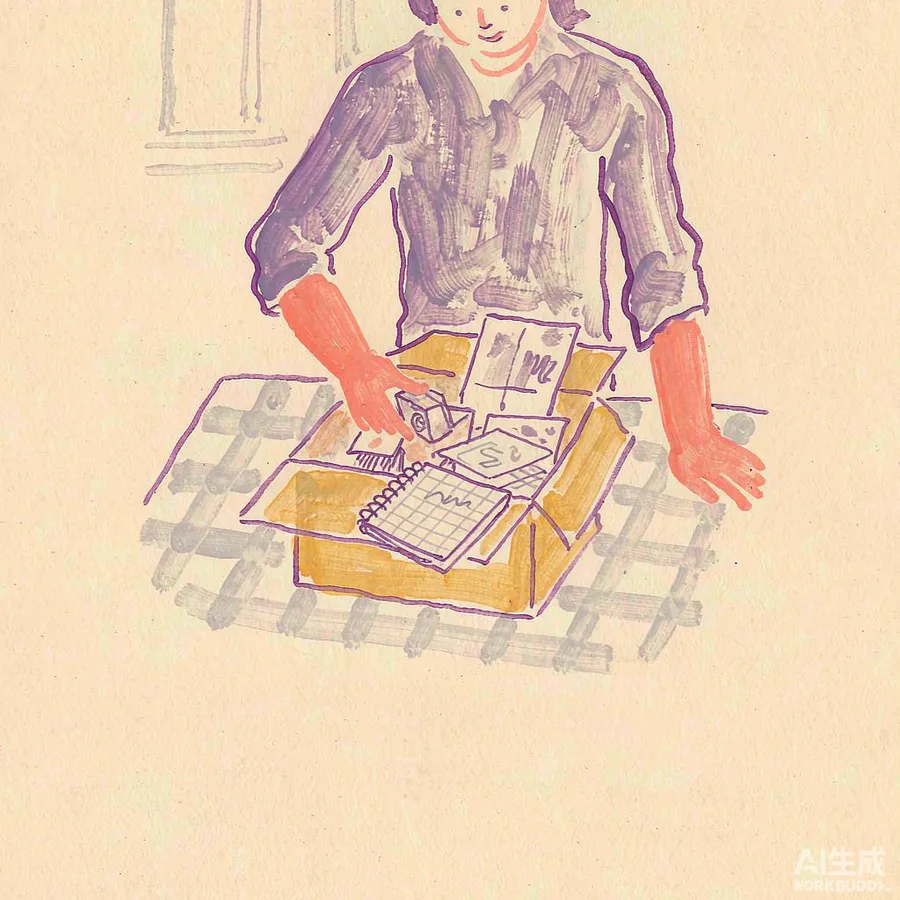
Participants bring photographs of their own context and narrate them. The images move the conversation from opinion towards evidence and give the participant something to point at.
Time
60 min
Group
1-2
Output
Image-led narratives
Move
Understand
Run sheet
How to run it
4 steps · 60 min
- 01
Ask participants to bring photos of their context
- 02
Let them narrate each image
- 03
Probe the meaning and emotion behind it
- 04
Cluster the recurring themes
Say this
Lines you can read out as they are — no improvising under pressure.
“Why this one?”
“What is happening just outside the frame?”
“Which of these would you not want a stranger to see?”
Set up
Before they walk in
- □A request sent a week ahead: five photos of your own context, phone photos are fine
- □A screen or a printout to lay the images out
- □Permission to keep copies for analysis
What to watch for
Signals and traps
It is working when
- the participant corrects your reading of their own photo
It usually fails when
- interpreting an image before its owner speaks
- stock photography instead of their own
If it stalls, or the room is the wrong size
Variations
Ask for one day, hour by hour
Take the photos together in the room with a shared phone
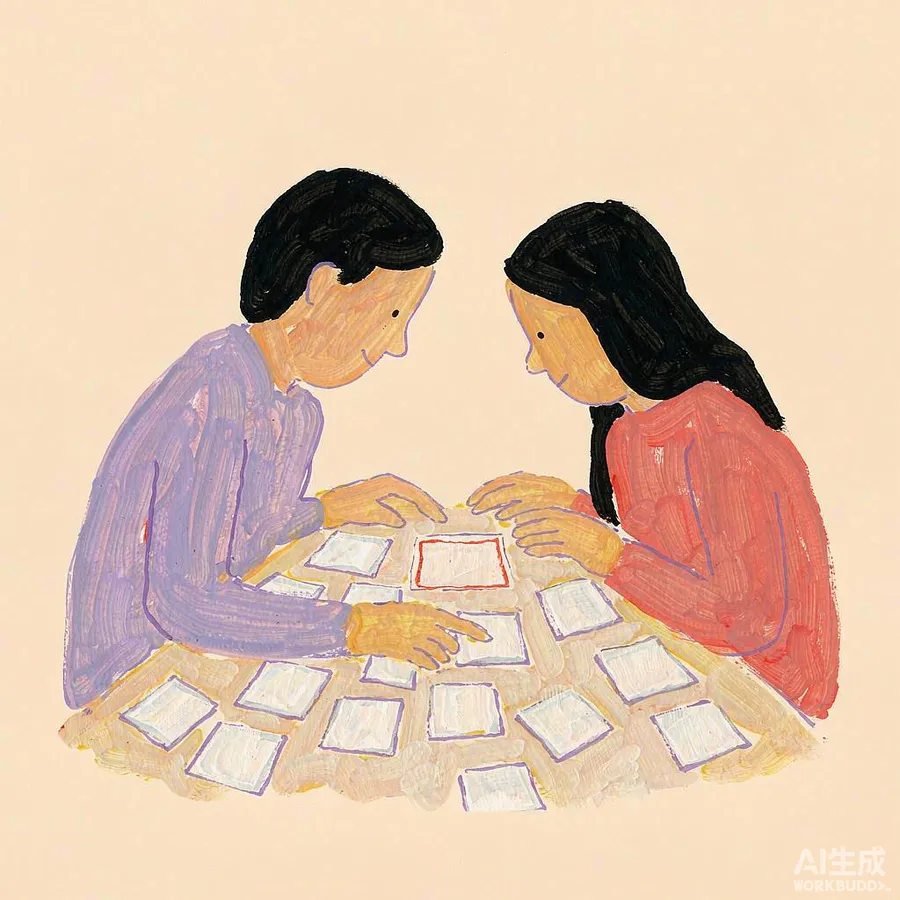
Pair two participants and let them explain each other's images
Background
Where it comes from
From Kumar's 101 Design Methods, related to photo-elicitation in visual sociology. Showing a photograph changes what people say: it anchors memory in a specific moment and gives permission to describe conditions the interview would otherwise leave abstract.
Cautions
When it does more harm than good
- Ask them to take the photos, not to bring stock images
- Do not interpret an image before its owner has
- Ten good photos beat fifty
When to use
Reach for it when…
Language is a barrier
The topic is emotional
Source
Kumar, V. (2012). 101 Design Methods: A Structured Approach for Driving Innovation in Your Organization. John Wiley & Sons.
Source phase: Exploration (Kumar). Steps and the run sheet are written for this library, not quoted from the source.