POEMS
Observe a setting through people objects environments messages and services.
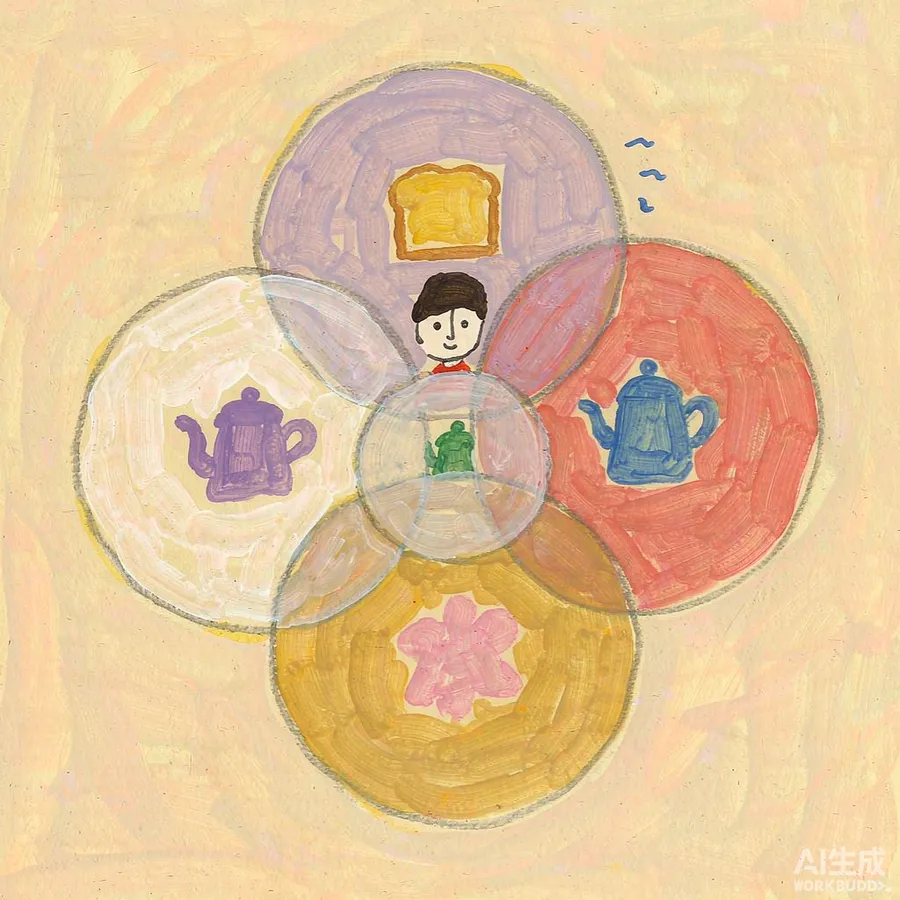
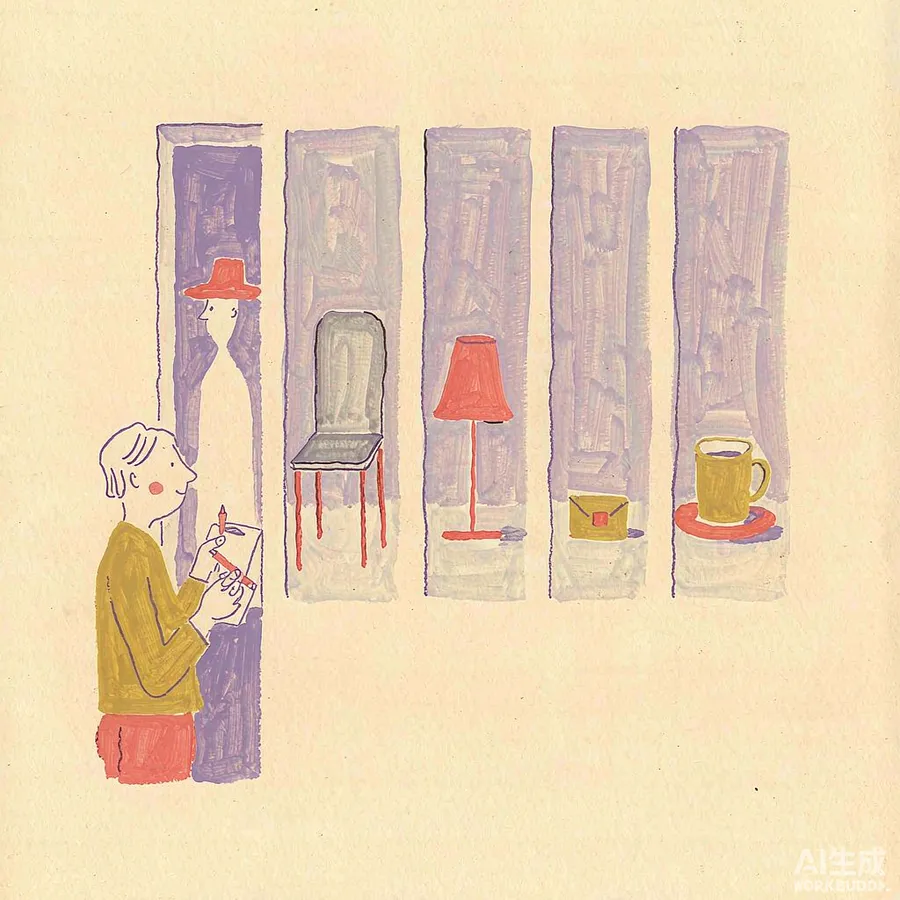
Observe a setting through five lenses — people, objects, environments, messages, services — and then look for the mismatches between them.
Time
2 hours
Group
2-4
Output
A POEMS observation sheet
Move
Understand
Run sheet
How to run it
4 steps · 2 hours
- 01
Observe the setting through the five lenses
- 02
Record each lens separately
- 03
Look for mismatches between them
- 04
Summarise the opportunities
Say this
Lines you can read out as they are — no improvising under pressure.
“Who is here, and who is conspicuously absent?”
“What do the objects say about what this place expects?”
“Which message contradicts the environment?”
Set up
Before they walk in
- □A setting to observe for at least an hour
- □A sheet with five columns: people, objects, environments, messages, services
- □A camera, used with permission
What to watch for
Signals and traps
It is working when
- two columns disagree and the disagreement is informative
It usually fails when
- writing down only what you came to look for
- inference in the observation column
If it stalls, or the room is the wrong size
Variations
Practise in a place unrelated to your project
Have two observers fill it in separately and compare
Repeat at a different time of day
Background
Where it comes from
From Kumar's 101 Design Methods. POEMS is a structuring device for a first visit: it stops an observer from writing down only what they came to see, and the mismatches between lenses are where the useful questions are.
Cautions
When it does more harm than good
- Use it on a first visit, not as the only method
- Notes per lens must be observations, not inferences
- The mismatches are the output, so a tidy sheet with no contradiction has not been used
When to use
Reach for it when…
A first field visit
You want a structured observation lens
Source
Kumar, V. (2012). 101 Design Methods: A Structured Approach for Driving Innovation in Your Organization. John Wiley & Sons.
Source phase: Exploration (Kumar). Steps and the run sheet are written for this library, not quoted from the source.