Usability Test (Five-Act Interview)
Watch five users attempt real tasks with the prototype.
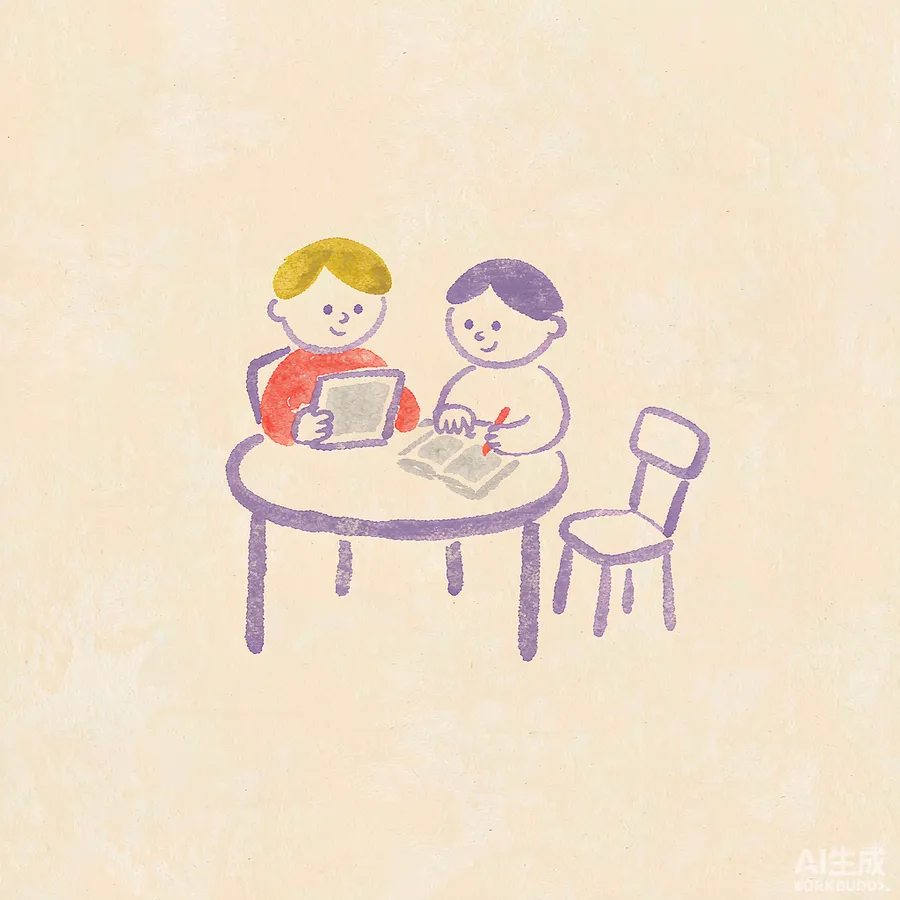
Five interviews in one day, structured as five acts: a friendly welcome, context questions, introducing the prototype, task-based use, and a debrief. Behaviour is watched, not opinions collected.
Time
1 day
Group
2-3
Output
Usability findings with evidence
Move
Prototype
Run sheet
How to run it
4 steps · 1 day
- 01
Recruit five representative users
- 02
Brief without teaching
- 03
Run the five-act interview
- 04
Observe and synthesise the patterns
Say this
Lines you can read out as they are — no improvising under pressure.
“Tell me about the last time you did something like this”
“What are you looking at now?”
“What did you expect when you tapped that?”
Set up
Before they walk in
- □Five participants recruited by behaviour
- □A room, a link and one note-taker per session
- □A script with the five acts written out
What to watch for
Signals and traps
It is working when
- the participant struggles and apologises, which is the finding
It usually fails when
- explaining the prototype when it embarrasses you
- asking whether they liked it
If it stalls, or the room is the wrong size
Variations
Two observers comparing notes after each session
Run all five in one day and synthesise the same evening
Run one rehearsal session with a colleague
Background
Where it comes from
From Sprint, drawing on decades of moderated usability practice and on Jakob Nielsen's finding that five users surface most serious problems. The five-act structure exists to stop the interviewer from teaching the participant.
Cautions
When it does more harm than good
- Do not explain the prototype, even when it is embarrassing
- Ask people to think aloud, then stay quiet
- Five users find problems, not prevalence
When to use
Reach for it when…
You are validating a prototype
You need behavioural evidence
Source
Knapp, J., Zeratsky, J., & Kowitz, B. (2016). Sprint. Simon & Schuster.
Source phase: My methods (Kumar). Steps and the run sheet are written for this library, not quoted from the source.