Improv Prototyping
Act out a solution to discover what it needs.
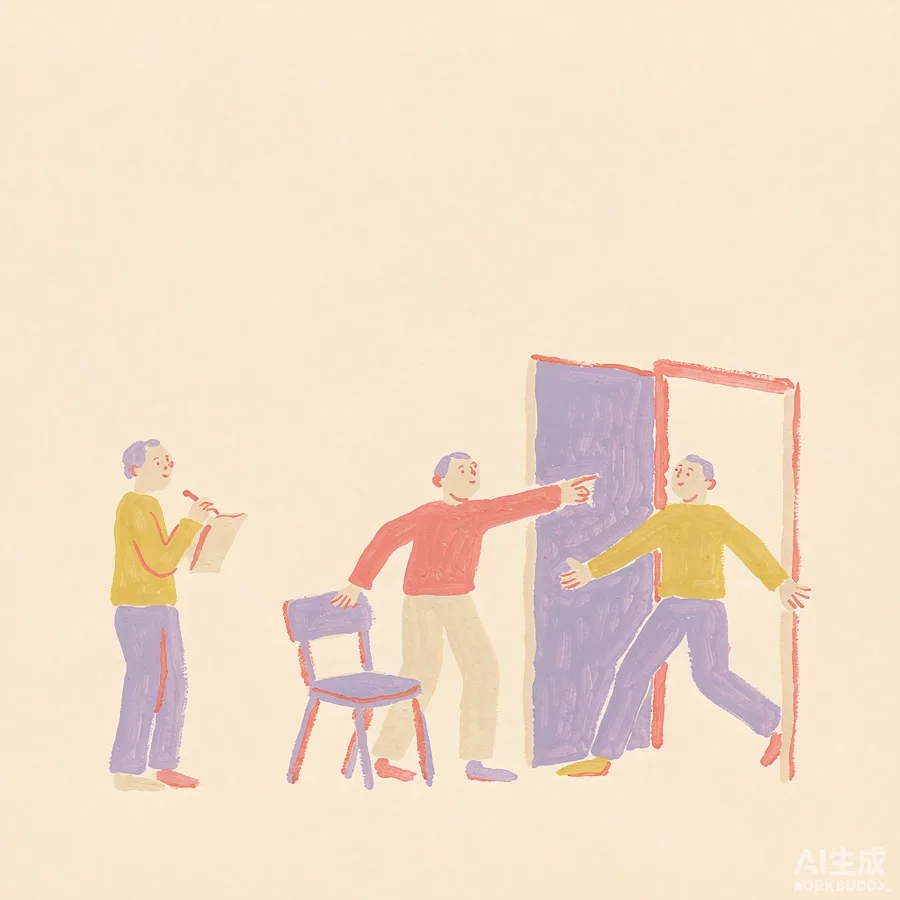
A service interaction acted out without a script, with people in role. It tests the human parts of a service that paper prototypes leave out.
Time
45-60 min
Group
4-12
Output
Embodied prototype insights
Move
Prototype
Run sheet
How to run it
4 steps · 45-60 min
- 01
Choose a scenario
- 02
Assign roles
- 03
Act it out without a script
- 04
Capture what the scene revealed
Say this
Lines you can read out as they are — no improvising under pressure.
“Play it straight, with no jokes and behaving like a real user would”
“Stop: what did the scene reveal that the concept assumed wrongly?”
“Replay the same scene with the fix applied”
Set up
Before they walk in
- □A scene agreed in one sentence
- □One person playing the user and one playing the system or the staff
- □A stop signal everyone knows
What to watch for
Signals and traps
It is working when
- the scene surfaces an emotional beat the concept ignored
It usually fails when
- participants improvise a perfect world where nothing fails
- the scene drifts off-topic because the stop signal comes too late
If it stalls, or the room is the wrong size
Variations
Two teams play the same scene and compare
Play the worst-case customer instead of the typical one
Use it to rehearse a difficult conversation, not only a product flow
Background
Where it comes from
From Liberating Structures. Improvisation surfaces the awkward moments — what the staff member says when the system is down, where the customer does not know what to do next — that a flow diagram cannot represent.
Cautions
When it does more harm than good
- No script, but a clear scenario and roles
- Someone records the moments that felt wrong
- Debrief the feelings, not the acting
When to use
Reach for it when…
A service interaction needs testing
Paper prototypes are too static
Source
Lipmanowicz, H., & McCandless, K. (2013). The Surprising Power of Liberating Structures.
Source phase: My methods (Kumar). Steps and the run sheet are written for this library, not quoted from the source.