Helping Heuristics
Improve how people ask for and give help.
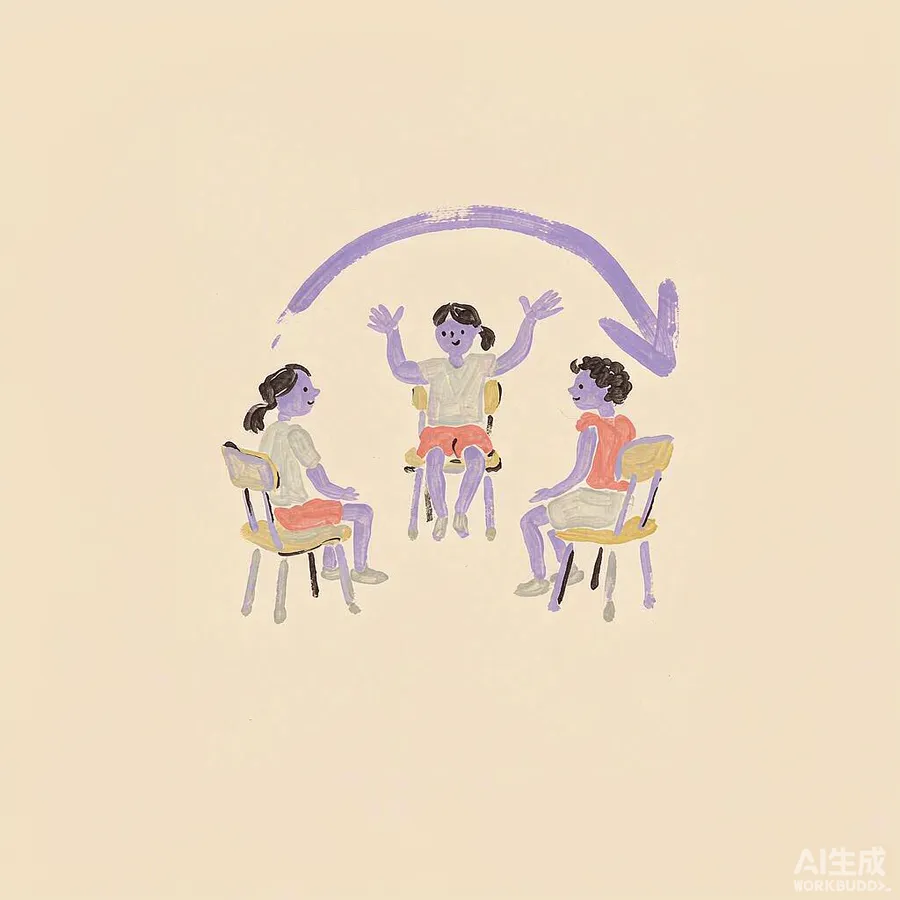
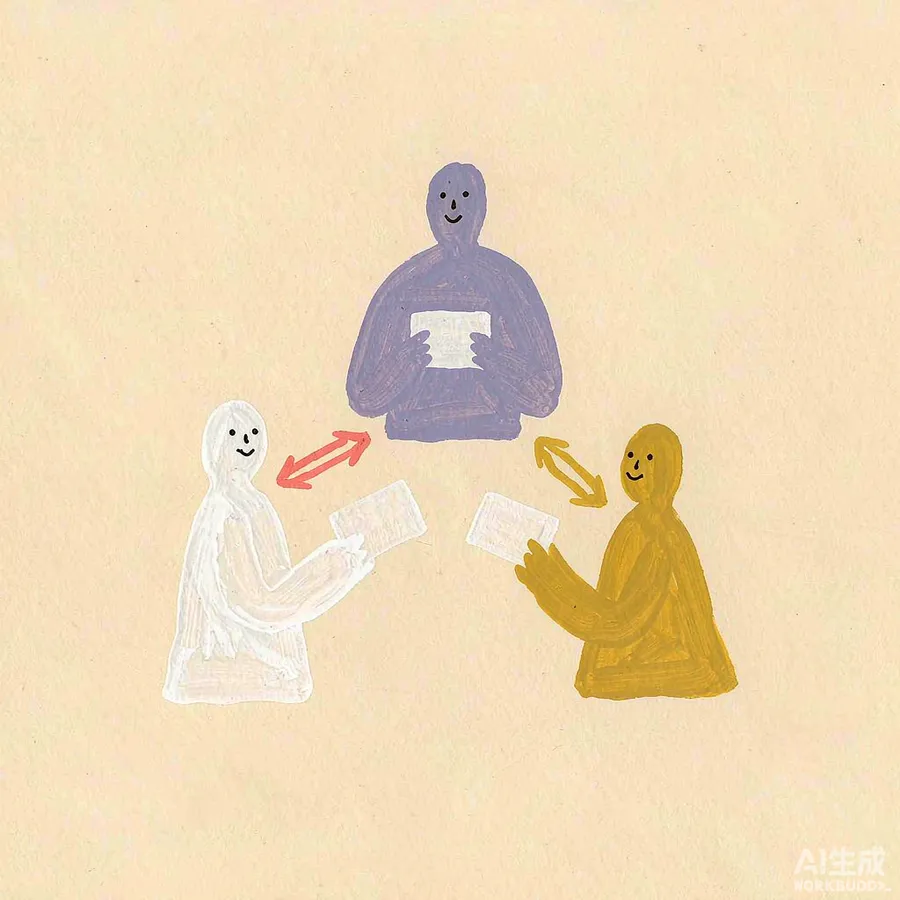
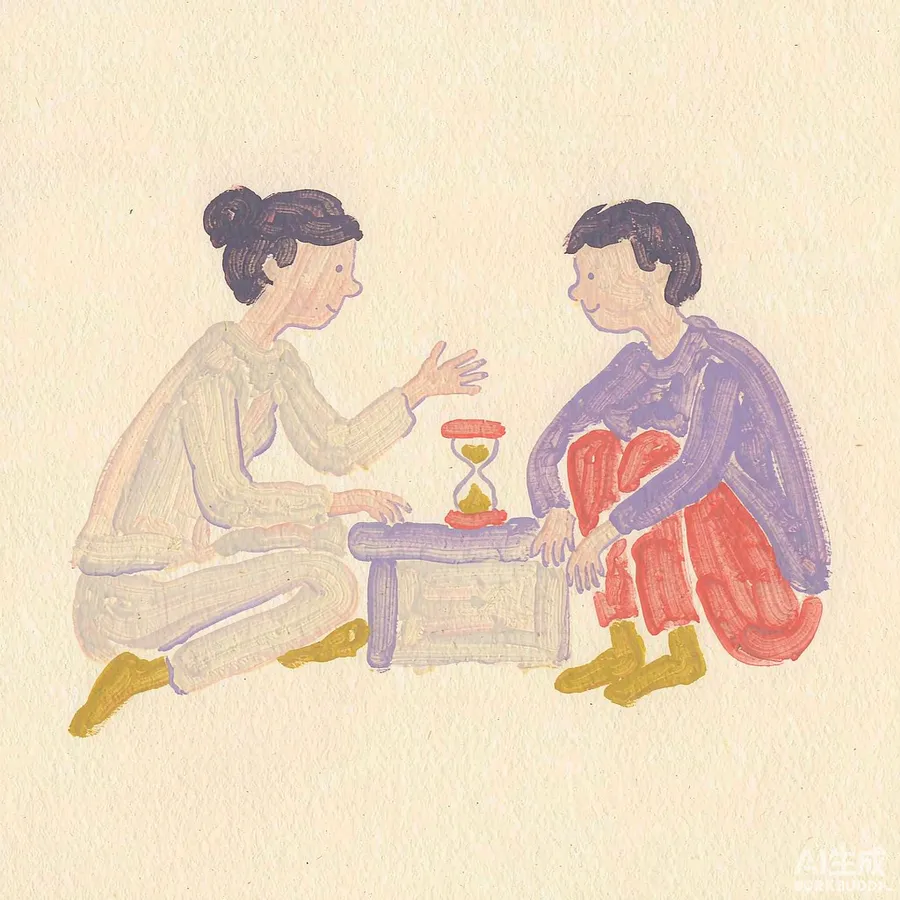
A helping conversation role-played with pauses, so the group can see which moves helped and which ones judged. The output is a short set of agreed behaviours for giving help.
Time
45-60 min
Group
4-12
Output
Better helping behaviours
Move
Decide
Run sheet
How to run it
4 steps · 45-60 min
- 01
Role-play a helping conversation
- 02
Pause at key moments
- 03
Discuss what helped or hindered
- 04
Agree better heuristics
Say this
Lines you can read out as they are — no improvising under pressure.
“What did the helper do just before the other person opened up?”
“What closed the conversation down?”
“What would you want done differently in their place?”
Set up
Before they walk in
- □Pairs or trios with a real, small problem
- □A facilitator who pauses the conversation at set moments
- □A flipchart for the behaviours observed
What to watch for
Signals and traps
It is working when
- someone notices they were about to give advice and stops
It usually fails when
- the role-play becomes a real counselling session
- heuristics too abstract to apply
If it stalls, or the room is the wrong size
Variations
Record two minutes and watch it back
Each pair writes one heuristic and the group merges them
Practise one heuristic for a whole meeting
Background
Where it comes from
From Liberating Structures. Its premise is that most unhelpful help is well-intentioned: advice offered too early, empathy that becomes a story about the helper, questions that are really suggestions.
Cautions
When it does more harm than good
- Pause often enough to notice or it becomes a normal conversation
- Name behaviours, not personalities
- Keep the heuristics to three or four people can remember
When to use
Reach for it when…
Help is offered badly
People feel judged
Source
Lipmanowicz, H., & McCandless, K. (2013). The Surprising Power of Liberating Structures.
Source phase: My methods (Kumar). Steps and the run sheet are written for this library, not quoted from the source.