Troika Consulting
Get practical help from peers in rotating trios.
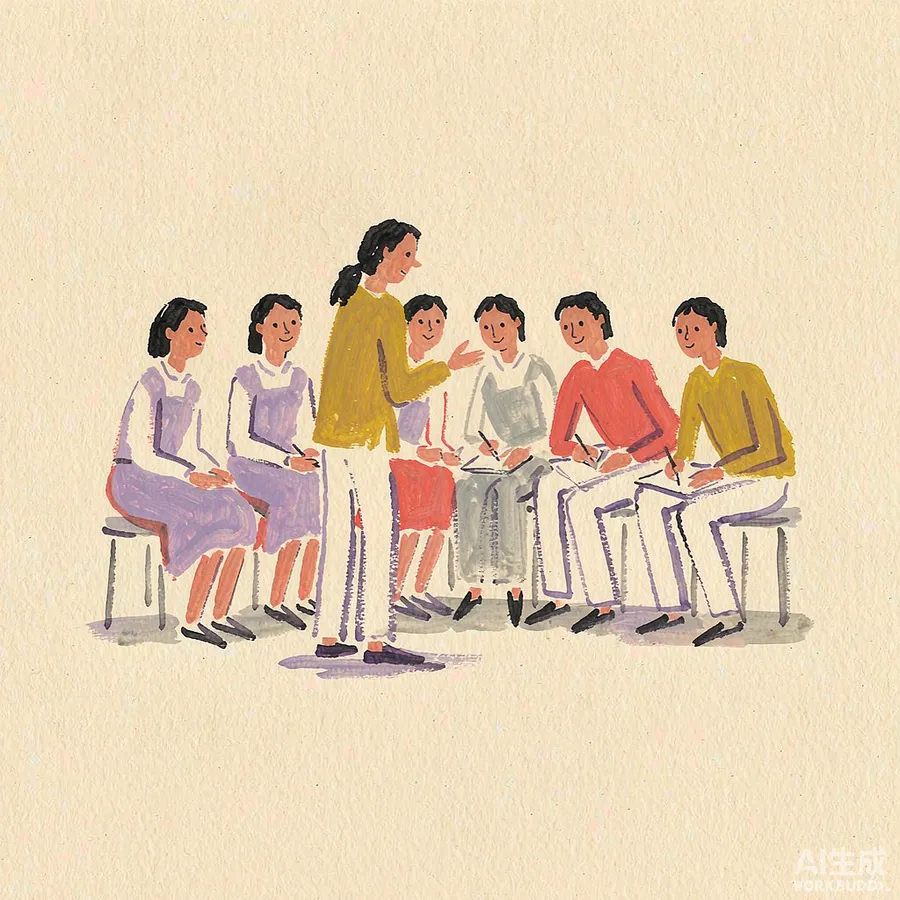
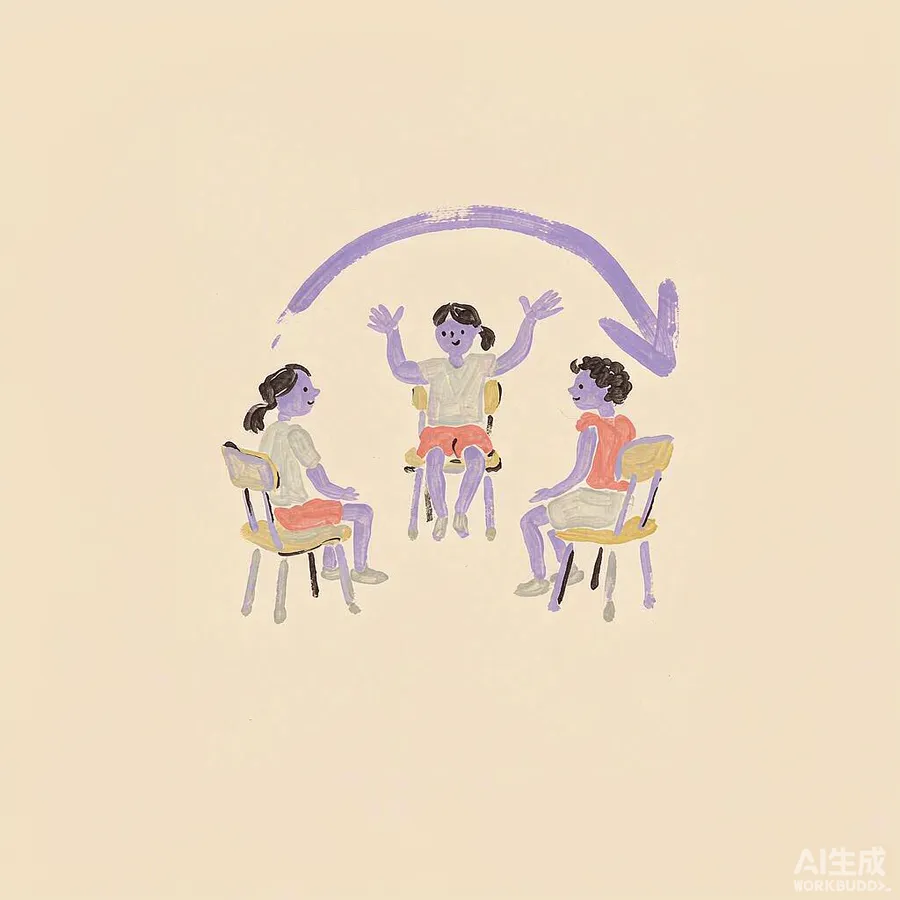
Trios: one person describes a real challenge, the other two ask questions and offer ideas, then rotate until everyone has been the client. It is peer consulting without an expert.
Time
30-45 min
Group
3-12
Output
Practical next steps for each person
Move
Decide
Run sheet
How to run it
4 steps · 30-45 min
- 01
Form trios
- 02
One client describes the challenge
- 03
Consultants ask questions and offer ideas
- 04
Rotate so everyone is client
Say this
Lines you can read out as they are — no improvising under pressure.
“Client: what have you tried?”
“Consultants: what are we assuming about this?”
“Client: what will you do next?”
Set up
Before they walk in
- □Trios, mixed by role
- □A real challenge per person, described in two minutes
- □A timer per round
What to watch for
Signals and traps
It is working when
- the client hears a question nobody had asked them
It usually fails when
- consultants advising before understanding
- one client dominating all three rounds
If it stalls, or the room is the wrong size
Variations
Rotate twice so each person is client once
Add a silent minute for writing before advice
Run it online in breakout trios
Background
Where it comes from
From Liberating Structures. The rotation is what makes it work: everyone gives advice and everyone receives it, which stops the group settling into one person's problem and one person's expertise.
Cautions
When it does more harm than good
- The client speaks first and last and does not defend
- Consultants ask before they advise
- Time each round or the first client takes the whole session
When to use
Reach for it when…
You need help now
An expert is not available
Source
Lipmanowicz, H., & McCandless, K. (2013). The Surprising Power of Liberating Structures.
Source phase: My methods (Kumar). Steps and the run sheet are written for this library, not quoted from the source.