Wise Crowds
Give one person the focused attention of a consulting group.
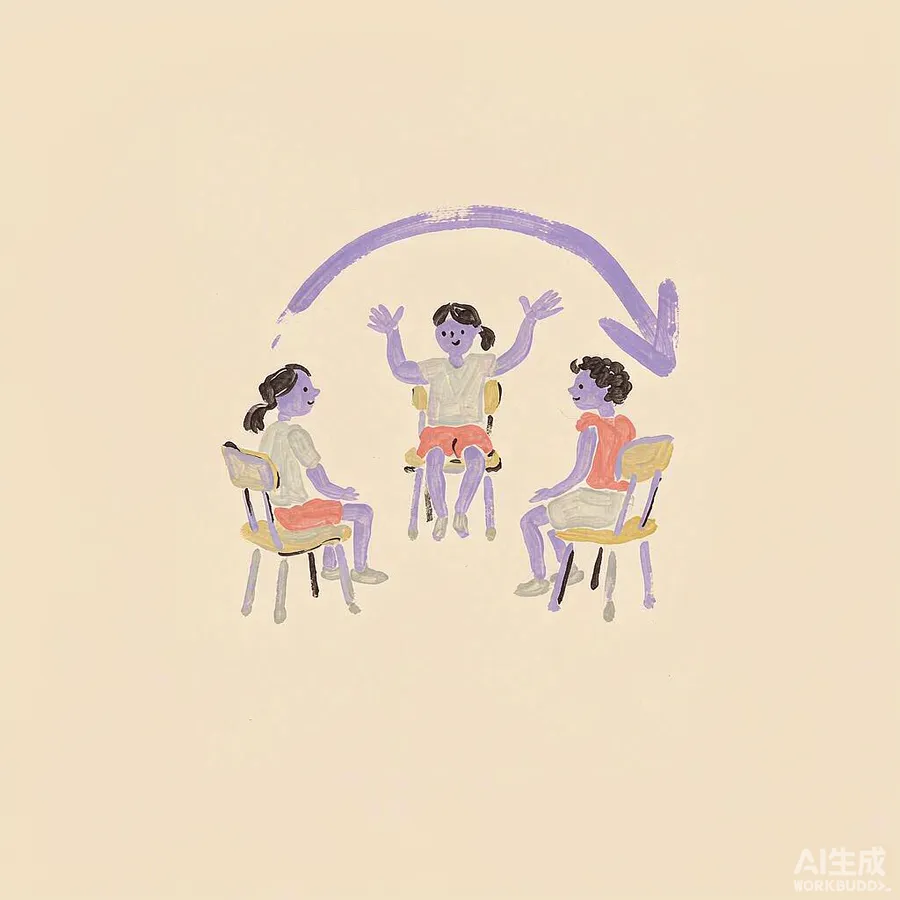
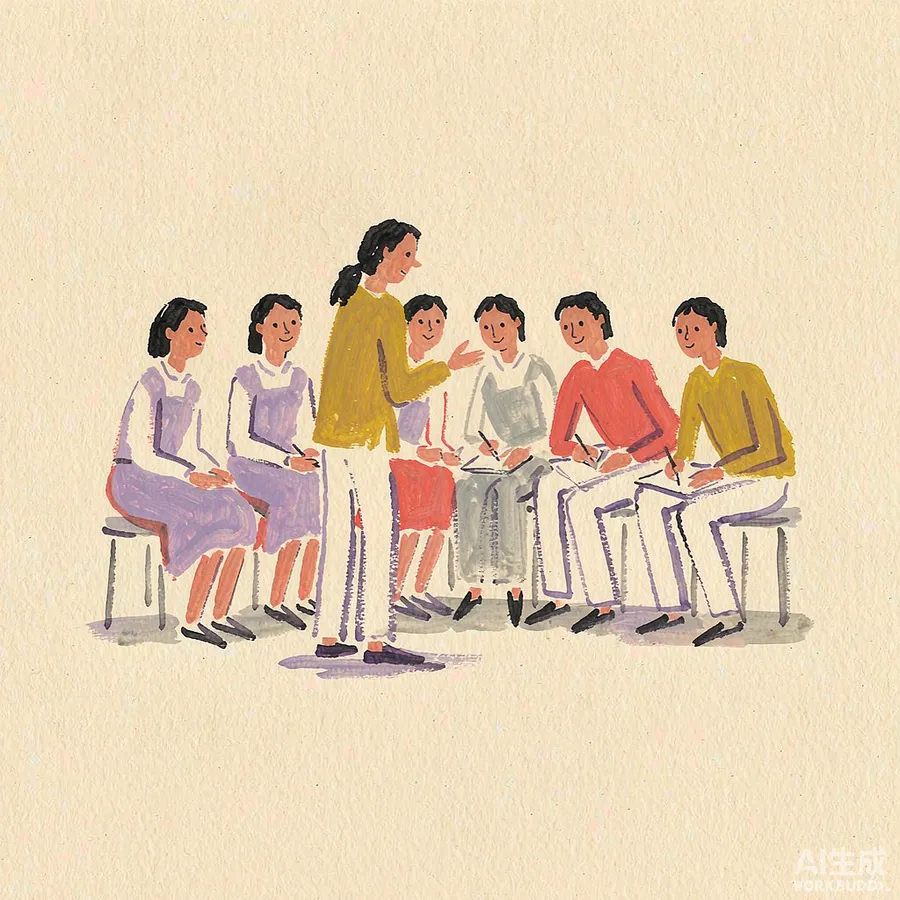
One person presents a real dilemma to a group that asks clarifying questions and offers observations and options, then hears the person say what they will actually use.
Time
45-60 min
Group
6-12
Output
Options and a decision for the client
Move
Decide
Run sheet
How to run it
4 steps · 45-60 min
- 01
The client presents the challenge
- 02
The group asks clarifying questions
- 03
The group offers observations and options
- 04
The client reflects back what they will use
Say this
Lines you can read out as they are — no improvising under pressure.
“Client: what is the decision you are facing?”
“Group: what would have to be true for that to work?”
“Client: what will you take from this?”
Set up
Before they walk in
- □One client with a real dilemma and a time limit
- □A group of six to eight in a semicircle
- □A note-taker for the options offered
What to watch for
Signals and traps
It is working when
- the client names an option nobody offered
It usually fails when
- advice during the clarifying phase
- the group converging on one answer
If it stalls, or the room is the wrong size
Variations
Two clients in one session with separate rounds
Silent written options before discussion
Follow up on the client's decision a week later
Background
Where it comes from
From Liberating Structures. The final step is the mechanism: the client is not asked to agree with the group but to state what they take away, which keeps ownership with the person who has to act.
Cautions
When it does more harm than good
- Clarifying questions only, no advice during that phase
- The client speaks last, not during
- If the group offers one solution it has stopped being a crowd
When to use
Reach for it when…
A decision needs many perspectives
The person is isolated
Source
Lipmanowicz, H., & McCandless, K. (2013). The Surprising Power of Liberating Structures.
Source phase: My methods (Kumar). Steps and the run sheet are written for this library, not quoted from the source.