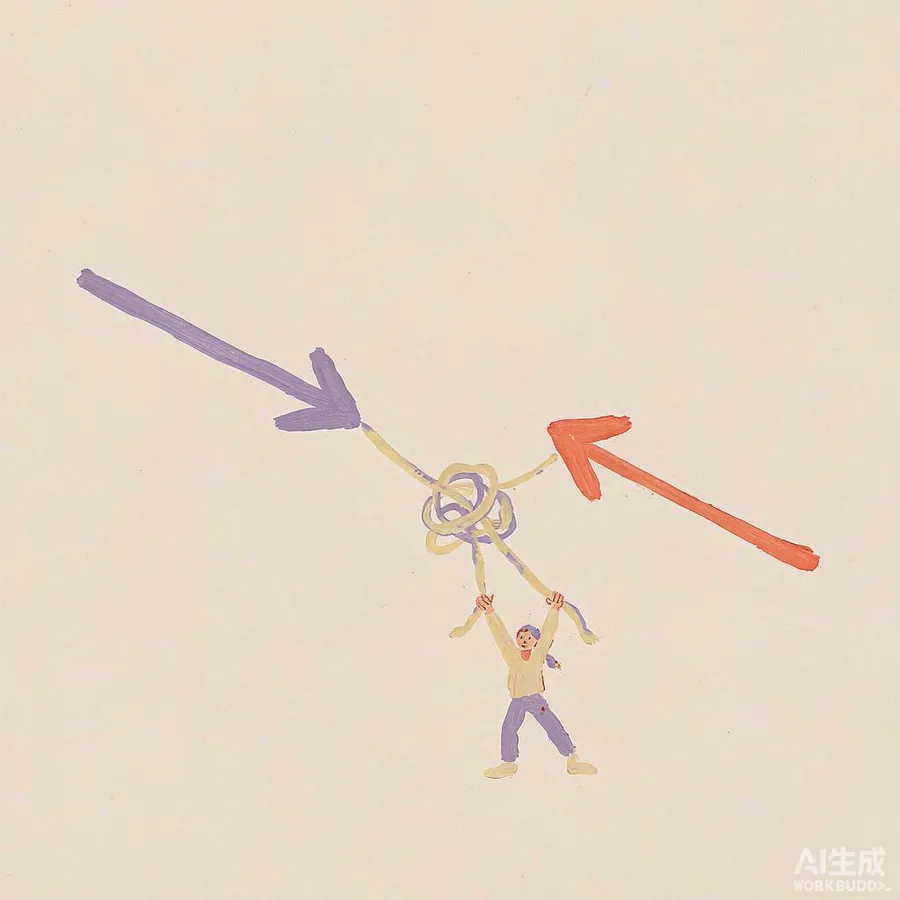
Critical Uncertainties
Plan for the uncertainties that matter most.
Two uncertainties that are both important and genuinely unpredictable, used to build four scenarios and the responses each would require.

Time
2-3 hours
Group
4-12
Output
Scenarios and response options
Move
Decide
Run sheet
How to run it
4 steps · 2-3 hours
- 01
List the uncertainties
- 02
Rate importance and unpredictability
- 03
Choose the two critical ones
- 04
Build scenarios and responses
Say this
Lines you can read out as they are — no improvising under pressure.
“Which uncertainty would make our plan irrelevant if it resolved the other way?”
“Which of these is merely unknown to us?”
“What would we do in each world?”
Set up
Before they walk in
- □A long list of uncertainties
- □Two ratings for each: importance and unpredictability
- □A four-quadrant grid for the two chosen
What to watch for
Signals and traps
It is working when
- the two axes produce a world nobody wanted to discuss
It usually fails when
- choosing uncertainties that are merely unfamiliar
- four descriptions and no responses
If it stalls, or the room is the wrong size
Variations
Build the scenarios as headlines from the future
Assign a response owner per world
Review which world is emerging every quarter
Background
Where it comes from
From Liberating Structures, in the scenario-planning tradition. Choosing two axes rather than one keeps the futures from collapsing into optimism and pessimism.
Cautions
When it does more harm than good
- Rate importance and unpredictability separately
- Two axes, four worlds
- Each world needs a response, not a description
When to use
Reach for it when…
The future is volatile
A single plan is fragile
Source
Lipmanowicz, H., & McCandless, K. (2013). The Surprising Power of Liberating Structures.
Source phase: My methods (Kumar). Steps and the run sheet are written for this library, not quoted from the source.