What, So What, Now What?
Turn an experience into meaning and next actions.
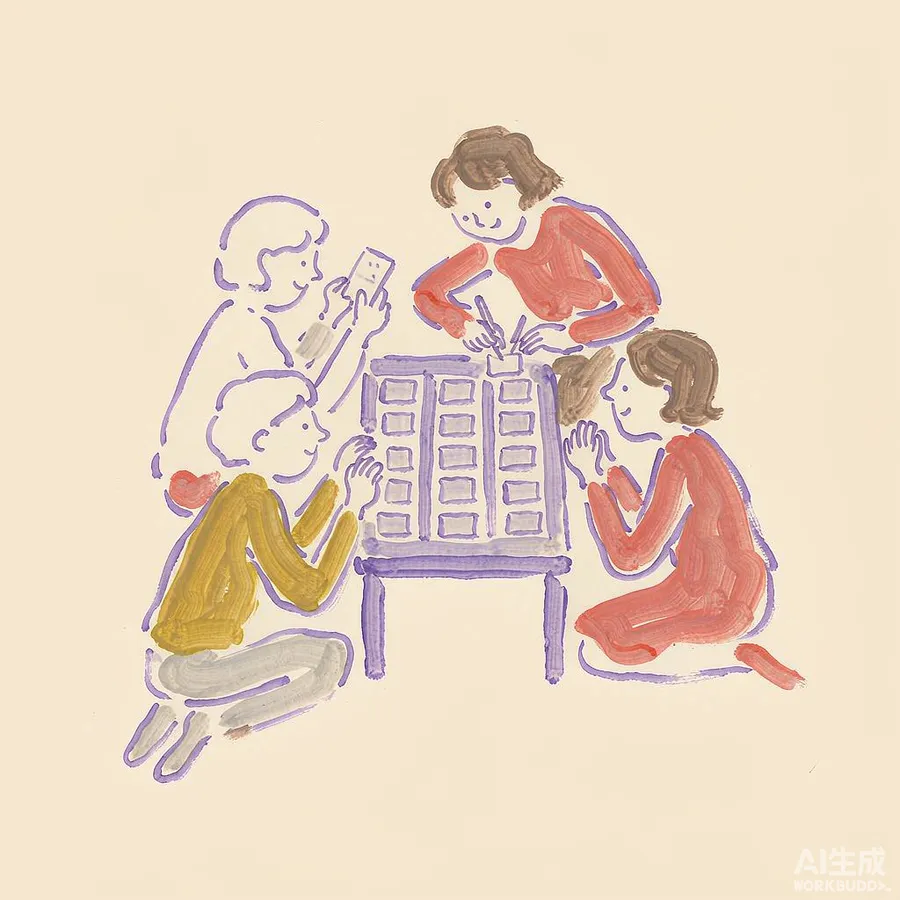
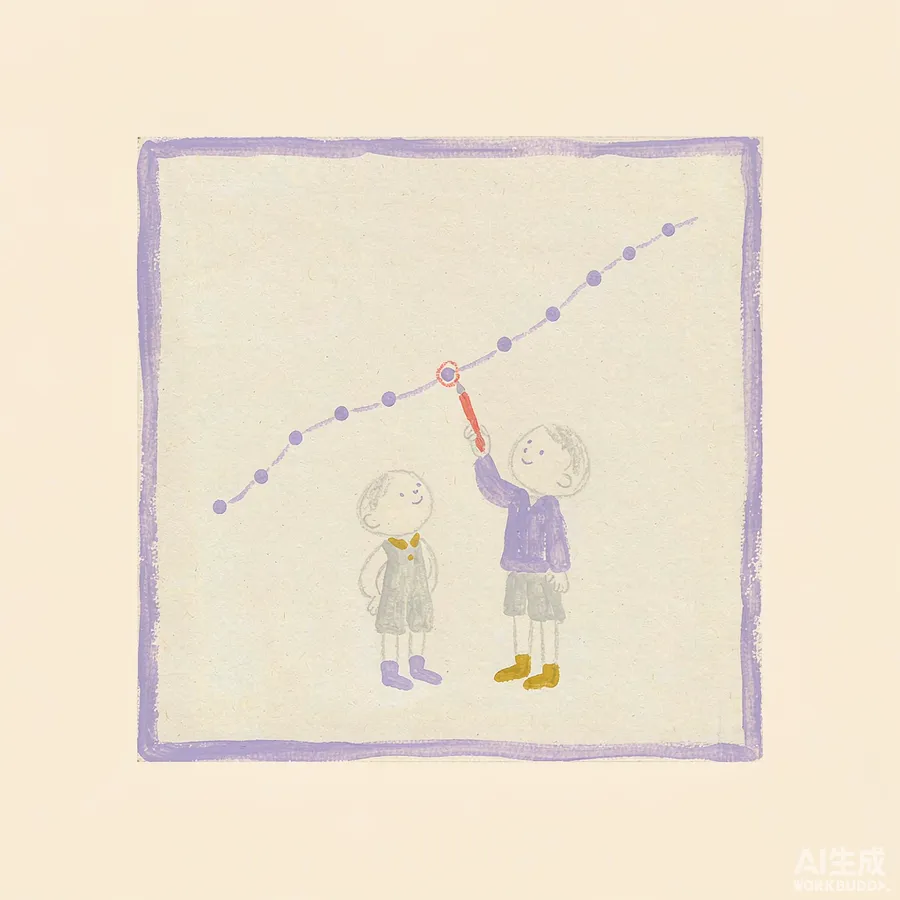
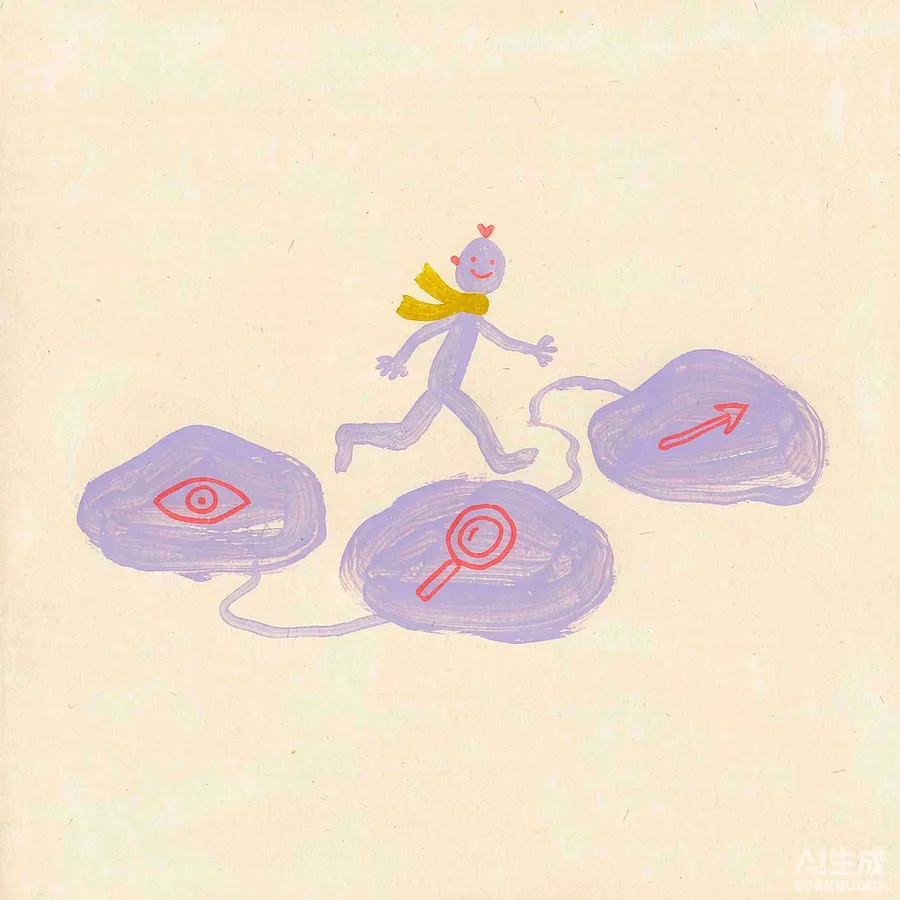
Three questions asked in order after an event: what happened, what does it mean, what will we do now. The order stops the group jumping to fixes.
Time
45-60 min
Group
4-12
Output
Shared meaning and next actions
Move
Synthesize
Run sheet
How to run it
4 steps · 45-60 min
- 01
Describe what happened
- 02
Interpret so what it means
- 03
Decide now what to do
- 04
Assign the next step
Say this
Lines you can read out as they are — no improvising under pressure.
“What happened, in order, without interpretation?”
“What does that mean, and what else could it mean?”
“What will we do now, and who owns it?”
Set up
Before they walk in
- □A recent event everyone attended
- □Three columns on a wall
- □A timer per phase
What to watch for
Signals and traps
It is working when
- the group produces two competing interpretations at the so-what stage
It usually fails when
- jumping to fixes in the first minute
- now-what producing a list of ten actions
If it stalls, or the room is the wrong size
Variations
Run each phase in a different group and compare
Do it in writing, silently, then merge
Use it after a failed launch
Background
Where it comes from
From Liberating Structures. Most groups skip from observation to action because action feels productive, which is how the same problem gets a new solution every quarter.
Cautions
When it does more harm than good
- Keep the three phases separate and timed
- So what needs at least two competing interpretations
- Now what produces one action, not a list
When to use
Reach for it when…
After a launch or a sprint
The team is jumping to fixes
Source
Lipmanowicz, H., & McCandless, K. (2013). The Surprising Power of Liberating Structures.
Source phase: My methods (Kumar). Steps and the run sheet are written for this library, not quoted from the source.