Social Network Webbing
Map the network and decide who to connect next.
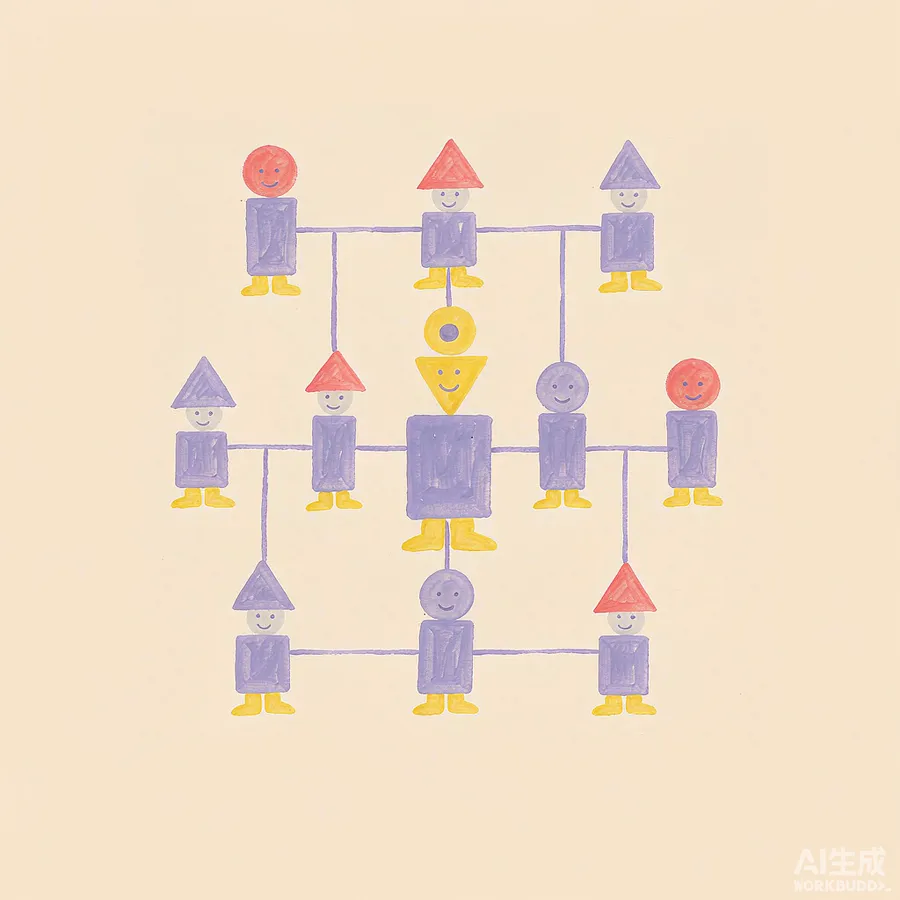
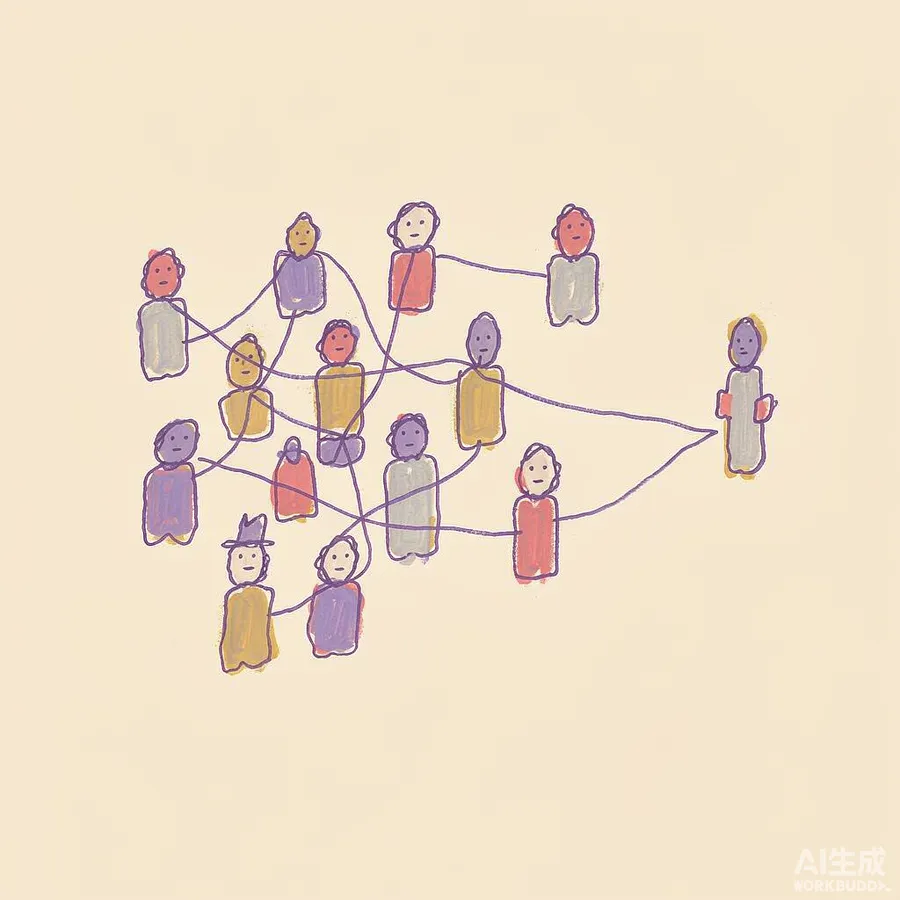
A map of who knows whom, so that the isolated and the connectors become visible before the next invitation list is drawn.
Time
90 min
Group
4-12
Output
A network map and invitation plan
Move
Synthesize
Run sheet
How to run it
4 steps · 90 min
- 01
List the people involved
- 02
Map who knows whom
- 03
Identify the isolated and the connectors
- 04
Agree who to invite in
Say this
Lines you can read out as they are — no improvising under pressure.
“Who talks to whom about this work?”
“Who is isolated but affected?”
“Which gap, if bridged, would change the conversation?”
Set up
Before they walk in
- □A list of everyone involved, on cards
- □A large sheet for drawing edges
- □A plan for who to invite next
What to watch for
Signals and traps
It is working when
- an isolated group turns out to hold the missing perspective
It usually fails when
- mapping the formal org chart
- edges assumed rather than asked about
If it stalls, or the room is the wrong size
Variations
Ask three people to draw the network separately and overlay
Map the network around one decision
Invite across the widest gap deliberately
Background
Where it comes from
From Liberating Structures. Participation problems are usually network problems: the same people attend because the invitation follows the same edges.
Cautions
When it does more harm than good
- Draw the actual edges, from asking people
- Name who is isolated and who bridges
- Invite across a gap rather than into the centre
When to use
Reach for it when…
You need to scale participation
The same people always attend
Source
Lipmanowicz, H., & McCandless, K. (2013). The Surprising Power of Liberating Structures.
Source phase: My methods (Kumar). Steps and the run sheet are written for this library, not quoted from the source.