TRIZ
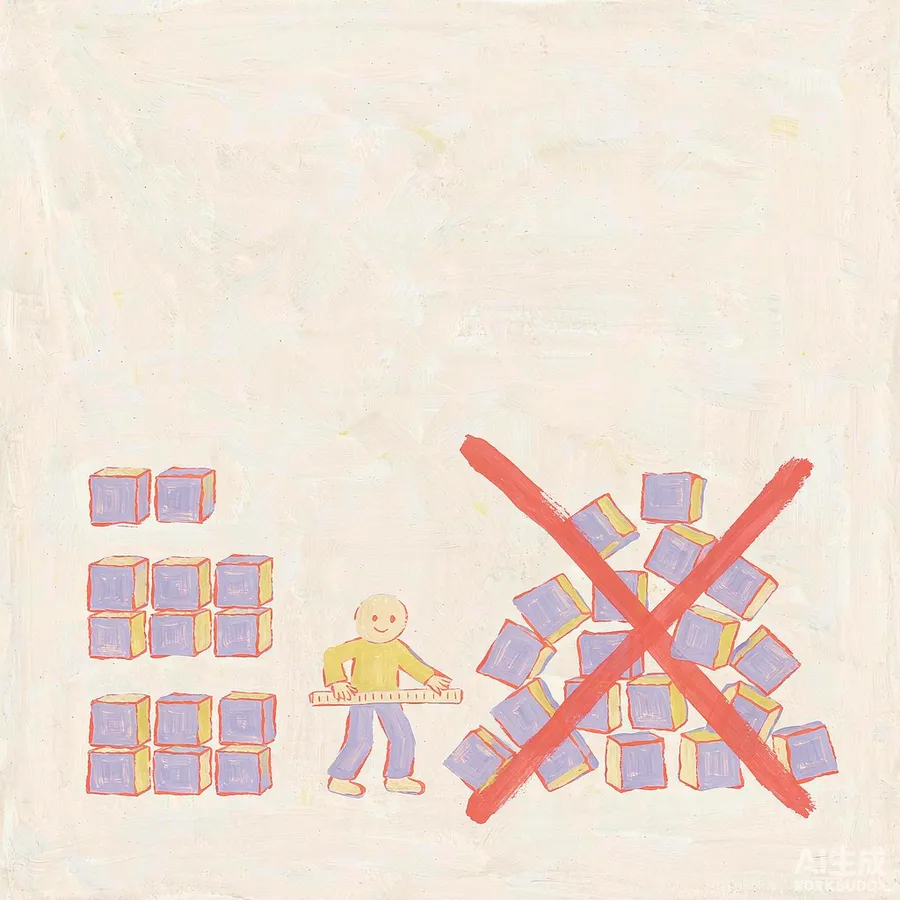
List what you must stop doing by designing the worst possible practice.
The group first designs how to guarantee the worst possible outcome, then lists which of those behaviours it already practises and stops some of them. The output is a stop-doing list, not a new initiative.

Time
60 min
Group
4-12
Output
A stop-doing list
Move
Frame
Run sheet
How to run it
4 steps · 60 min
- 01
Ask what would guarantee failure
- 02
List the behaviours that produce it
- 03
Compare with current practice
- 04
Stop doing what matches
Say this
Lines you can read out as they are — no improvising under pressure.
“How would we make this fail completely, on purpose?”
“Which of these are we already doing, even slightly?”
“What are we willing to stop in the next month?”
Set up
Before they walk in
- □A flip chart headed how to guarantee failure
- □Permission to be negative stated out loud
- □A second column for what we currently do
What to watch for
Signals and traps
It is working when
- laughter first, then an uncomfortable silence as people recognise themselves
It usually fails when
- the list targets other teams rather than this room
- nobody commits to stopping anything
If it stalls, or the room is the wrong size
Variations
Run it before planning, not after
Score each behaviour by what it costs you
Follow with min specs to define what replaces it
Background
Where it comes from
Adapted from Altshuller's TRIZ into a Liberating Structures format. The inversion works because people describe failure more fluently than success, and because it legitimises criticising current practice.
Cautions
When it does more harm than good
- Only useful if the team can actually stop something — otherwise it breeds cynicism
- Do not let it become a complaint session about other departments
- Choose two or three behaviours to stop, not fifteen
When to use
Reach for it when…
The group keeps adding instead of removing
Constraints are ignored
Source
Lipmanowicz, H., & McCandless, K. (2013). The Surprising Power of Liberating Structures.
Source phase: My methods (Kumar). Steps and the run sheet are written for this library, not quoted from the source.