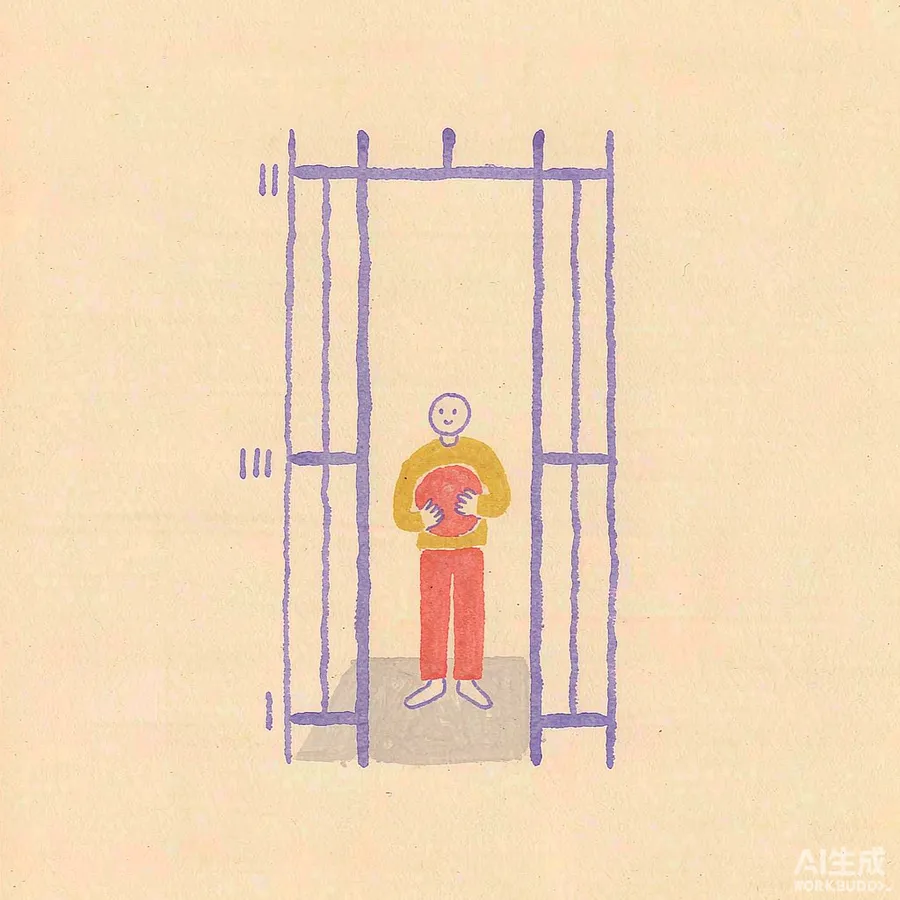
Min Specs
Specify only the constraints that must never be violated.
The group defines the minimum that must be in place for the work to succeed, and by implication everything that is optional. The output is a short list of non-negotiables.
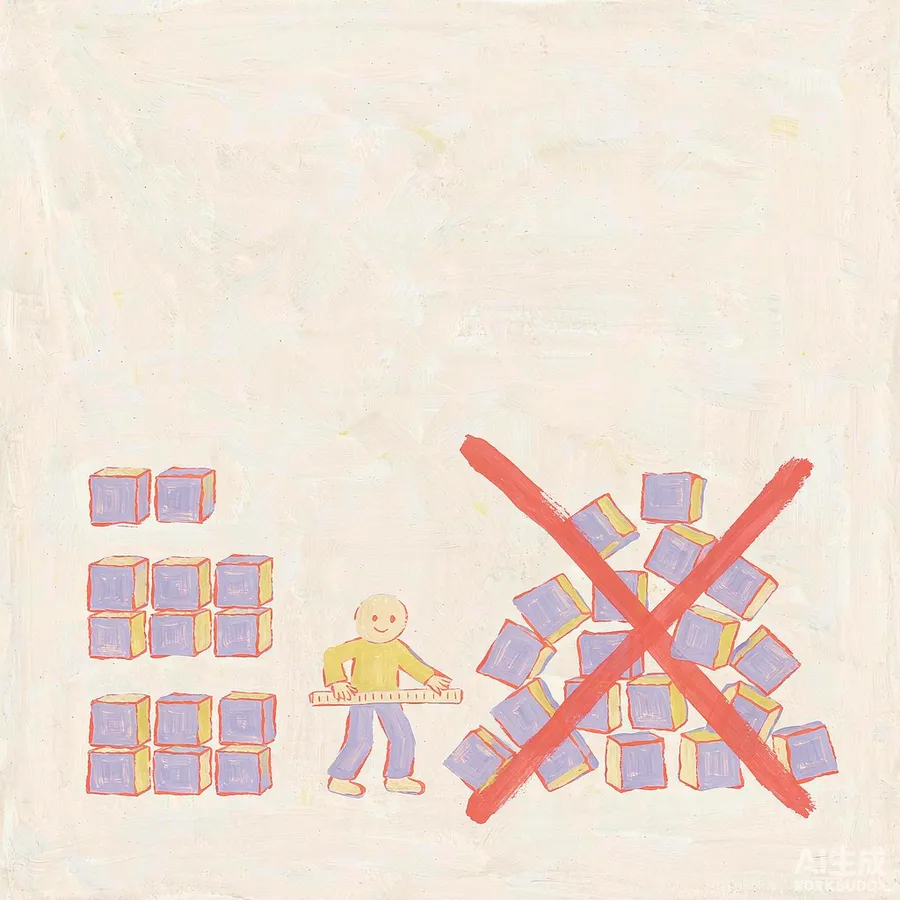
Time
60 min
Group
4-12
Output
A short list of minimum specifications
Move
Decide
Run sheet
How to run it
4 steps · 60 min
- 01
List all the rules people assume
- 02
Separate must-never from nice-to-have
- 03
Keep only the must-never
- 04
Test whether the minimum still works
Say this
Lines you can read out as they are — no improvising under pressure.
“What is the minimum that has to be true for this to work?”
“If we had to cut the list in half, what survives?”
“What are we explicitly deciding not to do?”
Set up
Before they walk in
- □The purpose statement visible to everyone
- □A wall split into must, could and will not
- □A hard limit of seven musts
What to watch for
Signals and traps
It is working when
- the must list shrinks as the group argues
It usually fails when
- everything is declared essential
- the list is never used again after the session
If it stalls, or the room is the wrong size
Variations
Each person writes three musts, then merge
Test the list against a past project
Revisit it at the next planning meeting
Background
Where it comes from
From Liberating Structures, built on the observation that specifications expand until they consume all available capacity. Naming the minimum explicitly frees the rest of the space for experimentation.
Cautions
When it does more harm than good
- Minimum is not the same as easy — resist making it aspirational
- More than seven items is a wish list, not a specification
- The team has to be able to hold each other to it afterwards
When to use
Reach for it when…
Rules have accumulated
Compliance is stifling initiative
Source
Lipmanowicz, H., & McCandless, K. (2013). The Surprising Power of Liberating Structures.
Source phase: My methods (Kumar). Steps and the run sheet are written for this library, not quoted from the source.