Open Space Technology
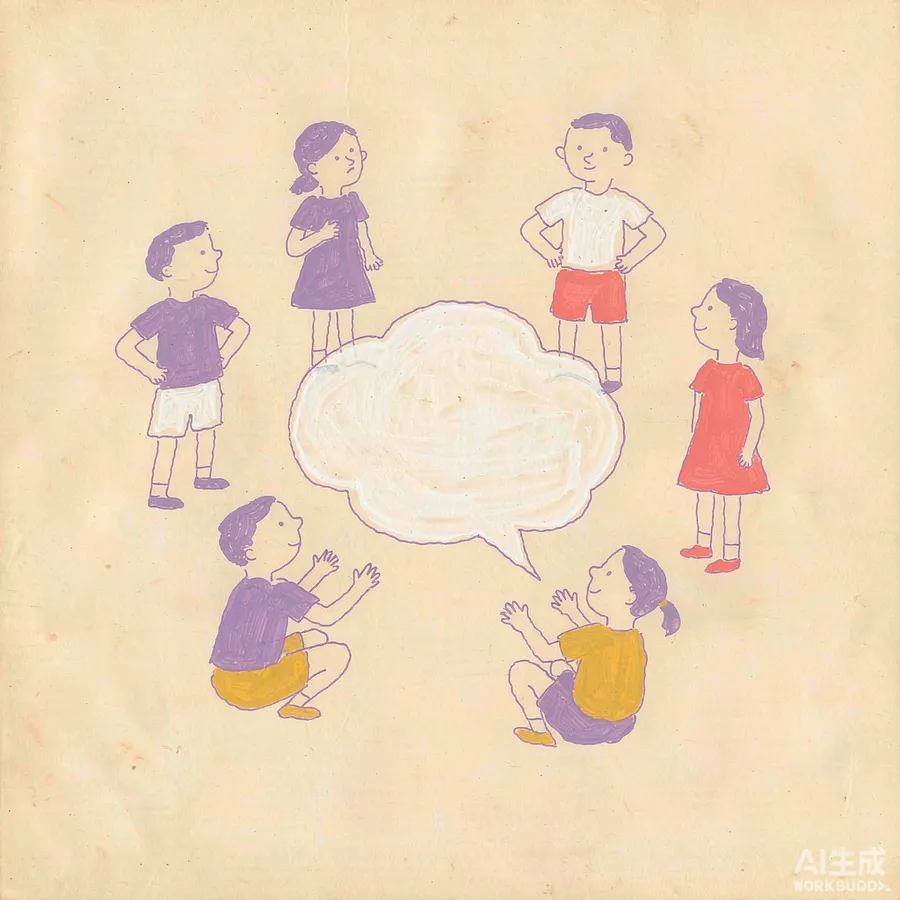
Let a large group self-organise its agenda around one theme.
Participants set the agenda, convene their own sessions and write up what happened. The facilitator holds the frame and almost nothing else.
Time
half day or more
Group
20-200
Output
Session notes and commitments
Move
Decide
Run sheet
How to run it
4 steps · half day or more
- 01
State the theme
- 02
Participants propose the topics
- 03
Convene the sessions
- 04
Capture the outputs and converge
Say this
Lines you can read out as they are — no improvising under pressure.
“What is the question you came here to discuss?”
“Who else needs to be in that conversation?”
“What will you do on Monday?”
Set up
Before they walk in
- □A theme phrased as a real question the room can act on
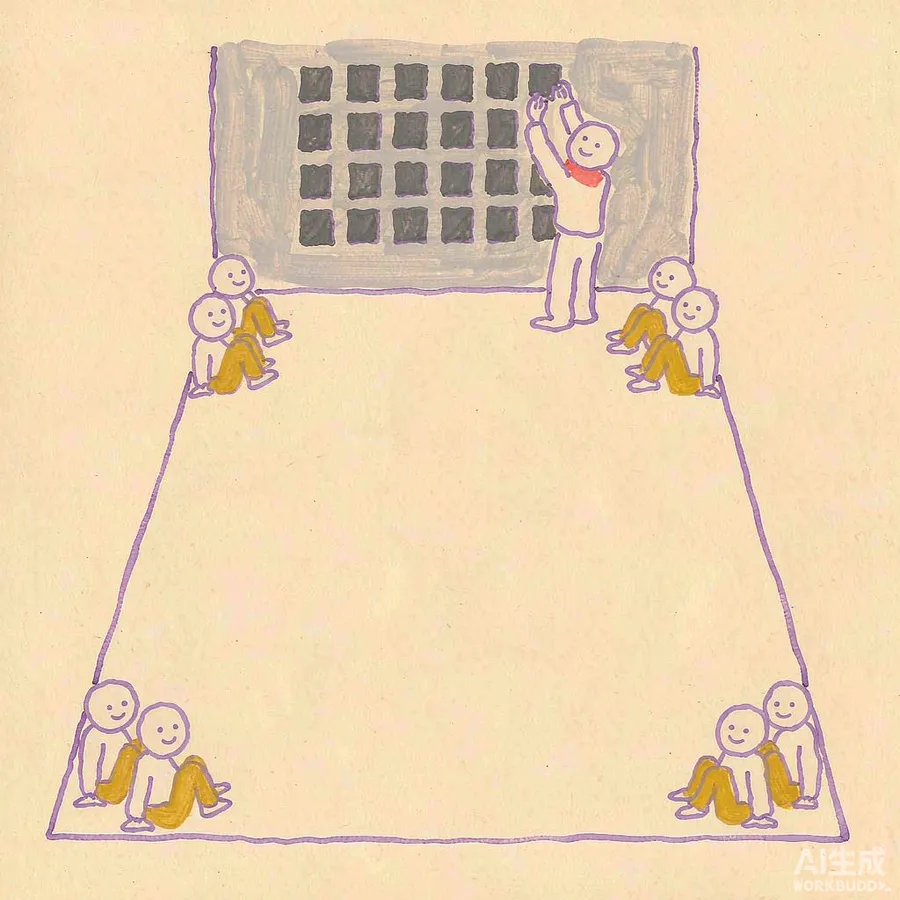
- □Breakout space and a wall for session times
- □A convergence slot booked in advance
What to watch for
Signals and traps
It is working when
- sessions appear that nobody planned and people attend them
It usually fails when
- the theme is so broad that every session is the same
- no record and no convergence
If it stalls, or the room is the wrong size
Variations
One afternoon instead of two days
Online with breakout rooms and a shared board
Add a marketplace of written proposals before convening
Background
Where it comes from
Developed by Harrison Owen in the 1980s after noticing that the useful conversations at a conference happened in the coffee breaks, later adopted in Kumar's 101 Design Methods. Its one law — the law of two feet — makes leaving a session a contribution rather than an insult.
Cautions
When it does more harm than good
- Do not run it when the decision has already been taken
- A theme that is too vague produces sessions about everything
- You need a real convergence step at the end or the energy evaporates
When to use
Reach for it when…
Many stakeholders are involved
The topic is complex and contested
Source
Kumar, V. (2012). 101 Design Methods: A Structured Approach for Driving Innovation in Your Organization. John Wiley & Sons.
Source phase: Exploration (Kumar). Steps and the run sheet are written for this library, not quoted from the source.
Pairs well with