Interest Group Discussions
Convene people with a shared stake to surface perspectives and tensions.
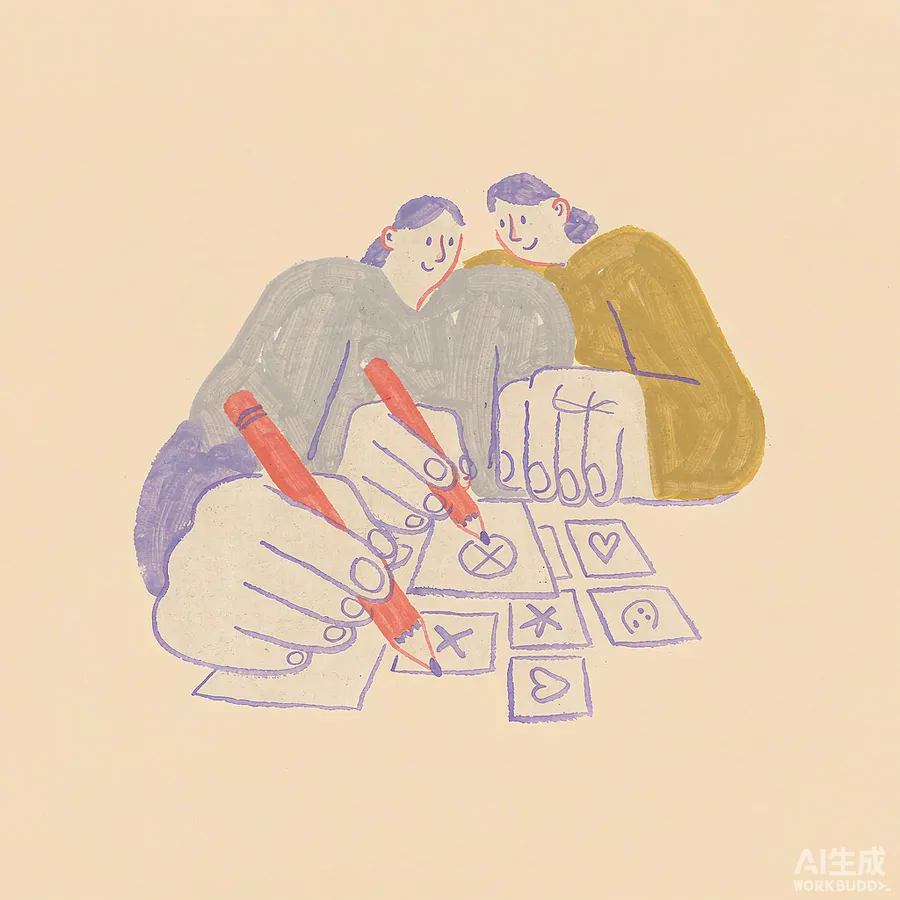
Convene people who share a stake in the topic and let them argue in front of you. The output records where their interests align and where they collide.

Time
90 min
Group
6-12
Output
Stakeholder perspectives and tensions
Move
Understand
Run sheet
How to run it
4 steps · 90 min
- 01
Recruit a group with a real stake in the topic
- 02
Pose one open question
- 03
Capture tensions and shared desires
- 04
Summarise without smoothing over conflict
Say this
Lines you can read out as they are — no improvising under pressure.
“What is true about this situation that outsiders usually get wrong?”
“Where do the interests in this room actually differ?”
“What would each of you lose if this changed?”
Set up
Before they walk in
- □Six to twelve people with a real stake, recruited by role rather than seniority
- □One open question, sent to them in advance
- □A scribe who captures tension rather than consensus
What to watch for
Signals and traps
It is working when
- two participants disagree and both stay in the room
It usually fails when
- the most senior person answers first and sets the frame
- the summary reads as agreement when the group was divided
If it stalls, or the room is the wrong size
Variations
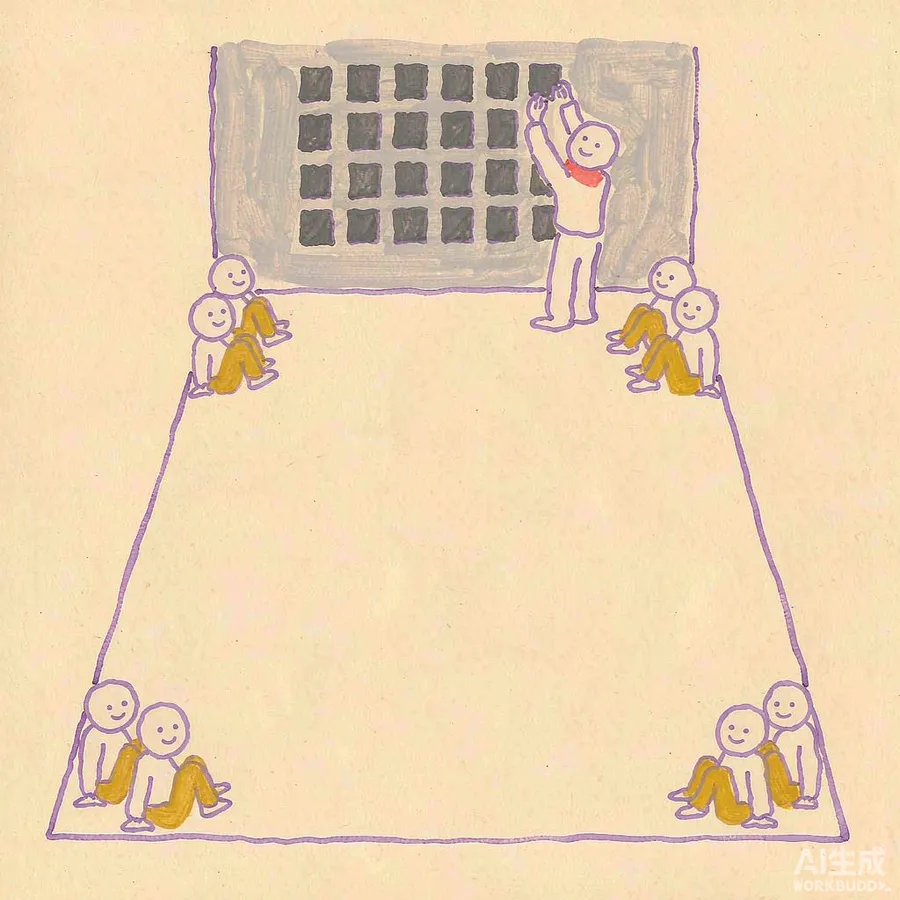
Run two groups separately and compare the accounts
Have participants interview each other in pairs before the plenary
Leave the room and let them talk without you for ten minutes
Background
Where it comes from
From Kumar's 101 Design Methods, borrowing focus-group practice for a different purpose: not testing a concept but hearing how a constituency describes its own situation. A group surfaces the social dimension of a need that one-to-one interviews keep private.
Cautions
When it does more harm than good
- One dominant voice will define the group's view unless the turn-taking is structured
- Do not use a group to explore something intimate or shameful, because people will perform
- The conflicts are the finding, so resist the urge to summarise them away
When to use
Reach for it when…
You need multiple viewpoints quickly
The context is political
Source
Kumar, V. (2012). 101 Design Methods: A Structured Approach for Driving Innovation in Your Organization. John Wiley & Sons.
Source phase: Preparation (Kumar). Steps and the run sheet are written for this library, not quoted from the source.