Research Participant Map
Map who to involve in research and how you will reach them.
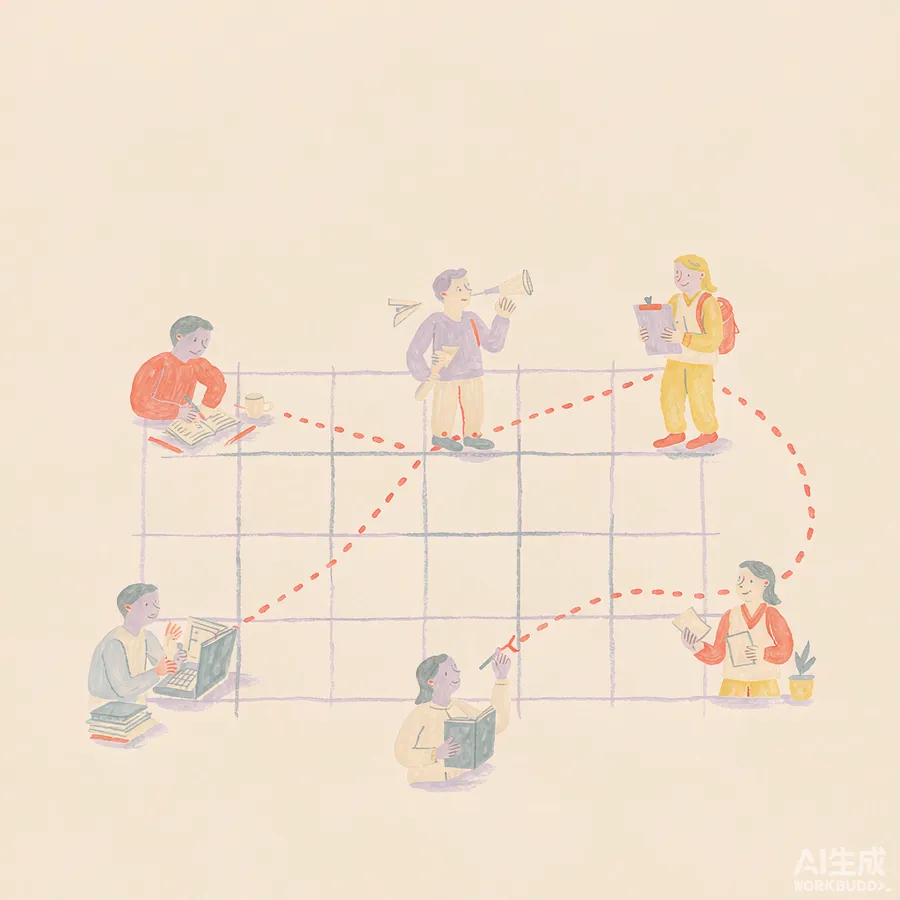
A map of who should be in the research, how much influence and interest they carry, and how you will reach them. It turns recruitment from a guess into a deliberate sampling decision.
Time
60-90 min
Group
2-4
Output
A prioritised participant plan
Move
Frame
Run sheet
How to run it
4 steps · 60-90 min
- 01
List the stakeholder groups
- 02
Plot influence against interest
- 03
Decide who to interview or observe
- 04
Note the access routes for each
Say this
Lines you can read out as they are — no improvising under pressure.
“Who is affected but never asked?”
“Who would tell us the thing we do not want to hear?”
“How would we actually reach this person, this month?”
Set up
Before they walk in
- □A blank influence and interest grid
- □Candidate participants from more than one source
- □Space to note the access route beside each name
What to watch for
Signals and traps
It is working when
- the map includes non-users and people who have left
It usually fails when
- the list contains only customers the business already knows
- names without access routes, so recruitment stalls
If it stalls, or the room is the wrong size
Variations
Add a column for who can introduce you
Map one extreme case per quadrant
Review the map after the first three interviews
Background
Where it comes from
From Kumar's 101 Design Methods, drawing on stakeholder mapping. Fieldwork drifts towards the easy-to-reach, and the map makes that drift visible before it biases every later finding.
Cautions
When it does more harm than good
- Always include people who do not use the product — they explain why not
- Access routes matter as much as names, so note who can introduce you
- Re-check the map after the first three interviews
When to use
Reach for it when…
You are planning fieldwork
Access is unclear
Source
Kumar, V. (2012). 101 Design Methods: A Structured Approach for Driving Innovation in Your Organization. John Wiley & Sons.
Source phase: Preparation (Kumar). Steps and the run sheet are written for this library, not quoted from the source.