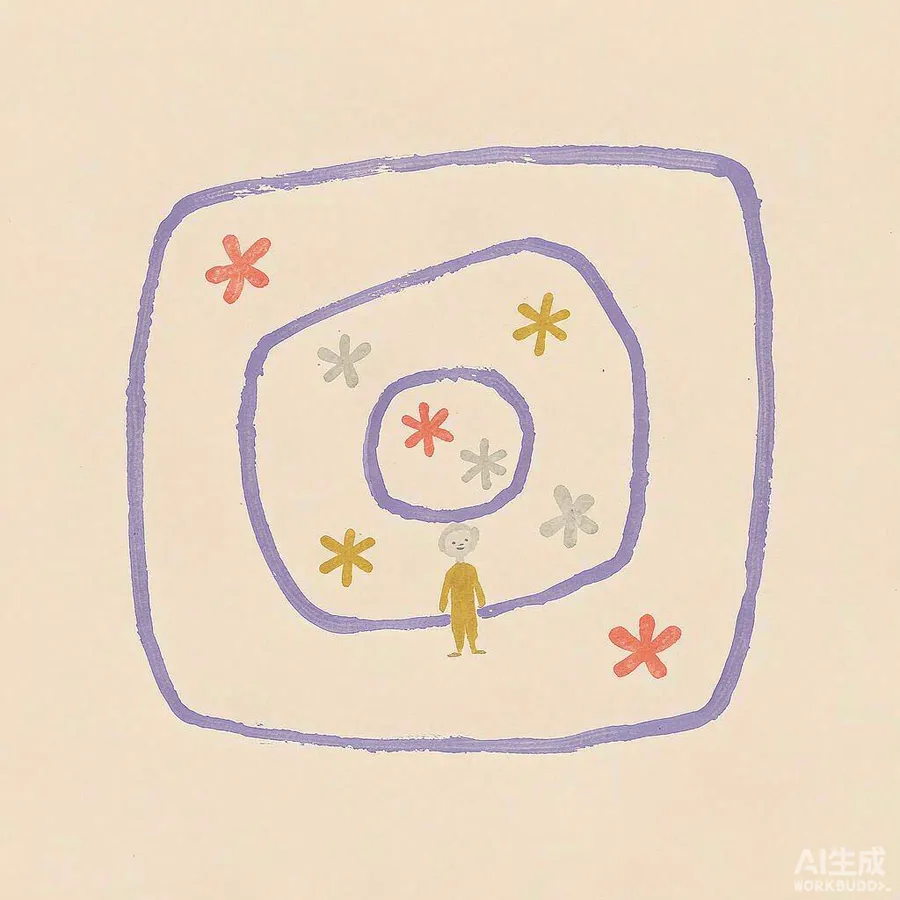
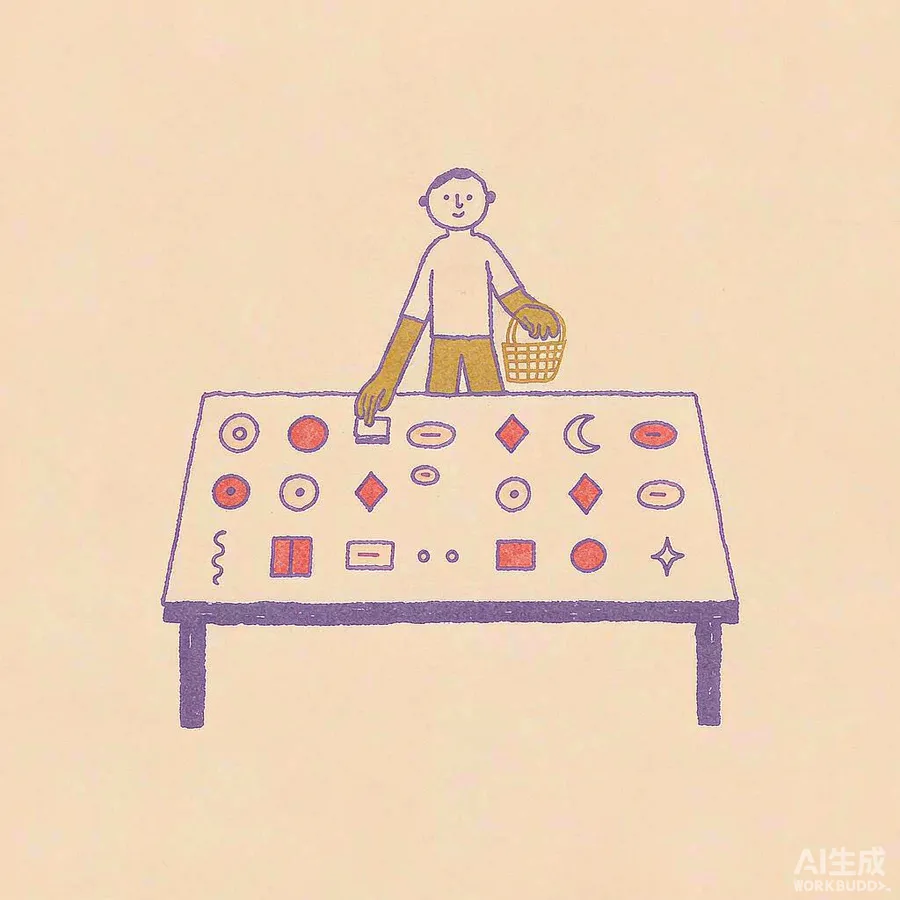
Ecocycle Planning
Map a portfolio across birth maturity death and renewal.
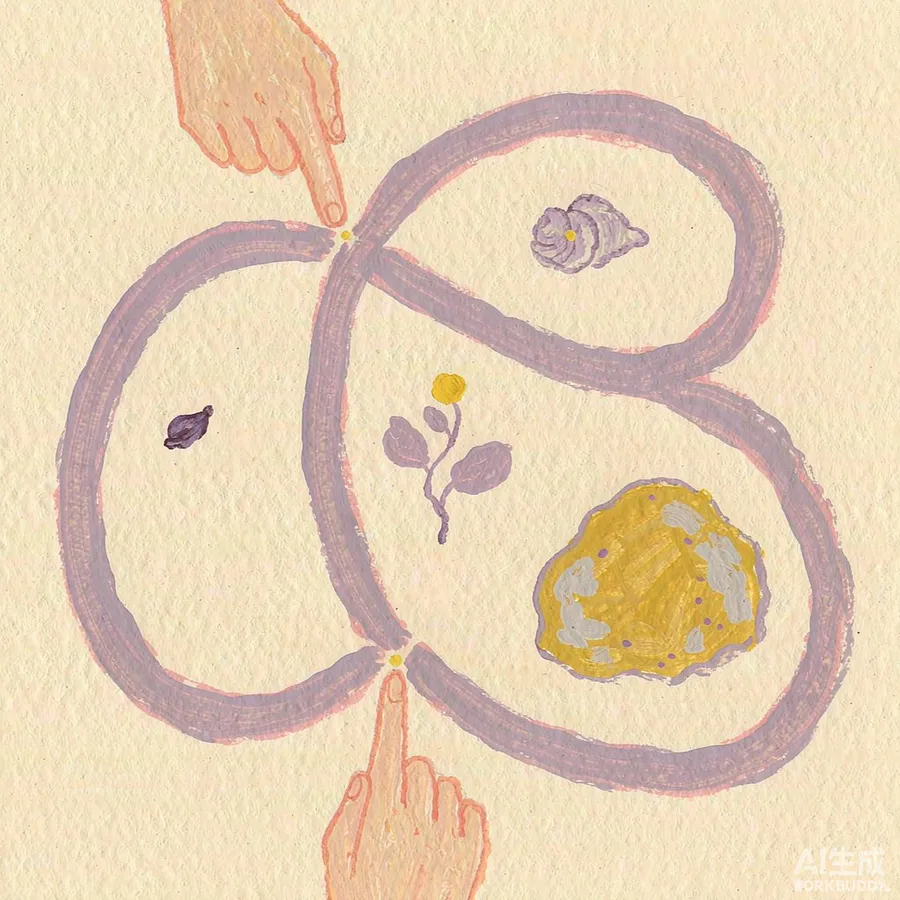
Activities placed on a cycle of birth, growth, maturity and renewal, so it becomes visible which ones are stuck and which are starving.
Time
90 min
Group
4-12
Output
An ecocycle map with decisions
Move
Synthesize
Run sheet
How to run it
4 steps · 90 min
- 01
List the activities or offerings
- 02
Place each on the ecocycle
- 03
Identify the stuck and the starving
- 04
Decide what to release and what to renew
Say this
Lines you can read out as they are — no improvising under pressure.
“What are we keeping alive that should be released?”
“What is stuck in the loop and cannot mature?”
“What is starving because nothing new is being tried?”
Set up
Before they walk in
- □All activities and offerings on cards
- □A large drawn cycle: birth, growth, maturity, creative destruction, renewal
- □Permission to propose stopping things
What to watch for
Signals and traps
It is working when
- someone names an activity everyone knew was finished
It usually fails when
- only additions discussed
- release announced without a plan for the people doing it
If it stalls, or the room is the wrong size
Variations
Do it for one portfolio only
Ask each owner to place their own activities
Decide one release and one renewal in the session
Background
Where it comes from
From Liberating Structures, drawing on Brenda Zimmerman's ecocycle work in complexity. The map's purpose is release: most portfolios are full of mature activities nobody has decided to end.
Cautions
When it does more harm than good
- Name what you will stop, not only what you will start
- Stuck activities need a decision, not more resources
- Expect grief when something mature is released
When to use
Reach for it when…
A portfolio is bloated
You need to kill or renew work
Source
Lipmanowicz, H., & McCandless, K. (2013). The Surprising Power of Liberating Structures.
Source phase: My methods (Kumar). Steps and the run sheet are written for this library, not quoted from the source.